La Prensa was founded in 1926 and for nearly a century has been a beacon of independent journalism in Nicaragua. Today, it exists only digitally—from exile. Its offices have been confiscated, its director imprisoned and later deported. Its journalists are scattered across Costa Rica, Spain, the United States, and Mexico. But they continue to write.
In May 2025, La Prensa received the prestigious UNESCO World Press Freedom Prize. The following day, the Nicaraguan government announced that it would withdraw from UNESCO. Not in protest of the prize itself—but because of who received it.
The government called the award a “diabolical expression of anti-patriotism” and accused La Prensa of serving foreign interests. UNESCO Director-General Audrey Azoulay warned that the decision would deprive the Nicaraguan people of vital cooperation in education and culture.
This is not just about UNESCO. It is about young people losing access to knowledge, culture, and a global community. It feels like the door to the world is being slammed shut.
~ A source who wishes to remain anonymous for security reasons
The withdrawal will take effect at the end of 2026. And it is far from the first time Nicaragua has turned its back on the international community.
A Pattern of Isolation
In February this year, Nicaragua also withdrew from the UN Food and Agriculture Organization (FAO). This followed shortly after the publication of a report showing that nearly one in five Nicaraguans lives with food insecurity—one of the highest rates in Central America.
The government dismissed the report as distorted and denied that it reflected reality. FAO maintained that the analysis is based on independent sources and international standards. With the withdrawal, Nicaragua loses access to technical assistance and food programmes—a severe blow to families already struggling to make ends meet.
On paper, the country’s economy shows growth, driven by gold mining and remittances from abroad. But as the FAO report points out, this growth is unevenly distributed. Poverty and hunger persist because resources fail to reach those who need them most.
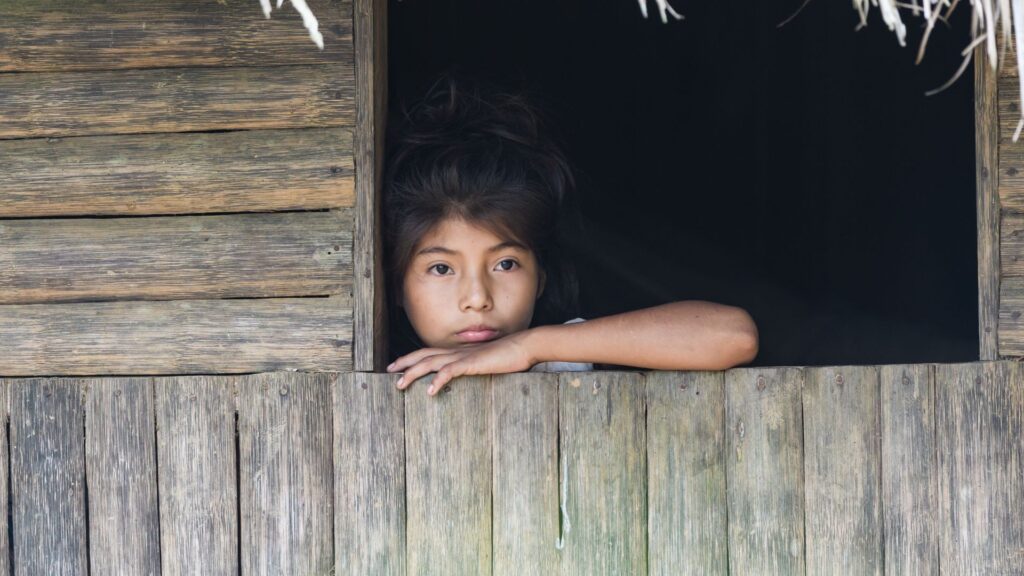
While a few grow rich from gold extraction, Indigenous Peoples pay the price through polluted rivers, destroyed forests, and ignored rights.
~ A source who wishes to remain anonymous for security reasons.
The isolation is not only felt internationally. It is also experienced within Nicaragua’s borders, where freedom of expression has been curtailed step by step.
Press Freedom in Exile
Since the mass protests of 2018—during which more than 300 people were killed, according to the UN—civil society in Nicaragua has been under constant pressure. Thousands of NGOs have been shut down, political opponents have been imprisoned or forced into exile, and press freedom has all but disappeared.
When press freedom and civil society are weakened, the last spaces where people can be heard and find support disappear. This makes the struggle for rights almost invisible.
~ Another source who wishes to remain anonymous for security reasons.
Today, almost the entire independent Nicaraguan press operates from abroad. According to Reporters Without Borders, more than 200 journalists have fled the country, and Nicaragua ranks 172 out of 180 countries on the World Press Freedom Index.
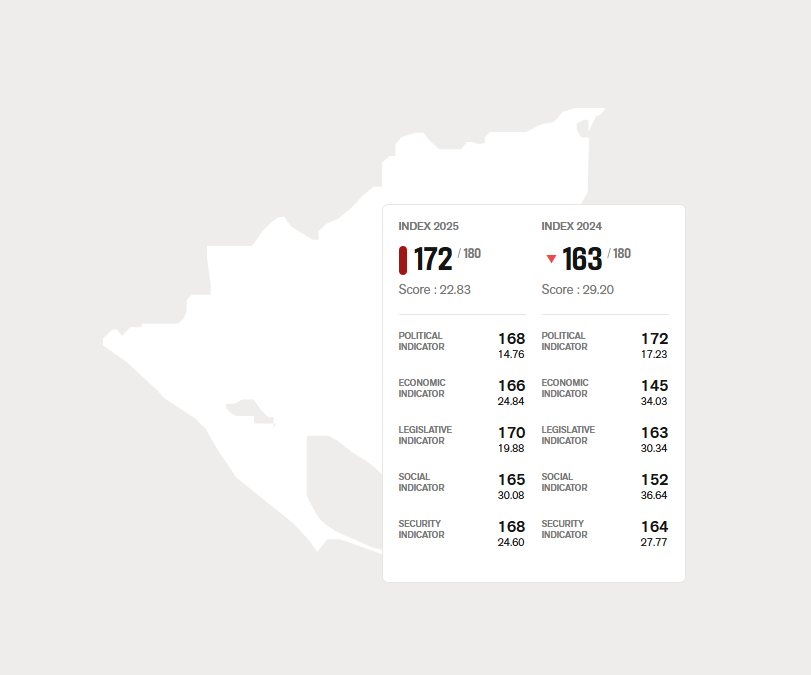
What is being shut down is not only organisations and media outlets. It is critical scrutiny, access to knowledge, and the possibility of international solidarity.
Nature Also Pays the Price
Withdrawals from UNESCO and FAO are not merely symbolic politics. When a country leaves forums where problems can be discussed and solutions developed, the consequences are tangible.
One of the most worrying examples is the loss of international support for areas such as the Bosawás Biosphere Reserve—the largest in Central America—which was designated a UNESCO Biosphere Reserve in 1997.
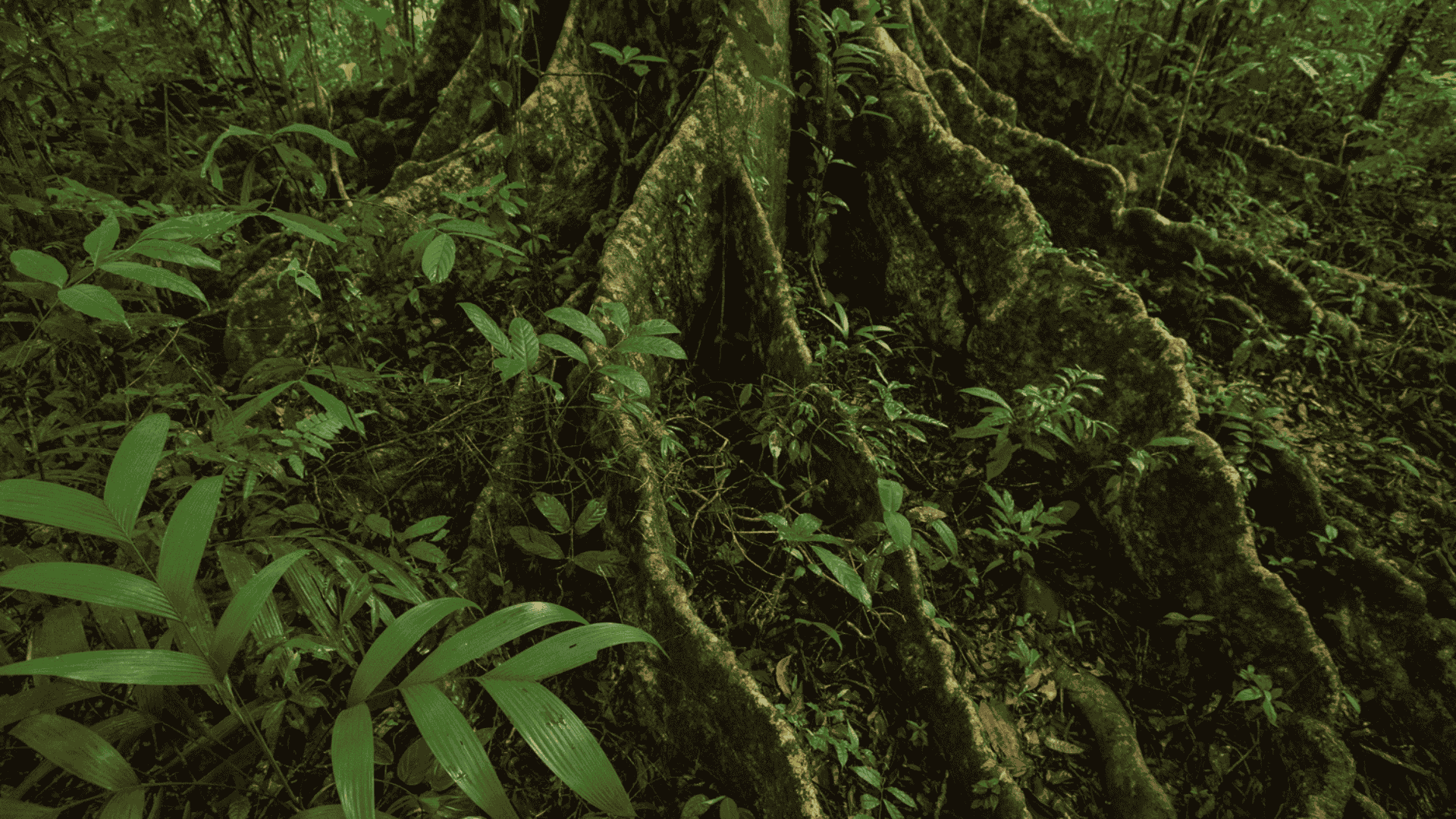
According to the latest report from Global Forest Watch, Nicaragua had the highest rate of primary rainforest loss in the world in 2024: 4.7%. Nearly 78% of this loss—equivalent to 74,000 hectares—occurred in Bosawás alone. In just one year.
Without international cooperation and monitoring, protected areas like Bosawás become even more vulnerable to deforestation and extractive activities that undermine both nature and the rights of those who live there.
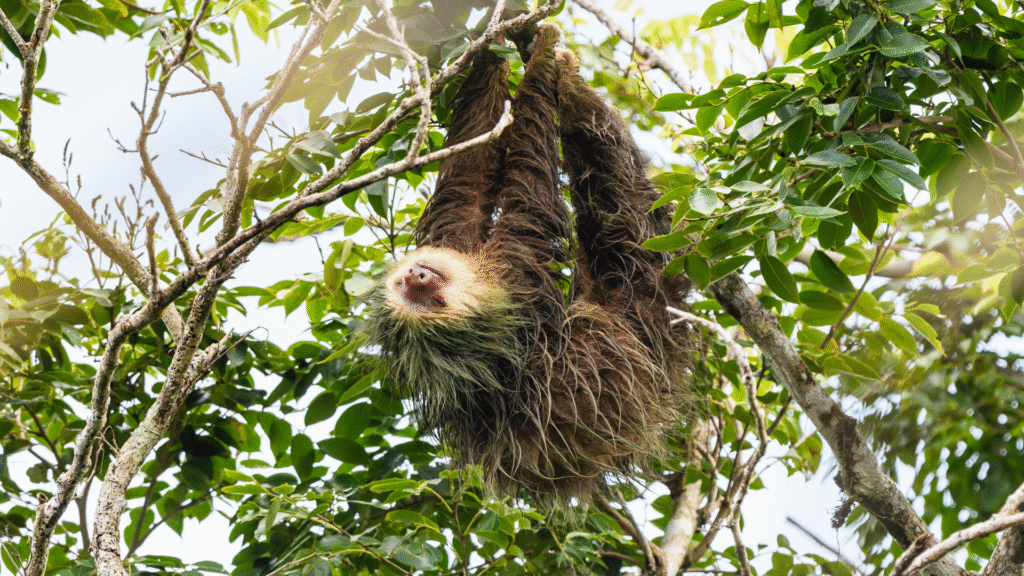
As resources are extracted to enrich a few, Indigenous Peoples and their forests pay the price. Mining, cattle ranching, and illegal logging expand unchecked. And with a silenced press, fewer voices remain to speak out.
What the government calls sovereignty is experienced by many as isolation. And perhaps even as a feeling of being forgotten.
Even as doors to dialogue close one by one, the story continues. It simply becomes harder to tell.
Do not forget Nicaragua.
Sources
- UNESCO Press Release
- Reporters Without Borders – World Press Freedom Index
- FAO, UN Food and Agriculture Organization
- OHCHR 2019, UN Office of the High Commissioner for Human Rights
- Global Forest Watch Report 2024
Skoven nærer liv, håb og en bæredygtig fremtid for alle
Men skoven er truet. Sammen med oprindelige folk og lokalsamfund kæmper Verdens Skove for at beskytte skoven, så vi kan give fremtidige generationer en verden af sunde økosystemer.
Seneste artikler
Vote for Biodiversity Law Denmark
Record-Breaking Forest Fires Ravaged Bolivia in 2024