

Today marks the start of the 30th UN climate summit. It takes place ten years after the Paris Agreement and halfway through what is often referred to as the decisive decade for climate action. It is also being held in Brazil—the country where global climate cooperation first took shape at the Earth Summit in 1992.
But what can we expect from this year’s COP?
Gateway to the Amazon
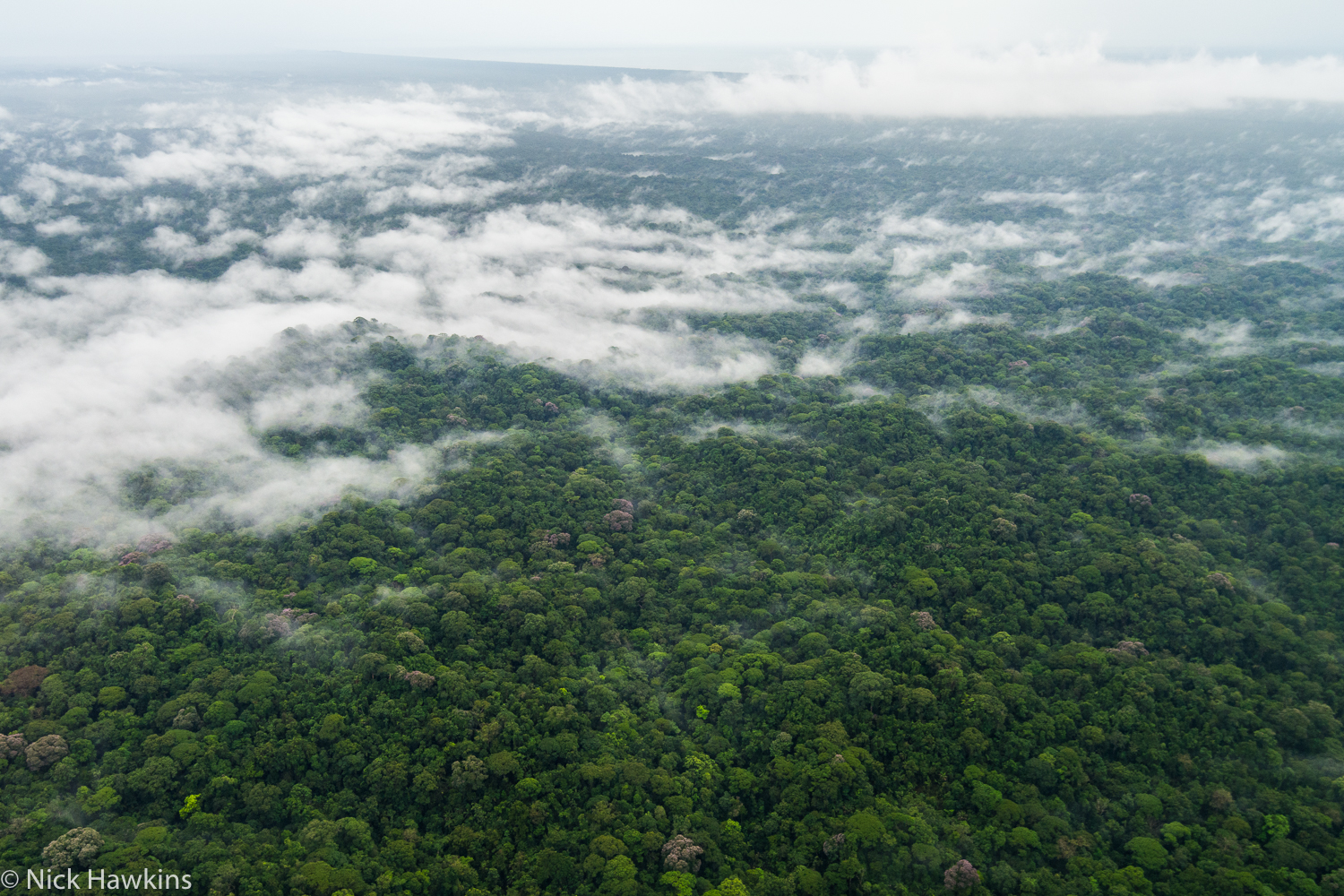
One aspect that is particularly significant for Forests of the World at this year’s climate summit is its location in Belém—a city often referred to as the “gateway to the Amazon.” The choice of location is no coincidence. COP30 has been dubbed the “Forest COP,” reflecting strong expectations that forests, nature, and biodiversity will play a central role—both in the formal negotiations and in the many parallel events taking place.
From Pledges to Action
The Brazilian presidency has stated its ambition to make COP30 a transformative summit. This is no accident. Across civil society, politics, and the private sector, there is a shared expectation that COP30 must deliver concrete plans for implementing and realising the commitments made at previous summits. It is time to move from words and agreements to action and tangible measures in the real world.
Four Pillars for Success
Beyond the traditional climate negotiations, Brazil has defined four pillars for success: a dedicated leaders’ summit, an action agenda, a global mobilisation pillar, and a global mobilisation concept. The action agenda will focus on six specific themes and include 30 targets. These targets are directly based on the commitments adopted during the first Global Stocktake of the Paris Agreement at COP28.
By identifying solutions across the six themes, Brazil aims to create a stronger link between voluntary action and binding commitments.
This is particularly positive news for forest-related negotiations. Theme five focuses explicitly on “investing in halting and reversing deforestation and forest degradation,” while theme six addresses “efforts to conserve, protect, and restore nature and ecosystems with solutions for climate, biodiversity, and desertification.” The primary aim is to promote broad-based measures and mobilise investments that together can bridge the current financing gap for forest conservation and advance nature-based solutions. In doing so, the Brazilian presidency takes a step toward the goal of halting and reversing forest loss by 2030, as endorsed in Glasgow at COP26.
Expectations for the Negotiations
The fourth pillar for success—the global mobilisation concept—is called Global Mutirão and is inspired by Brazil’s Indigenous Peoples. Brazil describes this as an experiment designed to spark a global chain reaction that brings humanity together in the pursuit of a healthy planet.
Nevertheless, all eyes remain on the binding decisions emerging from the negotiations. There is a clear expectation that this is where the most significant outcomes will materialise—both in terms of new commitments and in ensuring that countries deliver on agreements already made.
Read our articles

Vote for Biodiversity Law Denmark

Press Freedom Lives On. Just Not in Nicaragua
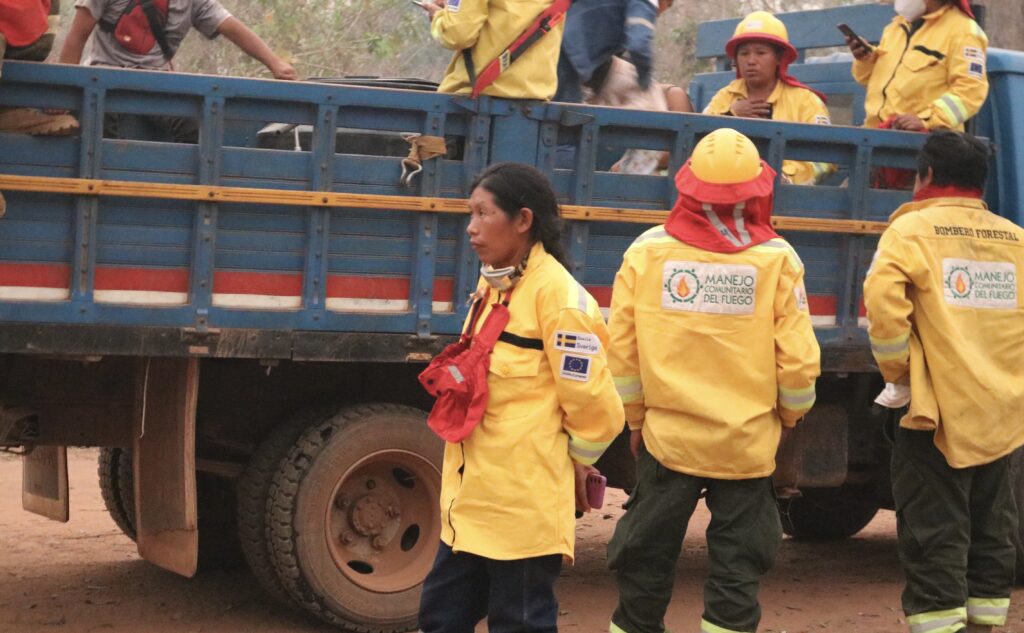
Record-Breaking Forest Fires Ravaged Bolivia in 2024

What Happens to Wildlife When Fire Reaches the Rainforest?