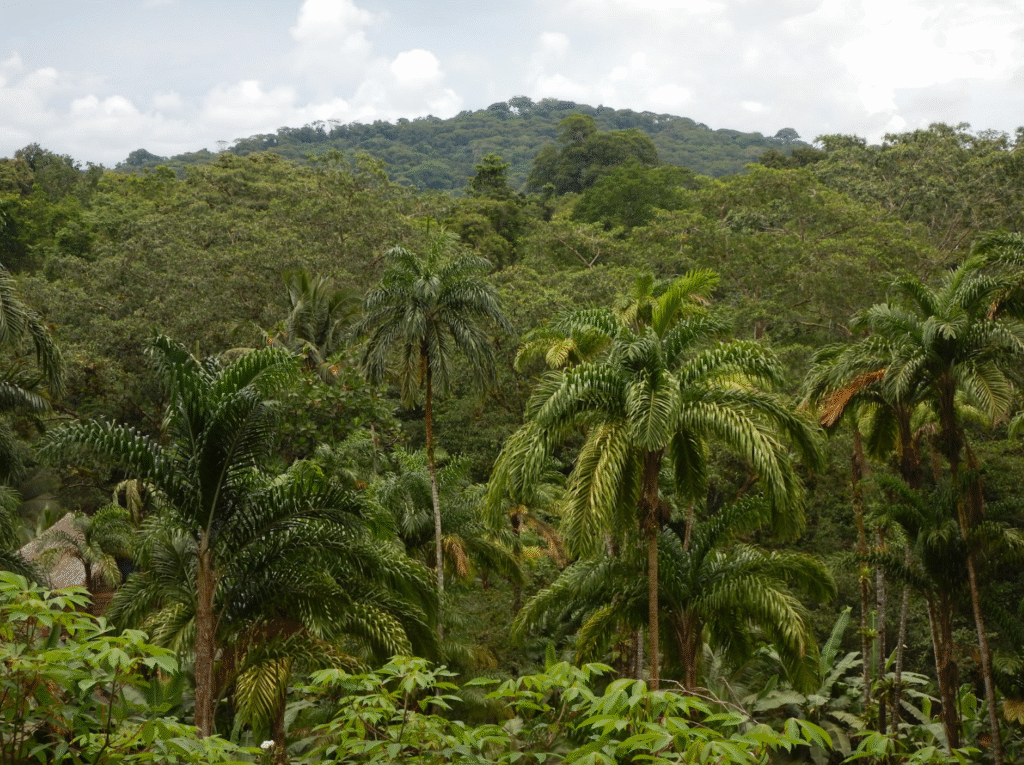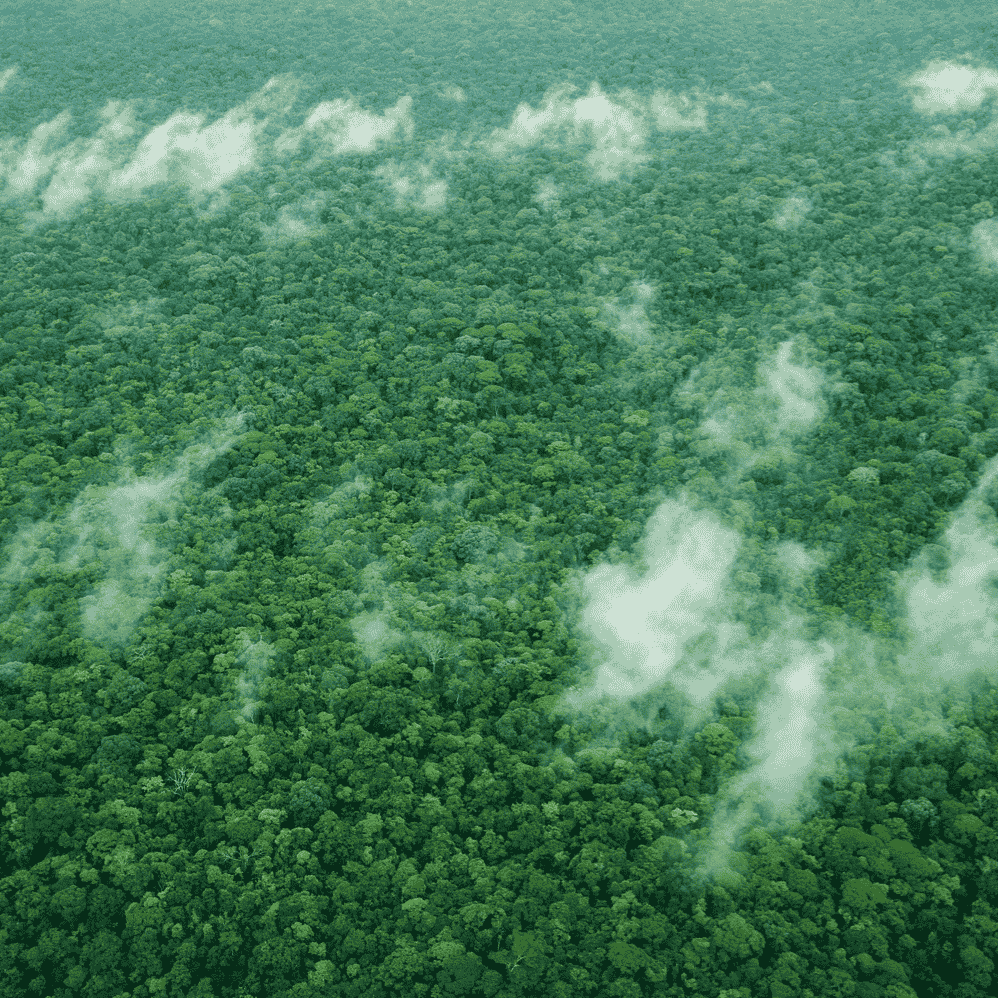
Forests of the World at COP31
Forest protection begins with people.
Forests of the World is attending the UN Climate Conference COP31 to place forests, biodiversity, and the rights of Indigenous peoples on the global climate agenda.
Forests and healthy, resilient ecosystems are vital for mitigating climate change and adapting to its impacts. At the same time, protecting the rights of Indigenous peoples is a prerequisite for climate justice and a thriving planet.
Our focus at COP31
At COP31, Forests of the World is following four key issues:
From Pledges to Action
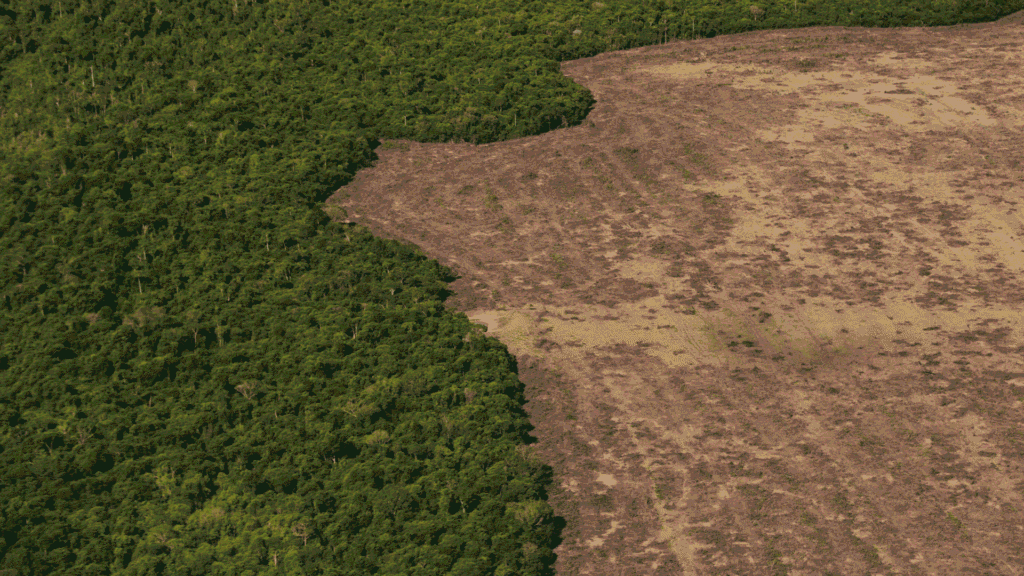
World leaders have committed to halting and reversing deforestation by 2030. These promises must now be turned into concrete action. We are closely monitoring progress on the global roadmap for forest protection (Forest Roadmap).
Indigenous Peoples’ Rights at the centre
Indigenous peoples’ territorial rights, self-determination, and meaningful participation in climate decision-making must be recognised and protected. There can be no climate justice without respect for their rights.
Climate Finance That Reaches Forests and People
There is an urgent need for more predictable and accessible funding for forest conservation. Most critically, this includes direct financing for the Indigenous Peoples and local communities who protect and steward the forests.
Accountability for Global Deforestation
Deforestation is inextricably linked to global agricultural production, consumption, and trade. We work to ensure that countries like Denmark take responsibility for their footprint on the world’s forests.
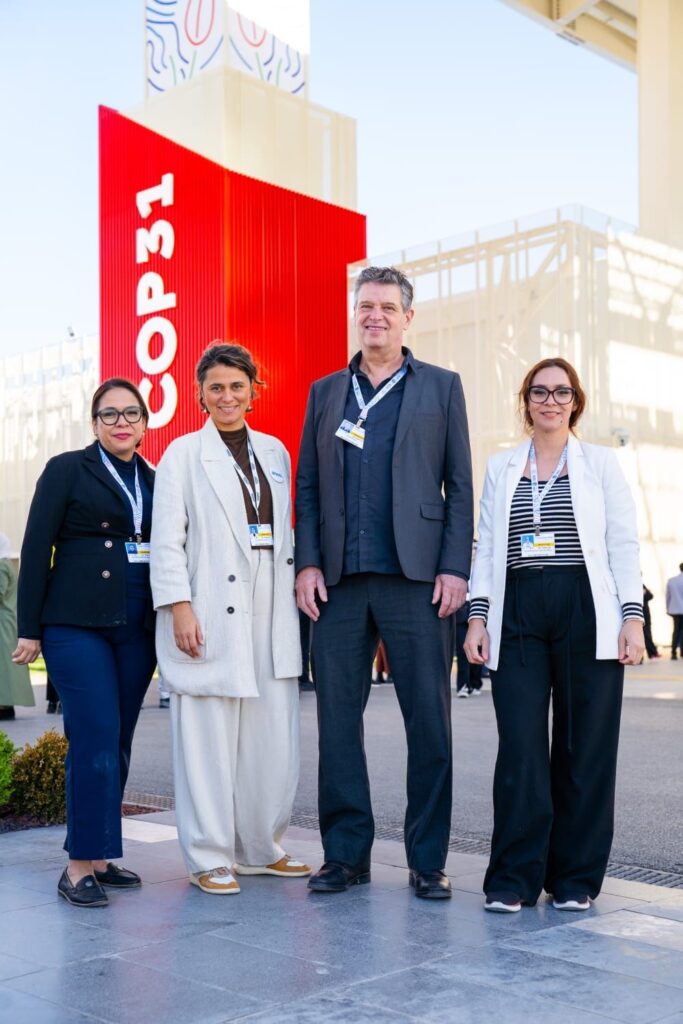
Who is attending from Forests of the World?
- Jakob Kronik, Co-Secretary General & Global Director
- Ana Maria Tablada, Director of Central America HUB
- Luiza Rabelo, Program and advocacy advisor
- Betsabé Figueroa, Communications officer
Press contact

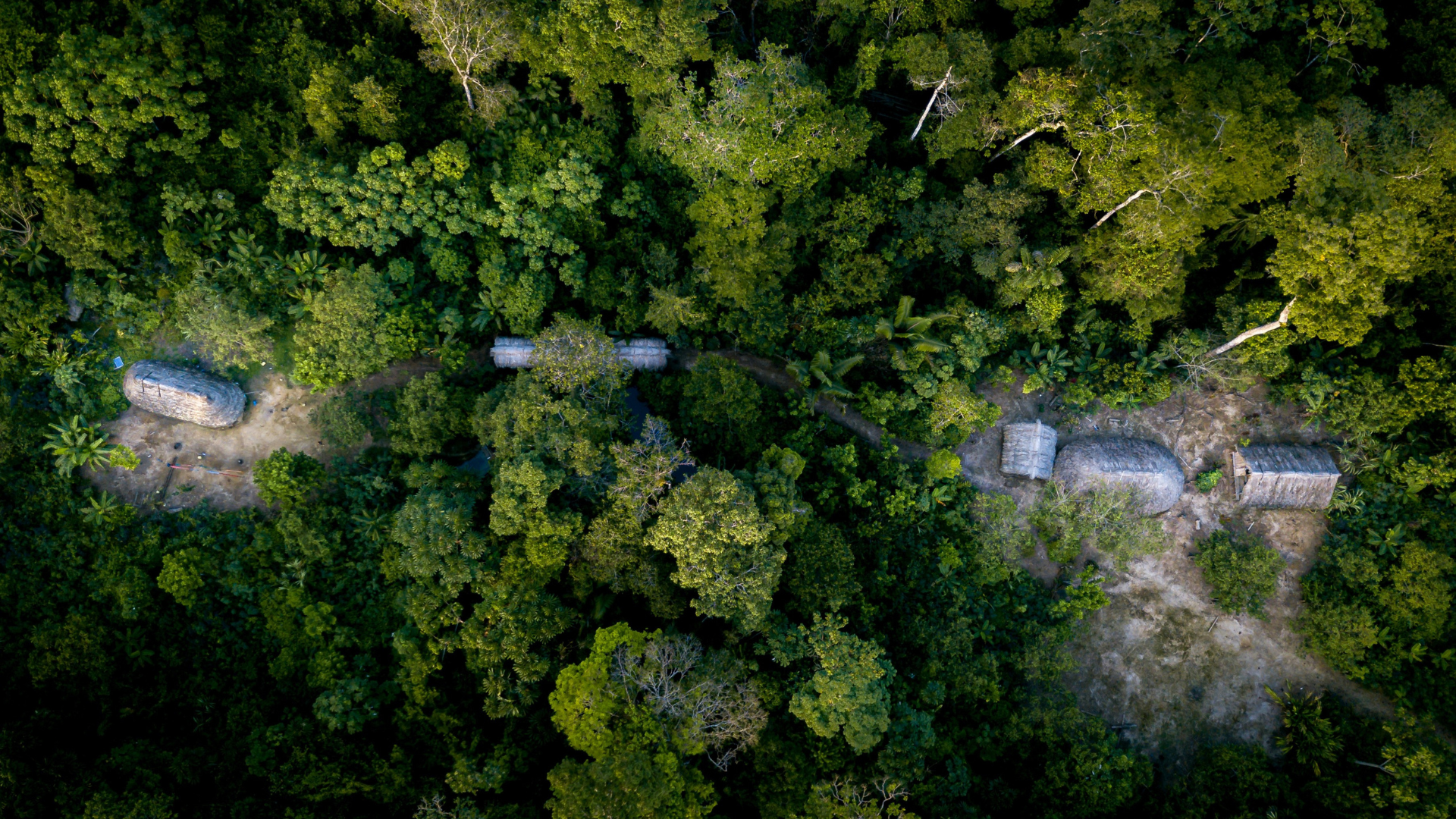
COP30 in Belém has concluded, but our work for the forests continues.
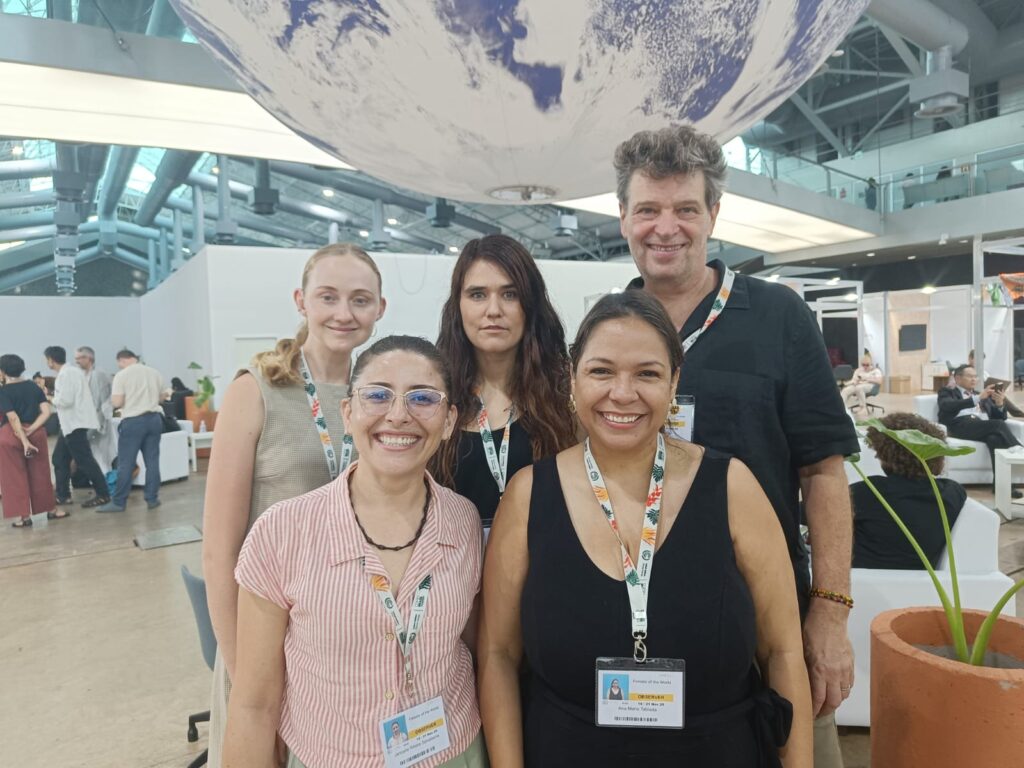
Forests of the World took part in COP30 with the aim to bring the voices of forests and Indigenous Peoples into the negotiations. Alongside Indigenous leaders, civil society, and decision-makers from across the world, we worked to ensure that commitments to halt deforestation by 2030 translate from words into action grounded in rights, biodiversity, and justice.
Below, we have gathered key materials from this year’s summit, including our open letter to the Danish Government on Denmark’s soy footprint, our analysis of carbon credits, media coverage, and more.
Who represented Forests of the World?
- Jakob Kronik, Co-Secretary General & Global Director
- Pil Christensen, Policy Adviser
- Sofie Banke Poulsen, Programme Officer
- Ana Maria Tablada, Representative, Central America Hub
- Jancarla Ribera Salvatierra, Representative, South America Hub
Our voice at COP30
Here you will find our messages and evidence base from COP30: from our open letter to the Danish Government to our official position, analyses, and articles.
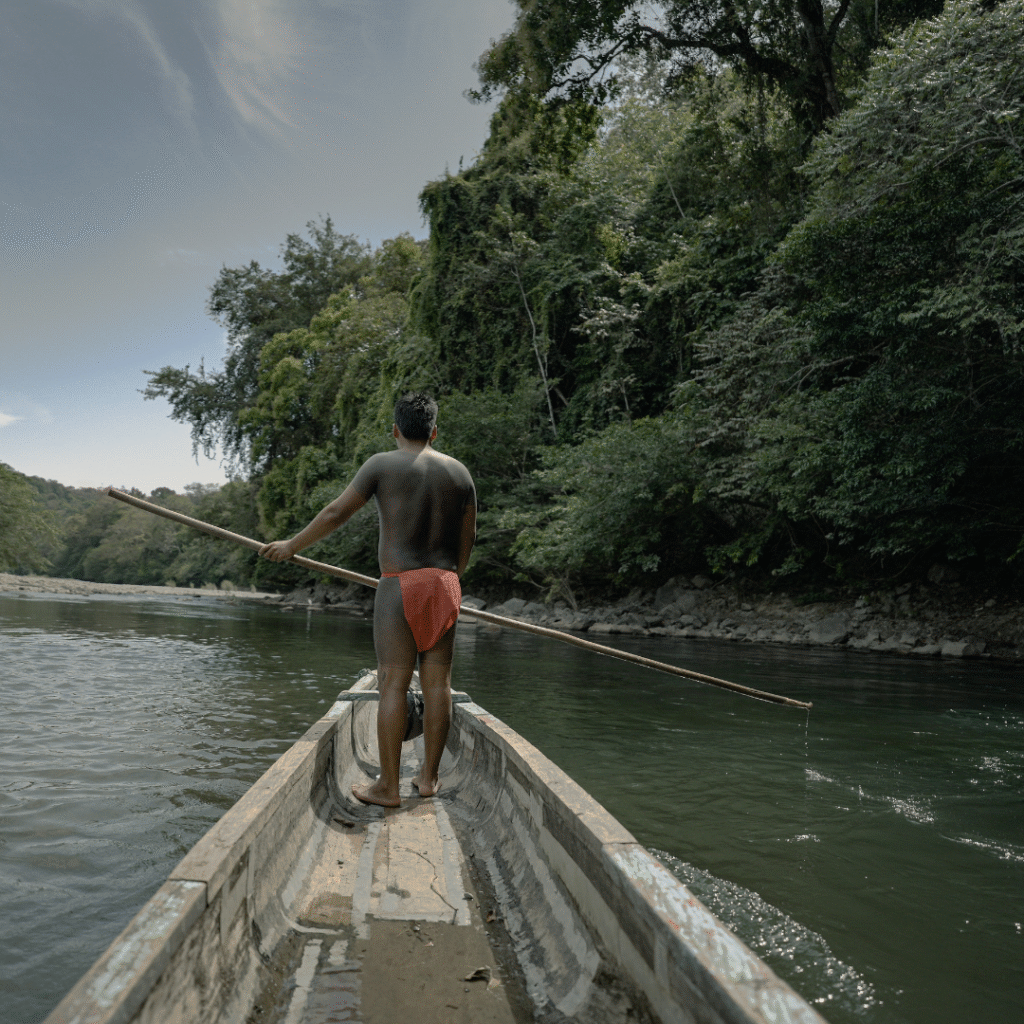
TFFF: An ambitious Forest Fond but Improvements are needed
One of the most prominent proposals in Belém was the Tropical Forest Forever Facility (TFFF). It is an ambitious new forest fund, but one where the definition of ‘forest’ is broad enough to include degraded and damaged areas, and where Indigenous Peoples do not yet have a seat at the table when decisions are made.
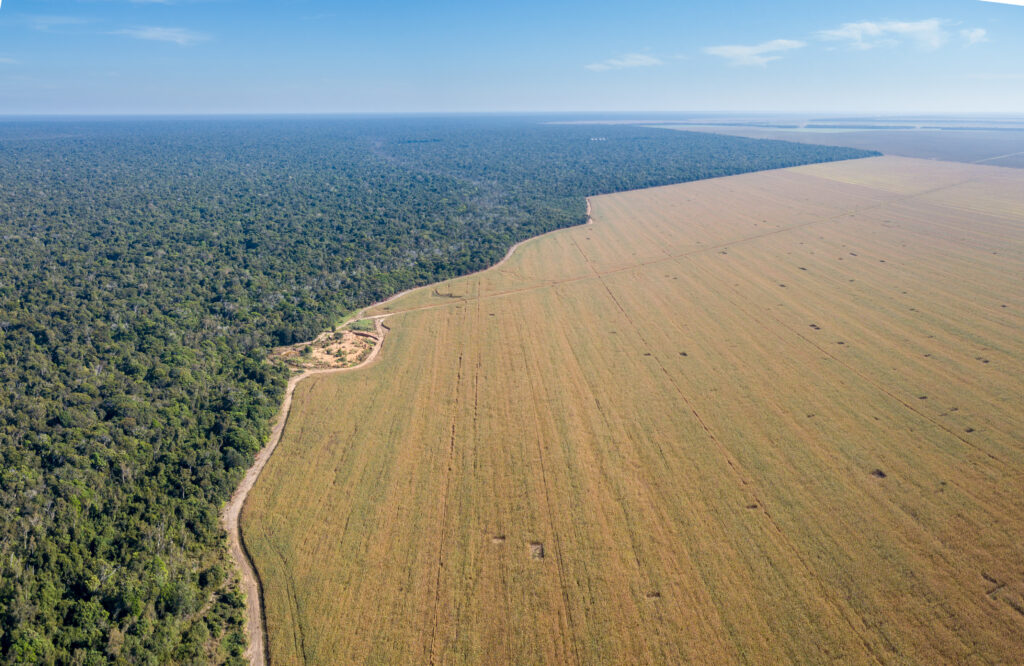
When Danish Pork Production Destroys Brazilian Forests
Together with Brazilian environmental organisations and Animal Protection Denmark, Forest of the World delivered an open letter to the Danish ministers.
The message was clear: Denmark cannot call itself a green frontrunner while our soy footprint continues to destroy forests, nature, and livelihoods.
Media Coverage in Danish Media
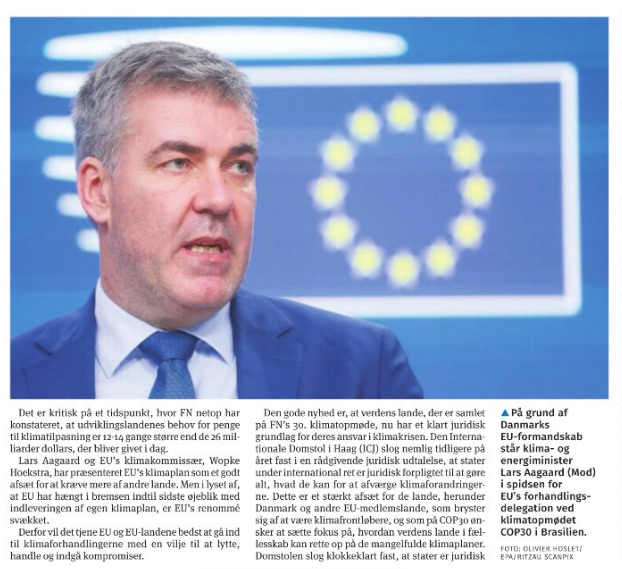
19 organisationer: Efter dom i Haag bør Danmark og EU handle på COP30
Stater er juridisk forpligtet til at gøre alt, hvad der står i deres magt for at beskytte mennesker og natur mod klimaforandringer.
Den Internationale Domstols udtalelse bør være fundamentet for forhandlinger på COP30 og for EU’s tilgang.
Sammen med en række civilsamfundsorganisationer er Verdens Skove medunderskriver på debatindlæg i Kristeligt Dagblad
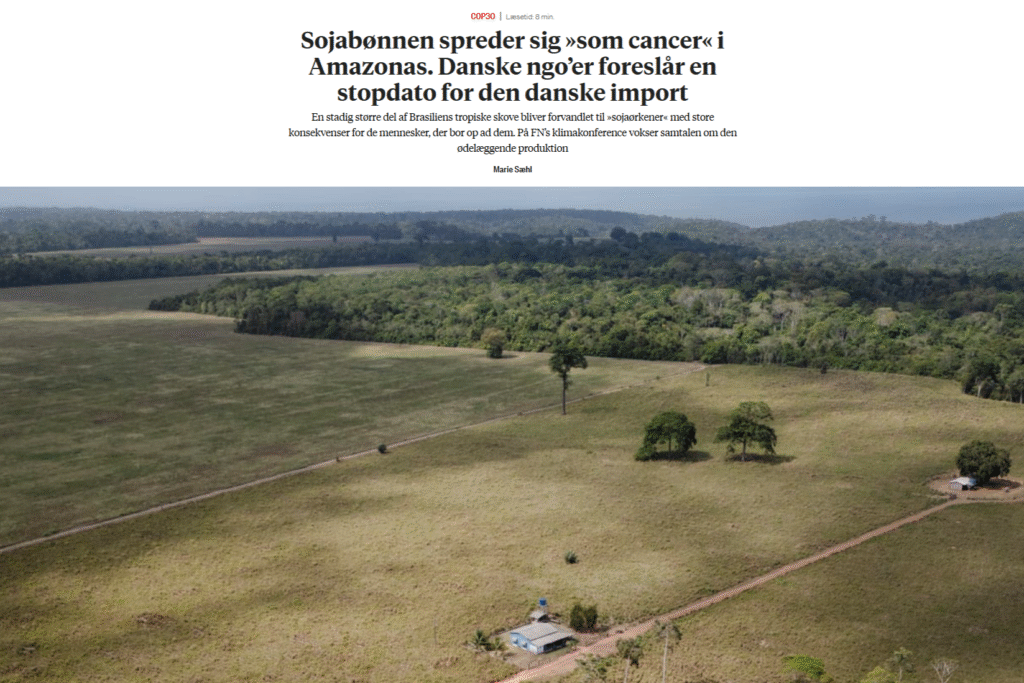
Sojabønnen spreder sig »som cancer« i Amazonas. Danske ngo’er foreslår stopdato for dansk import
En stadig større del af Brasiliens tropiske skove bliver forvandlet til »sojaørkener« med store konsekvenser for de mennesker, der bor op ad dem. På FN’s klimakonference vokser samtalen om den ødelæggende produktion.
DR, 22. nov 2025: Klimaaftale på COP30 kritiseres for at være for uambitiøs på alle fronter>>
Globalnyt, 18. nov 2025: Hvem skal betale? Dét spørgsmål blokerer – igen – for fremdrift på FN’s klimatopmøde>>
Politiken, 14 nov 2025: Lula troede, at han havde en genial løsning til at passe på regnskoven. Nu bliver den kaldt en fiasko>>
DR, 13. NOV 2025: NU KAN VERDENS BEHOV FOR NY EL OPFYLDES AF SOL- OG VINDENERGI>>
DR, 12. NOV 2025: OPRINDELIGE FOLK STORMEDE COP30 I FRUSTRATION. DET VAR ELLERS NETOP DEM, TOPMØDET SKULLE GIVE EN STEMME>>
Information, 11. nov 2025: COP30 i gang i god ro og orden og med for små ambitioner>>
DR, 10. nov 2025: Efter 25 dage langs Amazonfloden er et særligt skib ankommet til klimatopmødet i Belém>>
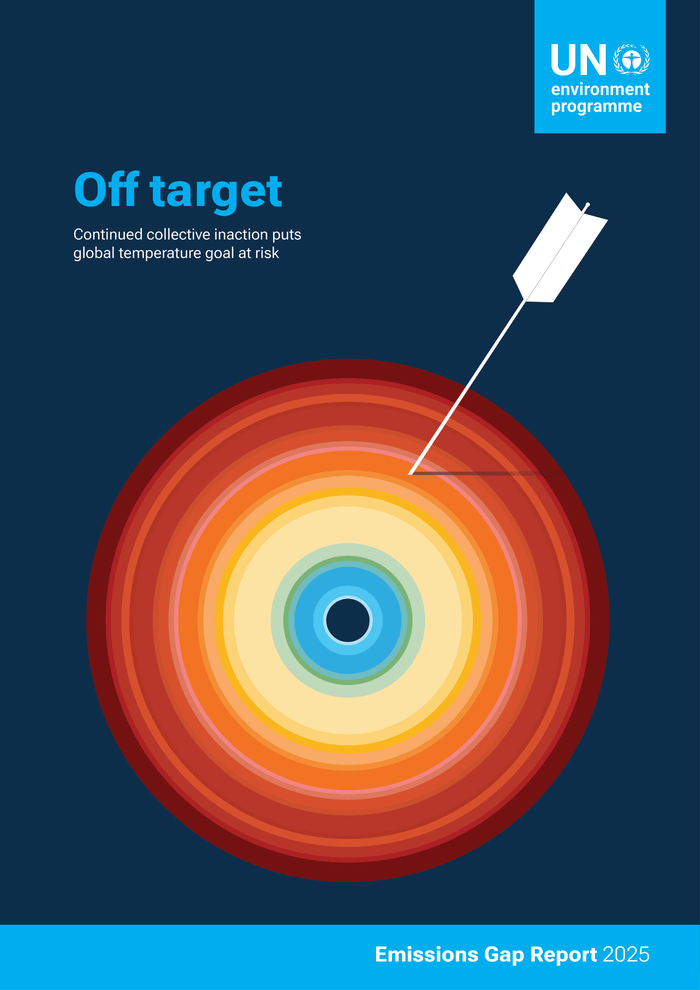
Emissions Gap Report 2025: Still Far from the Paris Goals
In this year’s Emissions Gap Report, UNEP warns that the world remains far off track to meet the targets of the Paris Agreement. Ten years after the accord was adopted, global greenhouse gas emissions continue to rise, and only one third of countries have submitted new climate targets (NDCs) for 2035.
Despite the sobering outlook, the report points to reasons for cautious optimism: projected warming has declined since Paris, and the cost of solar and wind energy has fallen dramatically. The solutions exist. What is missing is political will, global solidarity, and a financial system that supports a just and rapid green transition.
COP30 in Belém spans eleven intense days of negotiations — from the UN’s Blue Zone to the open-air debates of the Amazon under the People’s Summit.
Forests of the World participates in a range of sessions and panels on forests, biodiversity, and climate finance, both within the UN’s official negotiation zones and at civil society’s People’s Summit.
This is where we bring our knowledge, our voice, and our alliances to bear.