Protecting Forests. Empowering People. Delivering Lasting Change.
In 2025, Indigenous Peoples and Forest-dependent Communities stood at the forefront of forest conservation. Together, we strengthened rights, restored ecosystems, and advanced sustainable livelihoods across some of the world’s most vital forest landscapes.
Forests are the foundation of life on Earth. Yet they continue to disappear at an alarming pace.
In 2025, we worked alongside Indigenous Peoples and Forest-dependent Communities to address the root causes of deforestation by strengthening governance, securing rights, and supporting sustainable livelihoods.
Our work is grounded in a clear strategy: protecting forests by enabling those who know them best to lead. This report shows how our strategy is translated into action across Africa, Latin America, and Denmark.
Our 2025-impact at a Glance
Our work is rooted in long-term partnerships with Indigenous Peoples and Forest-dependent Communities. Together, we contribute to protecting forests, strengthening rights, and supporting local leadership.
2,217,578
hectares of forest under conservation
24
civil society organisations joined forces with Indigenous Peoples and Forest-dependent Communities.
18
forest landscapes supported through conservation, restoration, and community-led forest management.
10
countries where we work.
- East Africa: Ethiopia, DRC, Uganda
- Latin America: Bolivia, Brazil, Honduras, Panama, Peru, Nicaragua
- Denmark
+65,000
people engaged in forest action including 6,382 members and 41 volunteers.
Where We Work
We focus on forest landscapes where biodiversity is high, forest loss is accelerating, and local leadership can drive lasting change.
These hotspots, across East Africa, Latin America, and Central America, are places where protecting forests also means defending rights, strengthening livelihoods, and supporting local stewardship.
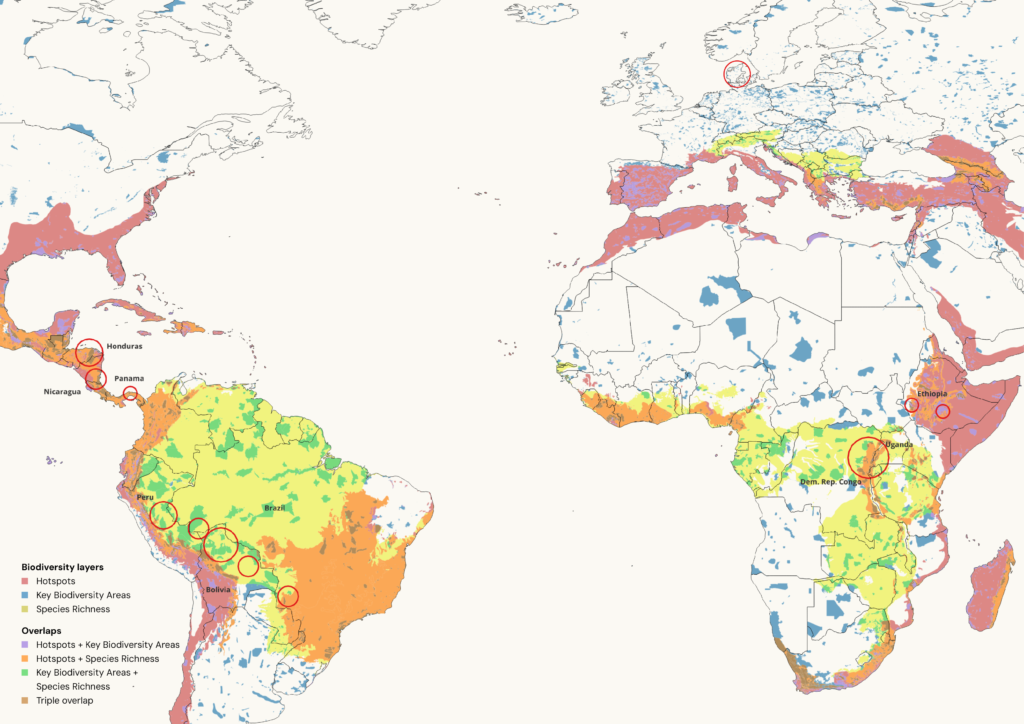
This map combines three global biodiversity layers: Biodiversity Hotspots, Key Biodiversity Areas, and Species Richness. See sources>>

Central America
In 2025, shrinking civic space and increasing pressure on land and natural resources posed serious risks to both forests and communities but also underscored the importance of strengthening rights and local leadership.
In Nicaragua, new laws declared borderlands and protected areas state property, putting Indigenous Peoples and local communities at risk of losing their land as mining and cattle ranching expand. At the same time, independent media has been systematically dismantled, and the country has withdrawn from key international bodies. Strengthening rights remains key to protecting both people and forests. Read more>>
In Honduras, offshore oil exploration continues to raise serious concerns for Indigenous Peoples in La Moskitia. Miskitu, Garífuna, Creole and Pech communities report gaps in prior consultation and limited access to information. Decisions about energy development risk moving forward without full respect for land, sea and self-determination rights, making rights-based dialogue critical to ensuring more just and sustainable outcomes.
In Honduras, Bosques del Mundo supported a year-long organisational strengthening process with three Indigenous Territorial Councils in La Moskitia. Through seven training modules on leadership, Indigenous rights, conflict resolution and territorial self-management, the programme helped reinforce the internal capacity of Indigenous authorities to make collective decisions and respond to growing territorial pressures. Read more>>
What this shows:
Forests stand stronger when the people who depend on them can defend their rights.
South America
In 2025, Indigenous communities in South America continued strengthening their role as forest stewards in the face of growing environmental pressures, showing how local leadership drives lasting change.
In Bolivia, Indigenous Chiquitano communities in Monte Verde strengthened their rights and capacity to protect their territory following devastating forest fires. Through community monitoring, volunteer fire brigades, and stronger governance, they are working to secure legal recognition, meaningful consultation, and coordinated action against illegal land invasions, mining, and deforestation. Read more>>
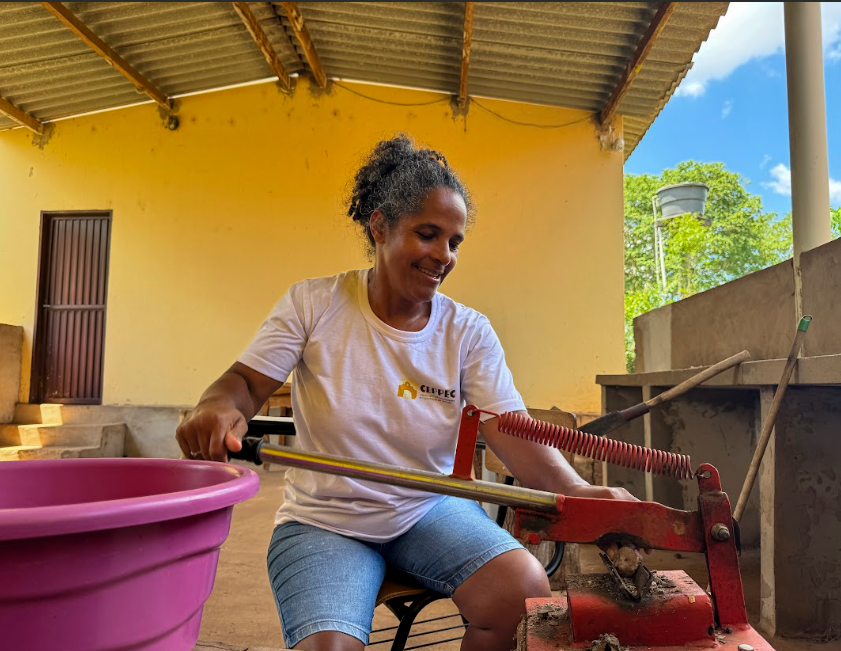
In Brazil, forest conservation in the Cerrado was strengthened through the Baru initiative developed together with the local association CEPPEC and our Brazilian partner ECOA. By supporting sustainable harvesting and strengthening local value chains through Danida Green Business Partnerships, the initiative contributes to both biodiversity conservation and improved livelihoods for local families. In partnership with the Danish company Nøddebazaren, new market opportunities are being created for responsibly sourced baru products, connecting consumers in Denmark with forest-based livelihoods in Brazil. Read more>>
What this shows:
Forests thrive when people do, and when decisions are made in their favour.
East Africa
In 2025, local communities in Uganda and Ethiopia strengthened their role as forest stewards through improved governance, forest monitoring, and sustainable livelihoods, demonstrating how local action can reduce pressure on forests.
In Uganda, communities continued defending their rights and managing forests through Collaborative Forest Management agreements. Strengthened local organisations, monitoring systems, and advocacy networks contributed to reduced illegal activities and greater community engagement in protecting forest landscapes. Read more about how communities defend Uganda’s forests>>
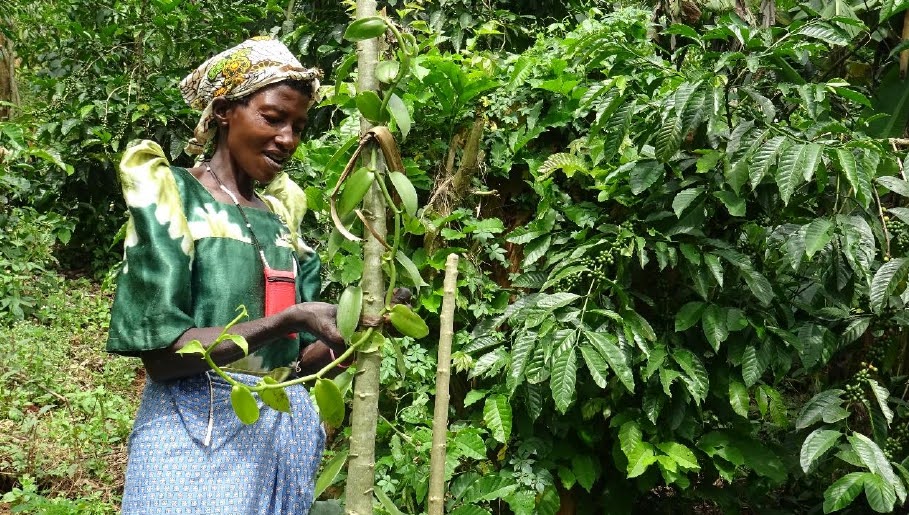
In Ethiopia and Uganda, agroforestry initiatives supported farmers in building more resilient livelihoods. By strengthening producer organisations and improving access to markets for products such as coffee, cocoa, and vanilla, the interventions linked income generation with sustainable land use, reducing pressure on surrounding forests. Read more>>
What this shows:
Real change takes time. Lasting change grows from strong local leadership.
Denmark
In 2025, Forests of the World worked to connect global forest advocacy with public engagement and policy change in Denmark.
At COP30 in Belém, in the heart of the Amazon, Forests of the World brought the voices and knowledge of Indigenous Peoples into global discussions on forests, biodiversity, and climate finance. Together with partners, we worked to ensure that commitments to halt deforestation translate into real action while highlighting the global responsibility behind forest loss, including the impact of European consumption, and the role of collective action in driving change. Read more >>
In Denmark, we mobilised public support for wilder forests through our campaign “Reclaim the Forest”. More than 5,900 people signed our petition calling for Denmark’s new forests to prioritise biodiversity over timber production. Through advocacy, public debate, and engagement with decision-makers, we contributed to shaping policies on protected forests, nature national parks, and upcoming biodiversity legislation. Read more>>
What this shows:
Forest conservation depends on us all. From global commitments to national policy and public engagement.
Our Funding
How we are funded

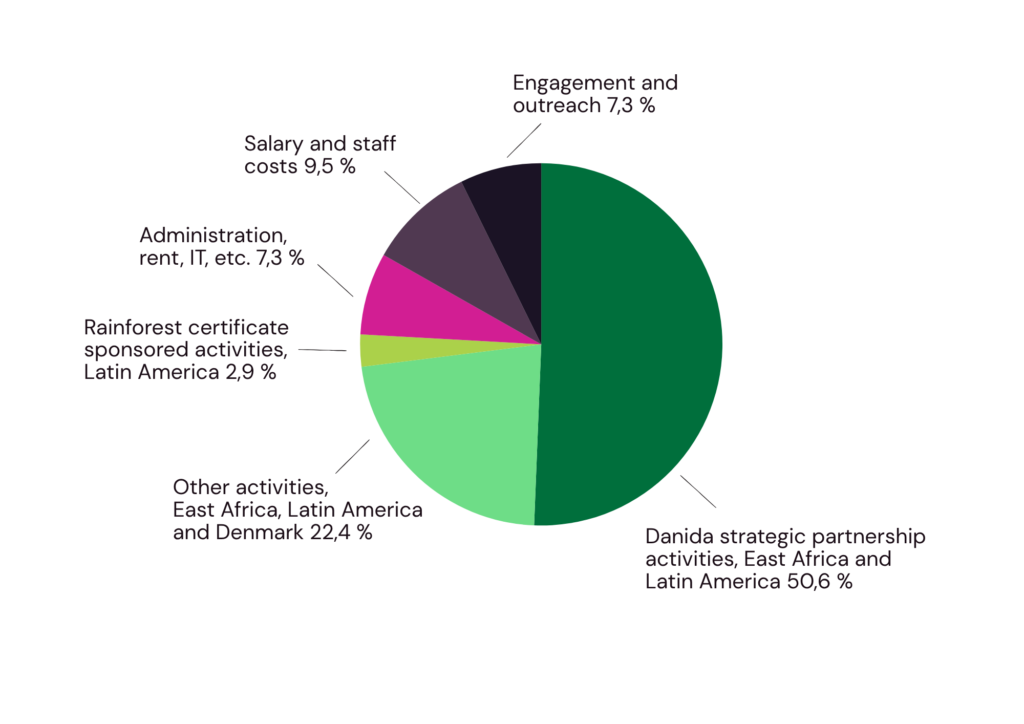
How we spend our funds
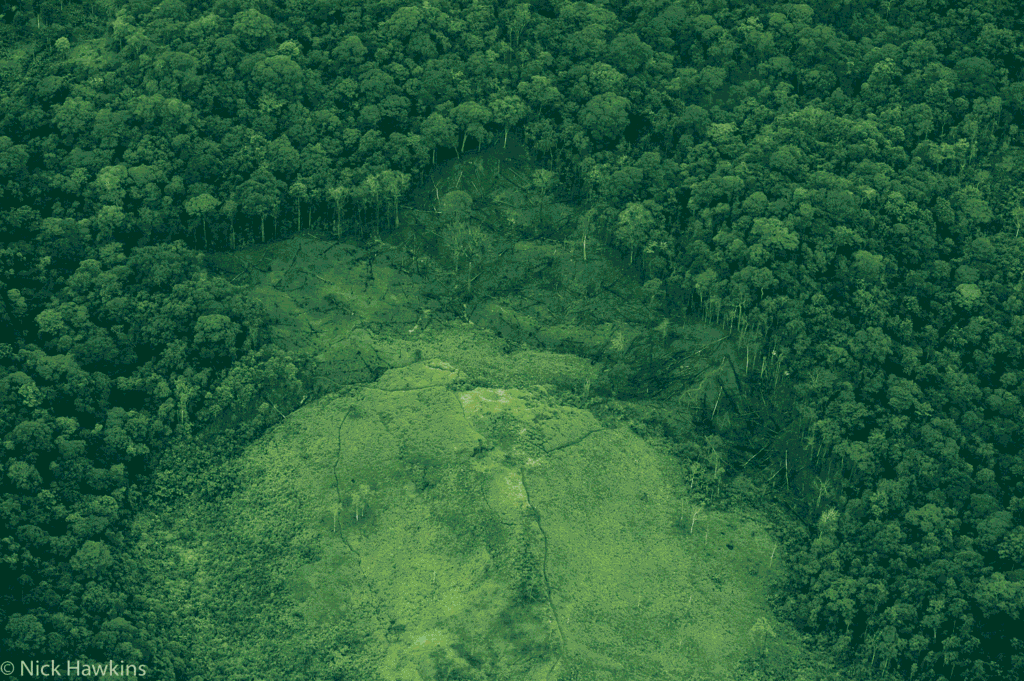
Why Indigenous and Local Leadership Matters
Indigenous territories contain some of the world’s most biodiverse and best-preserved forests. Supporting Indigenous governance is not only a matter of rights, it is one of the most effective strategies for addressing climate change and biodiversity loss.
Forest-dependent communities play a vital role in managing landscapes sustainably. When their rights, knowledge, and leadership are recognised, forests are more likely to thrive.
Our role is not to lead, but to support, strengthen, and stand alongside those who do.
From Strategy to Action
Our approach is built on three core solutions and two enabling forces that together create lasting impact:
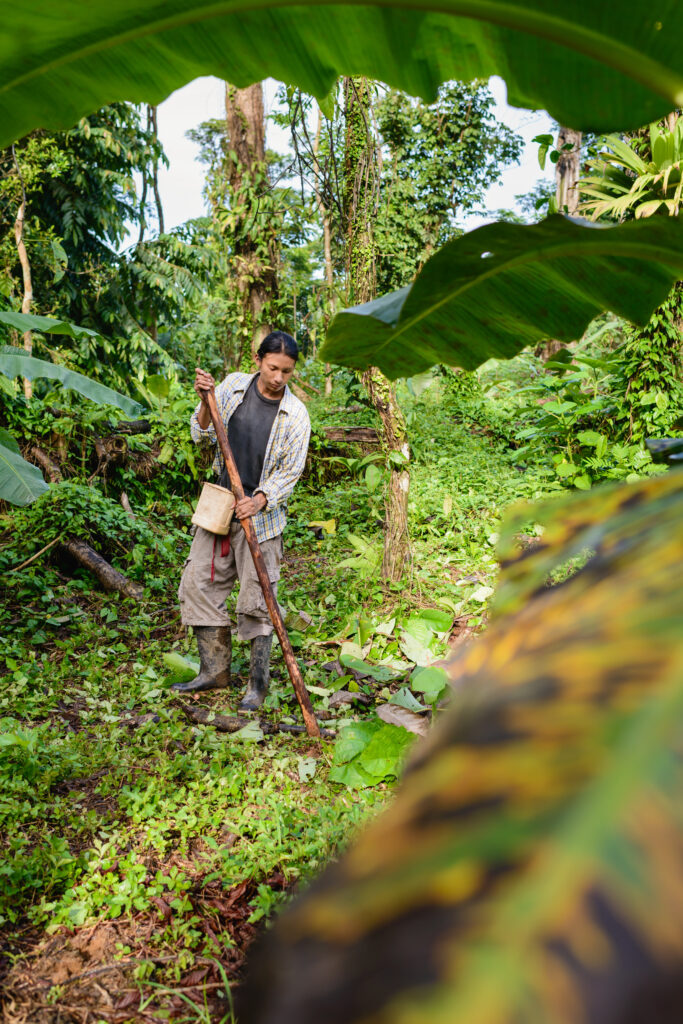
Legitimate Governance & Responsible Management
We supported forest governance systems that are inclusive, accountable, and recognised as legitimate by local communities.
In 2025, we:
- Strengthened community-led forest monitoring
- Supported inclusive land-use planning
- Restored ecological corridors
- Built capacity in fire prevention and watershed protection
Why it matters: Strong governance is one of the most effective tools to prevent deforestation.
Sustainable Livelihoods
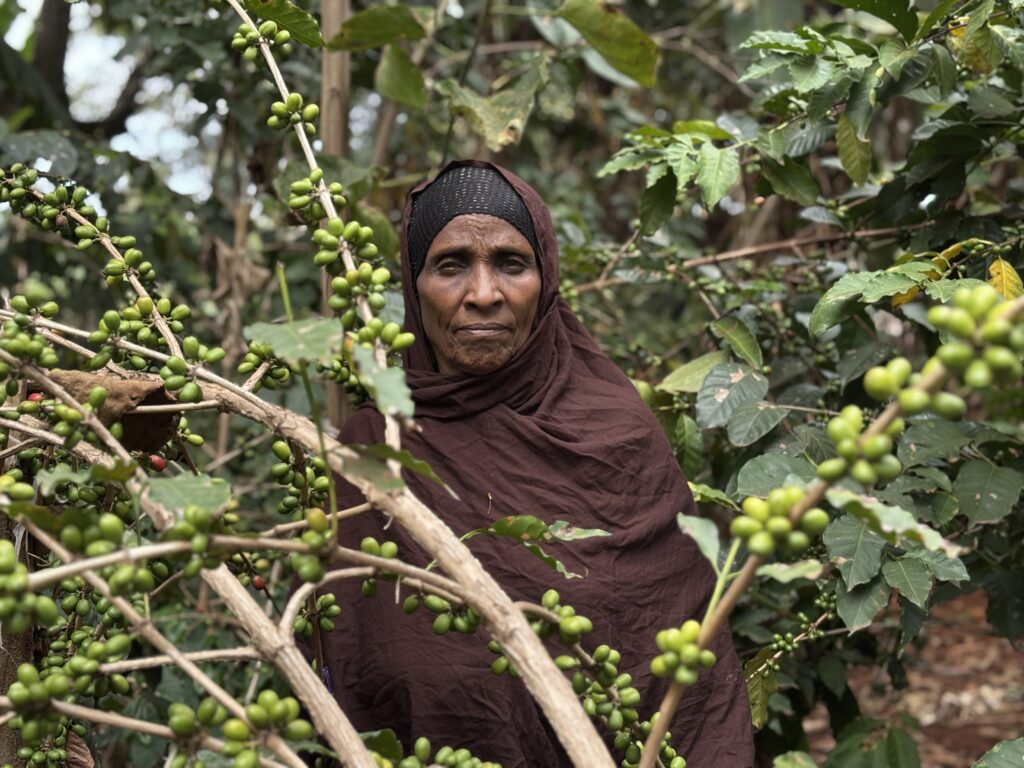
Deforestation is often driven by economic pressure. We supported forest-positive livelihoods that make standing forests more valuable than cleared land.
In 2025, we:
- Promoted agroforestry systems
- Strengthened producer organisations
- Supported sustainable forest-based enterprises
- Facilitated responsible market access
Why it matters: When people thrive with forests, forests thrive with them.
Rights for Forests & Peoples
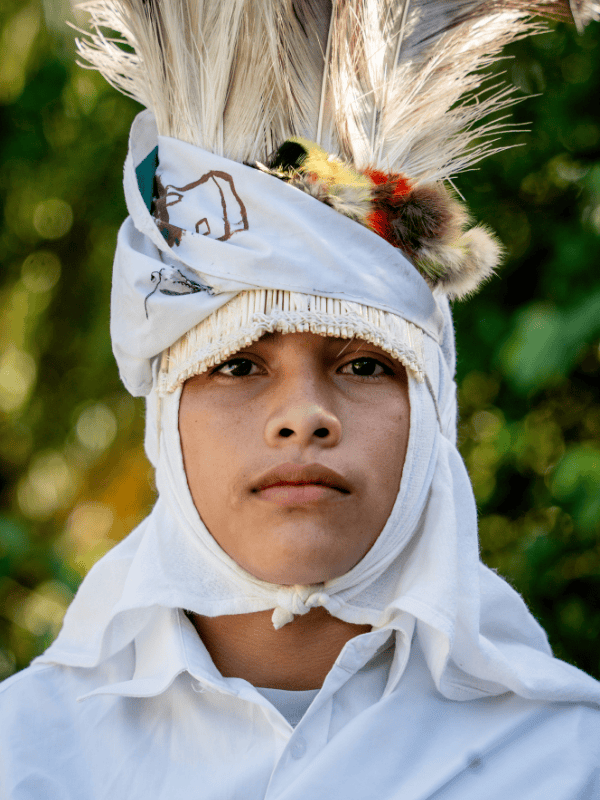
Forest conservation depends on rights being recognised, respected, and enforced.
In 2025, we:
- Supported territorial rights processes
- Provided legal assistance
- Promoted Free, Prior and Informed Consent
- Strengthened civil society advocacy
Why it matters: When rights are upheld, forests stand. When they are ignored, forests are lost.
What Makes Change Last
Empowering Partnerships
We act as facilitators, not implementers. Our partnerships are built on trust, local leadership, and shared accountability.
- Strengthened local organisations
- Invested in long-term collaboration
- Connected local actors to global decision-making spaces
Engaging People
Forest conservation depends on collective action. In Denmark and globally, we:
- Mobilised members and supporters
- Engaged youth and volunteers
- Advocated for policy change
- Created platforms for meaningful action
Thank You
15. Juni Fonden
92-gruppen
Aage V. Jensen Naturfond
AFA Decaux
AfPEC (Aarhus Universitet)
AgUnity
Alliancen for en biodiversitetslov
APCOB
Berthu & Co
Biofonia
CEJIS
Comité por la Libre Expresión
Climate and Land Use Alliance
CEPPEC
Consortium for Climate Change Ethiopia (CCC-E)
Danida
Danmarks Vilde Natur
Dyrenes Beskyttelse
Institut for Menneskerettigheder
Ecologia e Ação
Erik Kauffeldts Fond
Etisk Handel Danmark
EWNRA
Europanævnet
European Climate Foundation
Farm Africa
Fern
Fonden af 16. oktober 2018
Ford Foundation
FSC (Forest Stewardship Council)
Fundación Geoversity
Gads Forlag
Ganefryd
Globalt Fokus
GreenSpeak
Guaruma
Højskolen for Naturdannelse
IDAMHO
Ivaldi
JESE (Joint Effort to Save the Environment)
Lebensbaum
Lærlinge for Bæredygtighed
Madeclear
Maker
MOPAWI
More4nature
NABU
Naturens dirigenter Nøddebazaren
Oak Foundation
Re:Wild
Roskilde Tekniske Skole
Social Vanilla
Solidarity Uganda
Stenbroens Træpleje og Anlæg
Sv. Michelsen Chokolade
Tarratex Textiles
Torben & Alice Frimodts Fond
Ungdomsbureauet / Verdensmål i Hænderne
Vejle Kommune
Wildlife Conservation Society
ØNSK
Latest articles
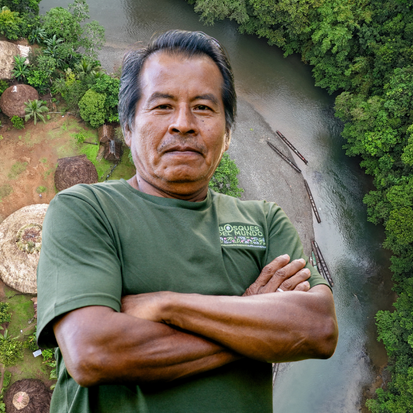
Ultiminio: “We are the guardians of the water”
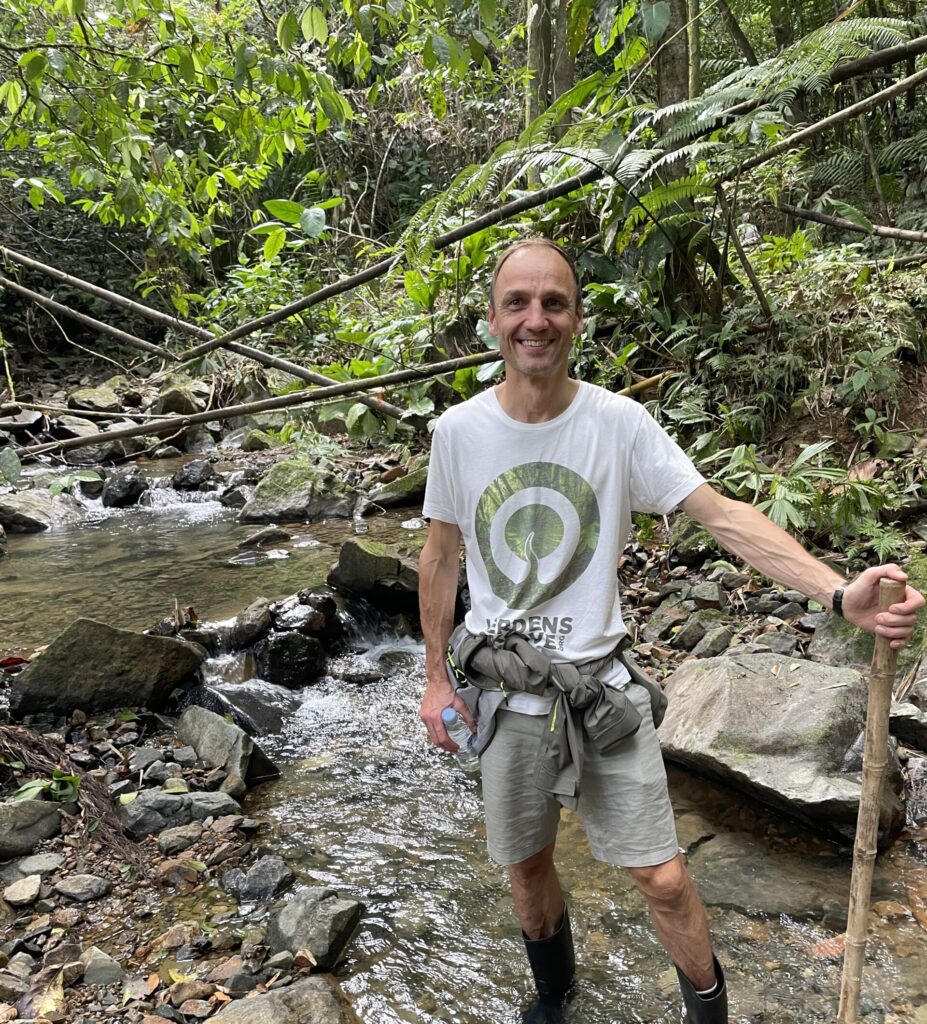
Anders Morten Christoffersen steps down as Chair of Forests of the World
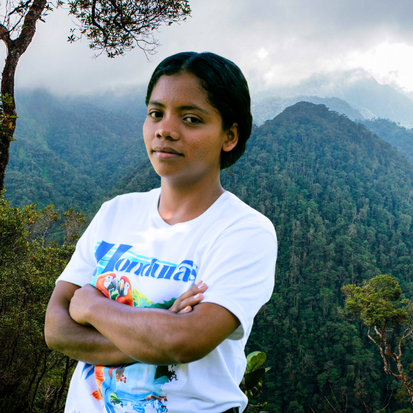
Ada: “If we protect the forest, we have a future here”