
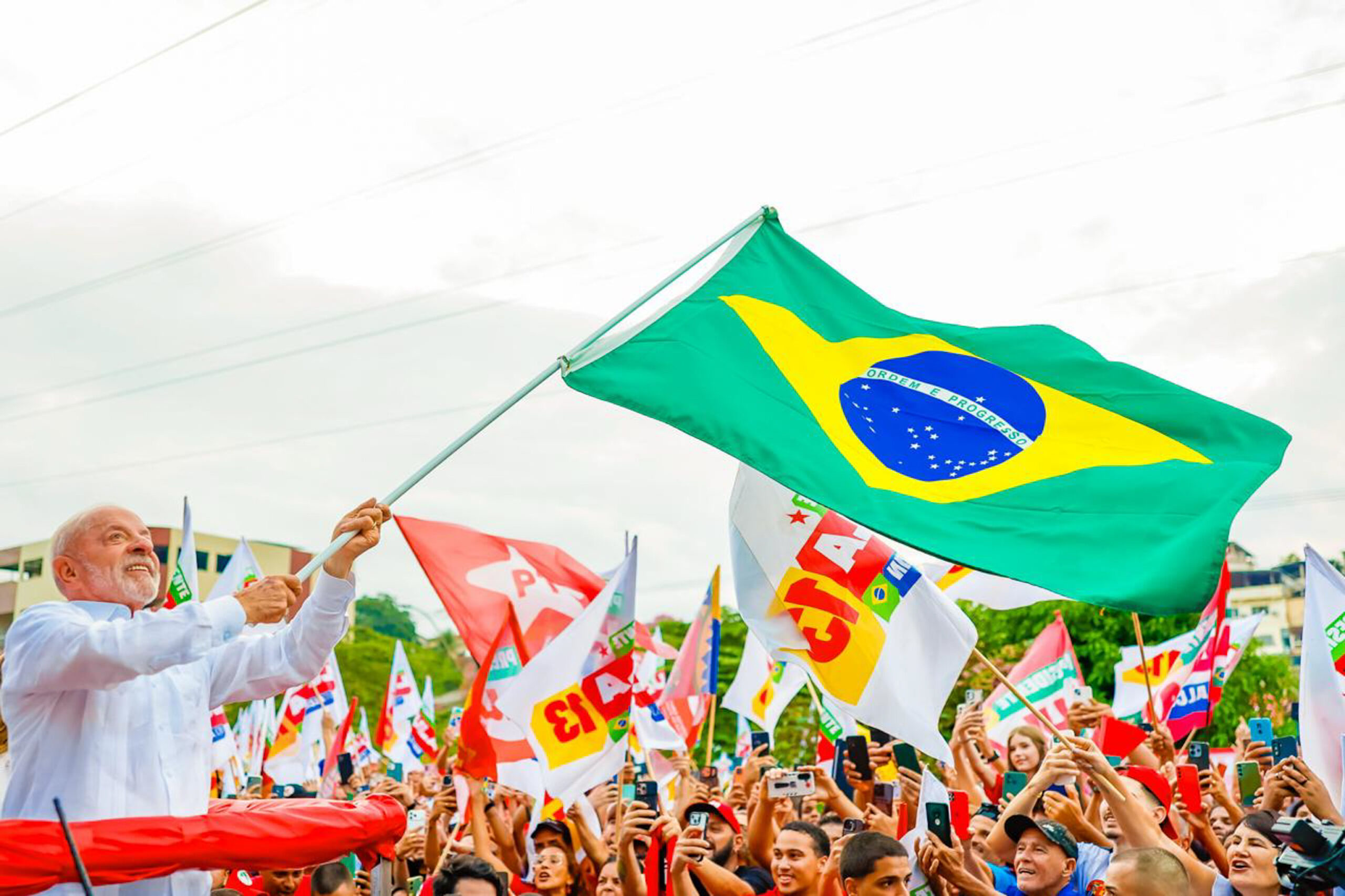
Lula’s re-election offers new hope for the Amazon, but major challenges lie ahead
Forests of the World welcomes the news that Luiz Inácio Lula da Silva has secured another four years as President of Brazil. This brings renewed hope for the world’s largest rainforest, the rights of indigenous peoples, and global climate action. However, Lula faces an altered political landscape with a strengthened right-wing presence in both Congress and several Brazilian Amazon states.
Following a historically close election and a massive mobilisation within Brazilian civil society, Lula won against Flávio Bolsonaro. With 51.79 percent of the valid votes against Bolsonaro’s 48.21 percent, it proved to be a close second round.
The re-election is a testament to Brazil’s democracy and sovereignty, as well as the country’s determination to shape its own future and maintain an independent role in international cooperation, according to Luiza Rabelo, political advisor at Forests of the World.
“It is a huge relief and a beacon of hope for the Amazon and the global climate. Brazilians have demonstrated that democratic mobilization can make a difference. The indigenous peoples, in particular, have fought for their future, their territories, and their right to self-determination. Now, this victory must be translated into concrete protection for the forests and the people on the front lines defending them.”
Luiza Rabelo, political advisor at Forests of the World.
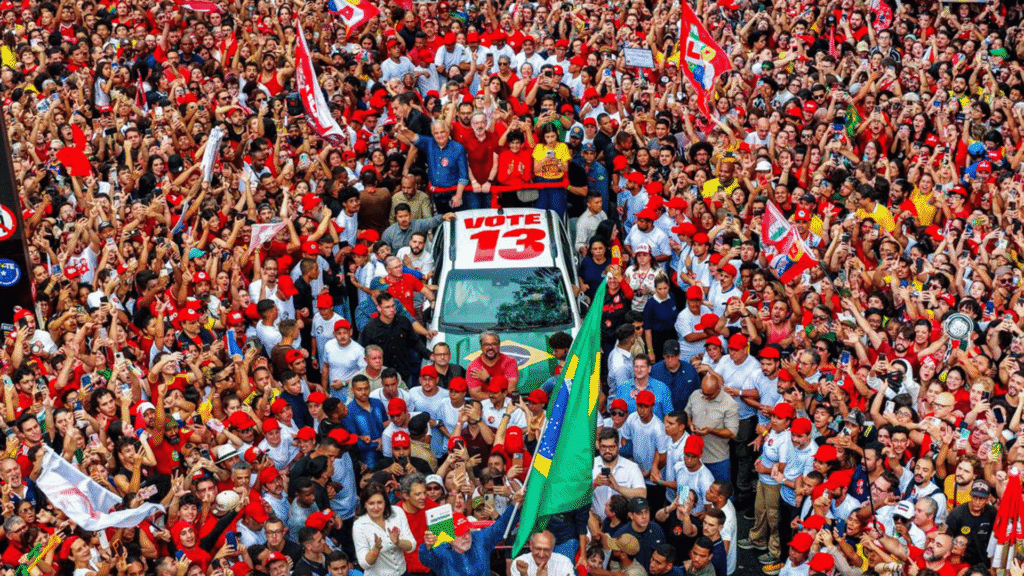
The election comes just days after new data from Brazil’s space research institute, INPE, show that deforestation in the Amazon from August 2025 to July 2026 has fallen to its lowest level since surveys began in 1988. However, according to Luiza Rabelo, the battle for the future of the Amazon is far from won. The Amazon is approaching a critical ecological tipping point, and Lula faces a Congress where the right wing has fortified its position. The territorial rights of indigenous peoples remain under political pressure.
Nevertheless, the re-election gives Brazil the opportunity to maintain its role as an independent and central player in international climate cooperation during the crucial years leading up to 2030, when the world must deliver on the Paris Agreement and the goal to halt deforestation.
“The next four years will be decisive. Denmark and the EU must support Brazil’s efforts regarding forest protection and indigenous rights—and at the same time take responsibility for our own footprint on the country’s nature,” says Luiza Rabelo, political advisor at Forests of the World.
Forests of the World urges Denmark and the EU to strengthen cooperation with Brazil on forest protection, biodiversity, and the rights and self-determination of indigenous peoples. At the same time, Denmark and the EU must ensure that their trade and consumption do not contribute to deforestation or human rights violations.