
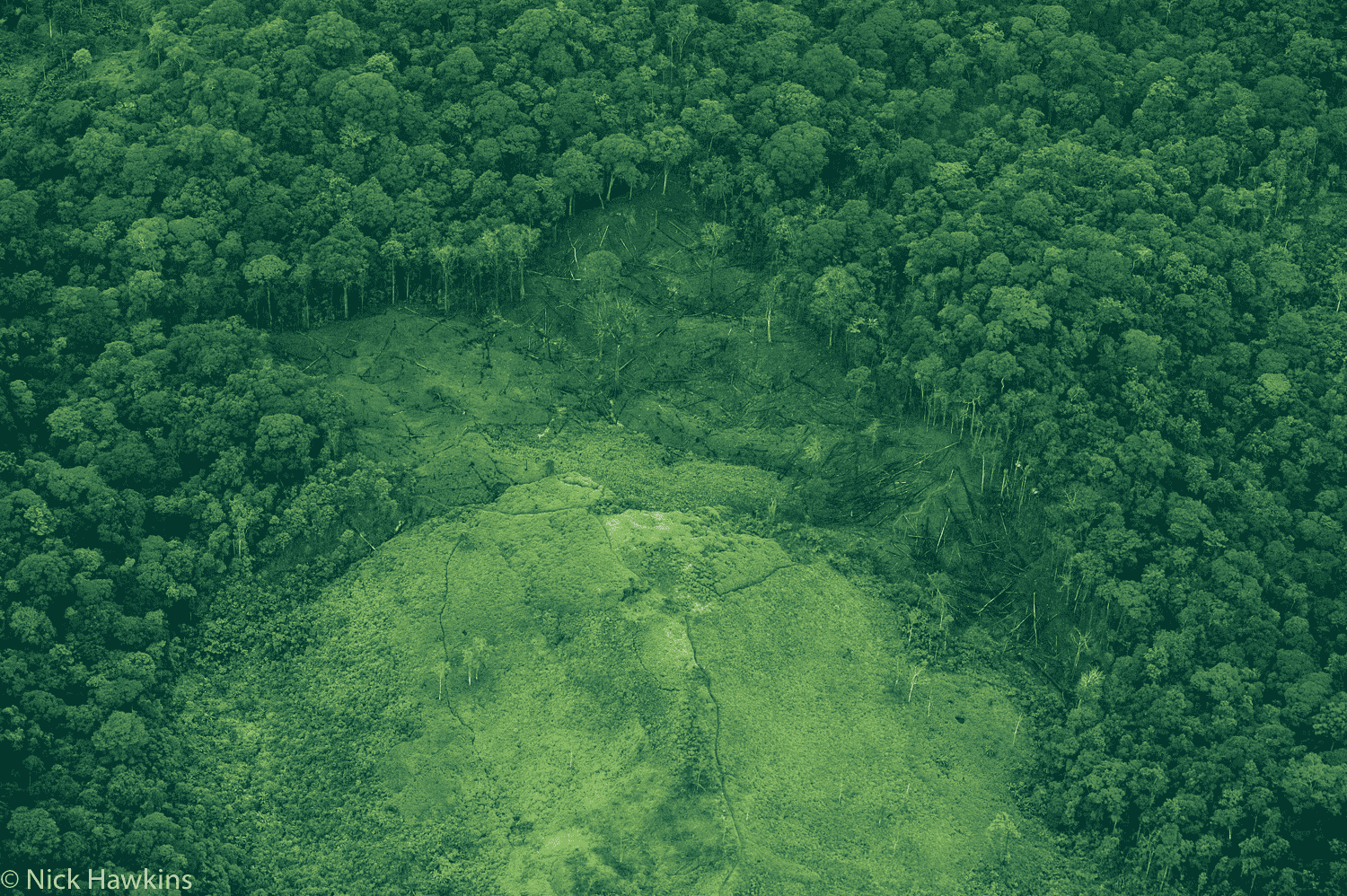

Imagine waking up to the news that your home or land no longer belongs to you, but to the state; that the military now decides who is allowed to stay and who is to disappear.
This is the reality for thousands of families in Nicaragua’s borderlands after the Parliament passed the Ley de Territorio Fronterizo (Ley N°. 1258) in August. The law declares a 15-kilometer-wide strip along the country’s borders as state property.
Not just minorities
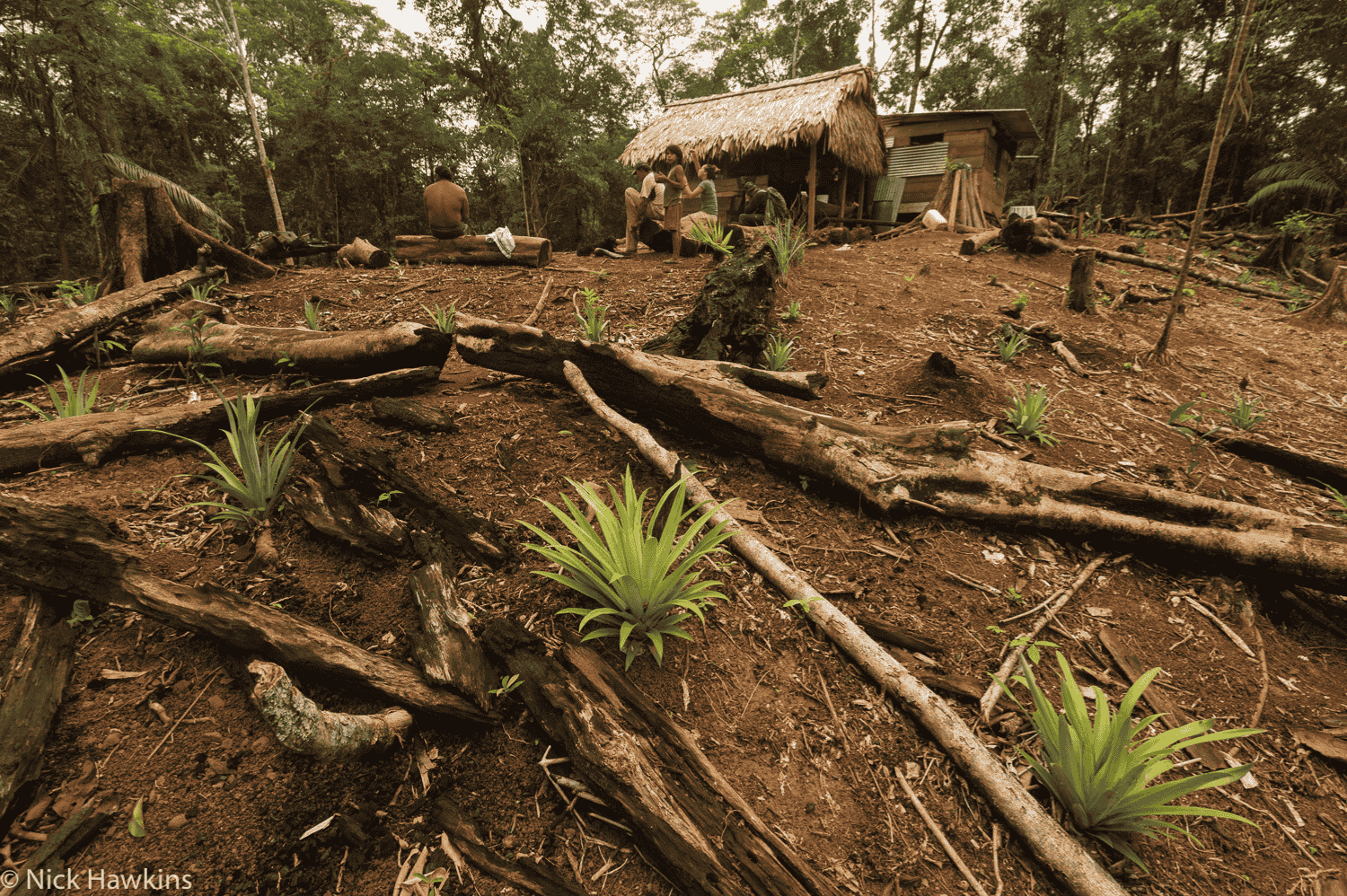
Indigenous peoples and Afro-descendants are undoubtedly hard hit: local communities from the Mayangna and Miskito in the north to the Rama and Kriol in the south risk losing their territories.
But the consequences are even more widespread. In the border areas with Costa Rica, it is mainly mestizo families, small farmers and landowners who have cultivated their land under private property rights for generations.
“It’s not just about indigenous peoples, but about everyone who lives off the land. No one knows anymore whether the land they stand on will still be theirs tomorrow.”
~ A source who chose to remain anonymous for security concerns.
Political control disguised as security
The border law is being presented as a matter of “security and sovereignty.” Article 2 (Ley N°. 1258, §2) states:
“In order to protect the country’s sovereignty and national security, territorial integrity, independence and peace, the border area is the property of the state.”
But in Nicaragua, most people know what it means when the regime talks about protection.
After the protests in 2018, media outlets, land and educational institutions were seized. Over 3,500 NGOs and civil society organizations have since been closed, and the independent press now works in exile.
Last year, Nicaragua also withdrew from UNESCO and FAO; two of the UN’s main cooperation agencies for culture, education and nature management. This is a clear symbol of how isolated the country is.
“The so-called regime talks about peace and security, but in reality they are colonizing our territories, destroying our institutions and granting concessions without consultation. It is an attack on our rights and our livelihood.”
~ Statement from indigenous people.
Behind the excuse of security lies an economic agenda. Mining is now one of the regime’s main sources of income, and it is growing rapidly. According to Nicaragua’s Central Bank, the country’s mining exports reached $1.39 billion in 2024, an increase of more than 20% from the previous year.
Laws become a tool of power
When people lose their rights to their land, nature loses its protection and is reduced to a resource that can be sold.
A few months before the border law was passed, parliament introduced a new environmental law on “areas for environmental protection and sustainable development” (Ley N°.1248). On paper, it is supposed to strengthen nature management, but in practice the law gives the regime full power over the management of the country’s natural resources. The law centralizes decisions and opens up extraction and industry in areas that were previously protected.
The new environmental law of April 2025, Ley de Áreas de Conservación Ambiental y Desarollo Sostenible, removed previous restrictions on industrial extraction in protected natural areas, while the border law of August 2025, Ley de Territorio Fronterizo, abolished the protection of territories that were previously guaranteed by both the constitution and international agreements.
Together, the two laws give the regime control over who can stay on the land and what the land can be used for. They are part of a larger pattern in which environmental and border legislation has been systematically rewritten to protect the regime over citizens and nature.
The first consequences did not take long to manifest.
The law legalizes the illegal
At the end of August 2025, the regime awarded three large mining concessions to the Chinese company Thomas Metal S.A. The concessions are located along the border with Costa Rica and include parts of the Indio Maíz protected biological reserve, the territory of the Rama-Kriol people, and the Río San Juan wildlife reserve. In total, more than 108,000 hectares were released for extraction in areas that should have been untouched.
And in fact, the concessions not only give the companies the right to extract, but also to explore new deposits and build processing plants for both metallic and non-metallic raw materials.
In short: nature reserves can be transformed into industrial areas.
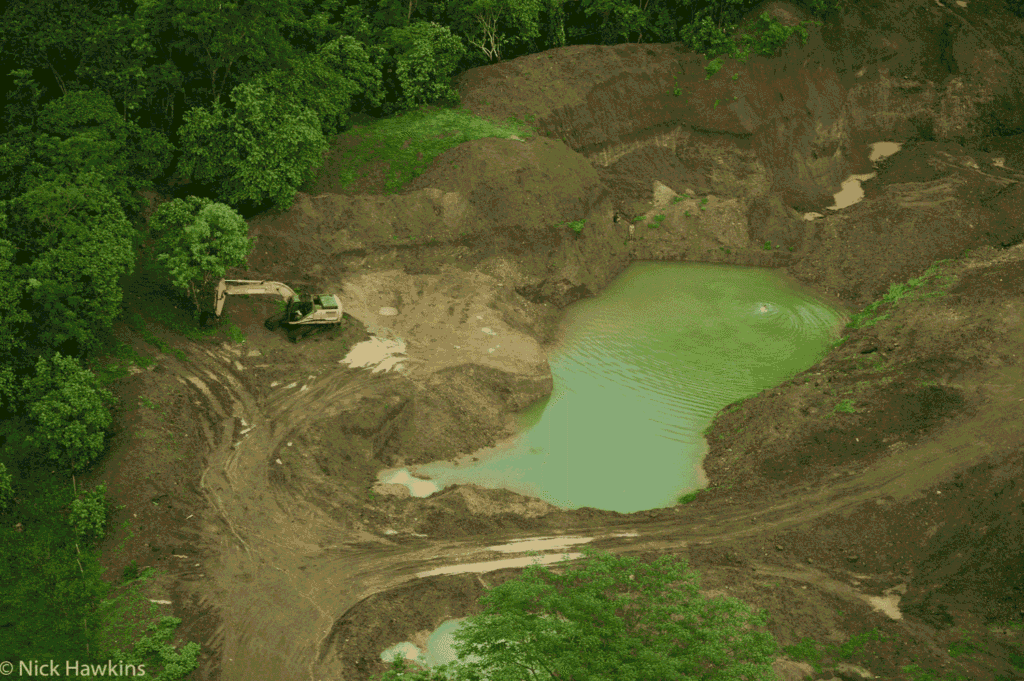
The award to Thomas Metal S.A. is a clear example of how environmental and border legislation is now being used to open the door to mining in areas that were previously protected.
“We are facing a pattern of criminalization and violence driven by the dictatorial regime. It affects not only indigenous peoples, but everyone living in the border areas.”
~ A source who chose to remain anonymous for security concerns.
When the regime rewrites the law, it also rewrites the landscape. What begins as politics in parliament ends as burned forests and empty villages.
Central America’s green heart
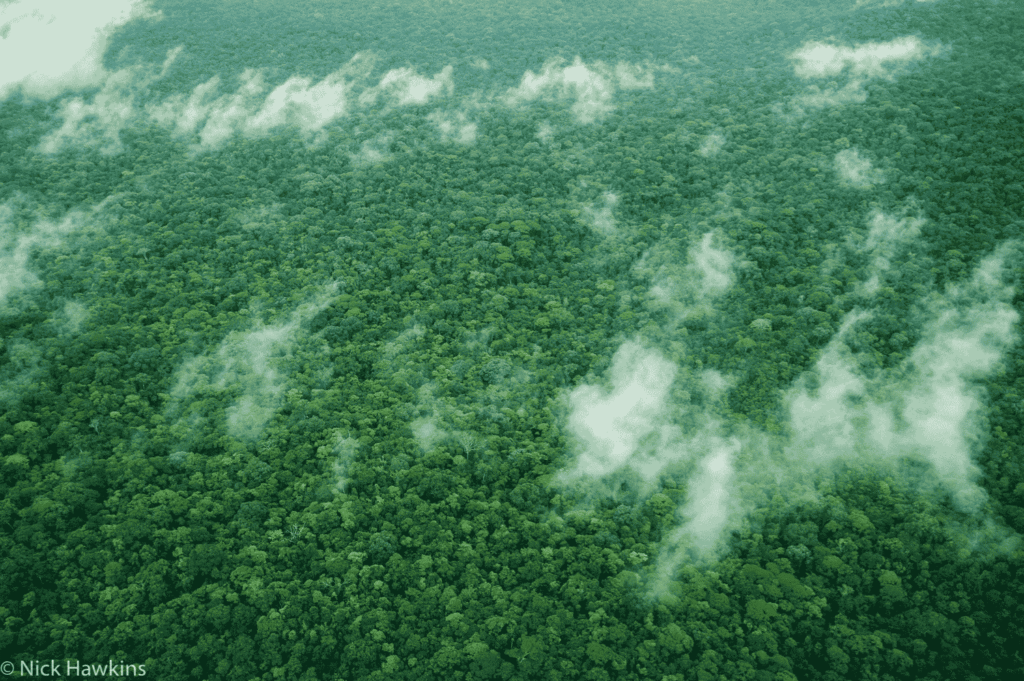
Nicaragua is a hotspot for both climate and biodiversity. The country contains large rainforest ecosystems, rivers and wetlands that connect the northern and southern continents and serve as home to thousands of species.

But nature is under massive pressure. According to the World Resources Institute, Nicaragua lost 4.7% of its primary rainforest in 2024. That’s the highest rate in the world.
The most vulnerable areas are in the border regions, where rights have been weakened and where state ownership is now opening up to extraction and industry.
“When our rights are taken away, the protection we have given the forests for generations is also taken away. We see life, but the regime sees resources.”
~ A source who chose to remain anonymous for security concerns.
Rights are the key to climate and biodiversity
It is becoming clear that the fight for human rights and the fight for forests are intertwined. When people lose the right to protect their territories, the world also loses one of its most important lines of defense against the climate crisis.
Experiences from around the world show that indigenous peoples’ territories are often better protected from deforestation. When their rights are undermined, the door is opened to illegal logging, mining companies, and cattle ranching, which are the main drivers of deforestation in Nicaragua.
Yet indigenous peoples, Afro-descendants, and mestizo communities continue to document abuses, report environmental destruction, and demand the right to their lands. It is their courage that keeps the forests standing.
“Our heritage is the struggle for freedom, self-determination and rights.”
~ Statement from indigenous people.
The article is based on anonymous interviews and documentation from independent environmental organizations. For security reasons, no personal sources are mentioned by name.
General sources
- Nicaraguas Centralbank, Comercio Exterior, 4to. trimestre 2024
- New Border Law, August 2025: Ley N°. 1258, Ley de Territorio Fronterizo de Nicaragua
- New Environmental Law, April 2025: Ley N°. 1248, Ley de Áreas de Conservación Ambiental y Desarrollo Sostenible
- ILO-Convention n.169 / Convenio 169 de la OIT; Declaración de la ONU Derechos Pueblos Indígenas
- World Resources Institute, “Fires Drove Record-breaking Tropical Forest Loss in 2024”, maj 2025