
Your participation is crucial in the fight for the forest and human rights
Nicaragua is undergoing a severe political crisis under the Ortega-Murillo regime, where human rights are under heavy pressure. Power is centralised, the opposition is suppressed, and independent media and civil society organisations have been restricted or shut down. Critics face arbitrary imprisonment and persecution, and many have been forced into exile.
This has grave consequences for the country’s population, not least for indigenous peoples and the forests within their territories.
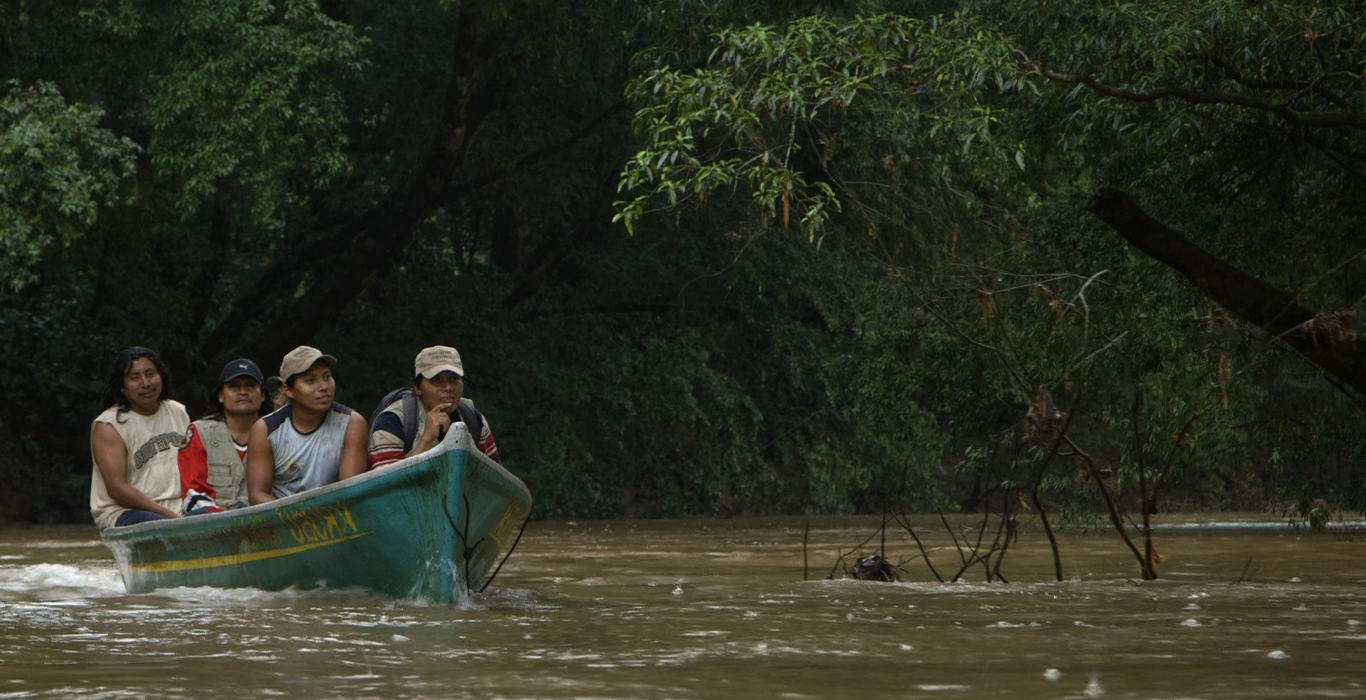
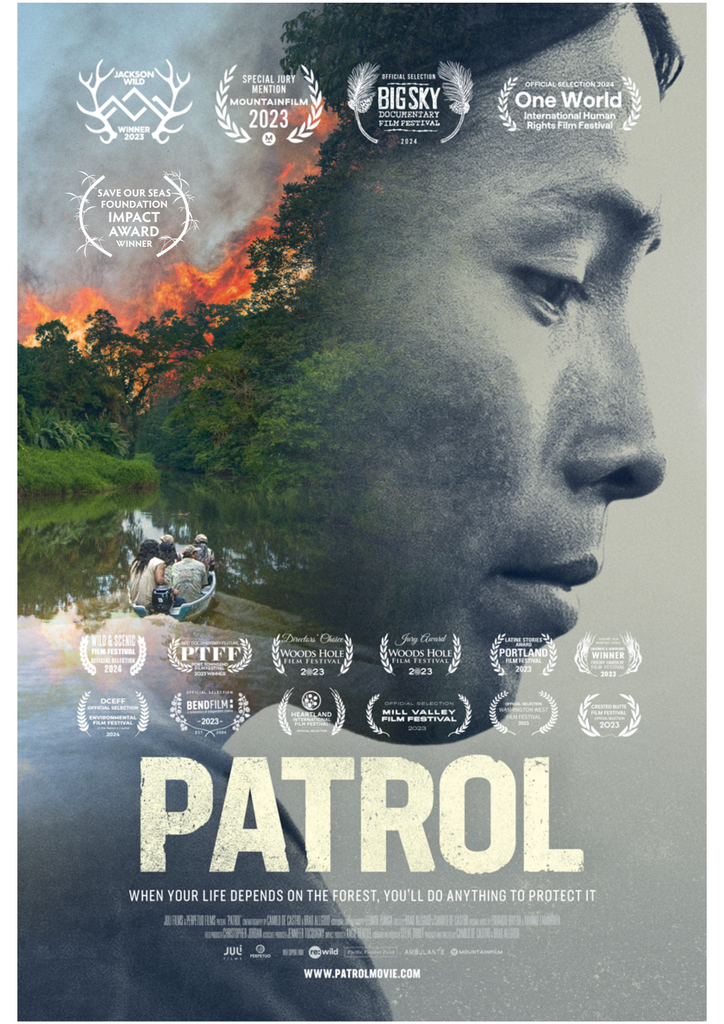
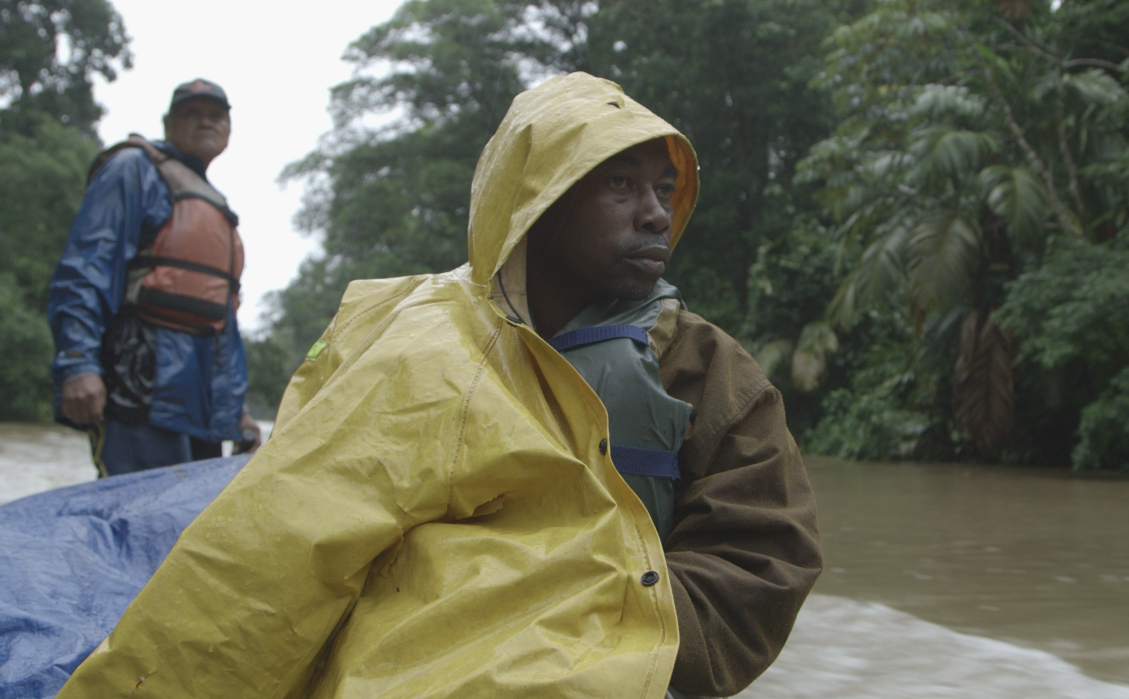
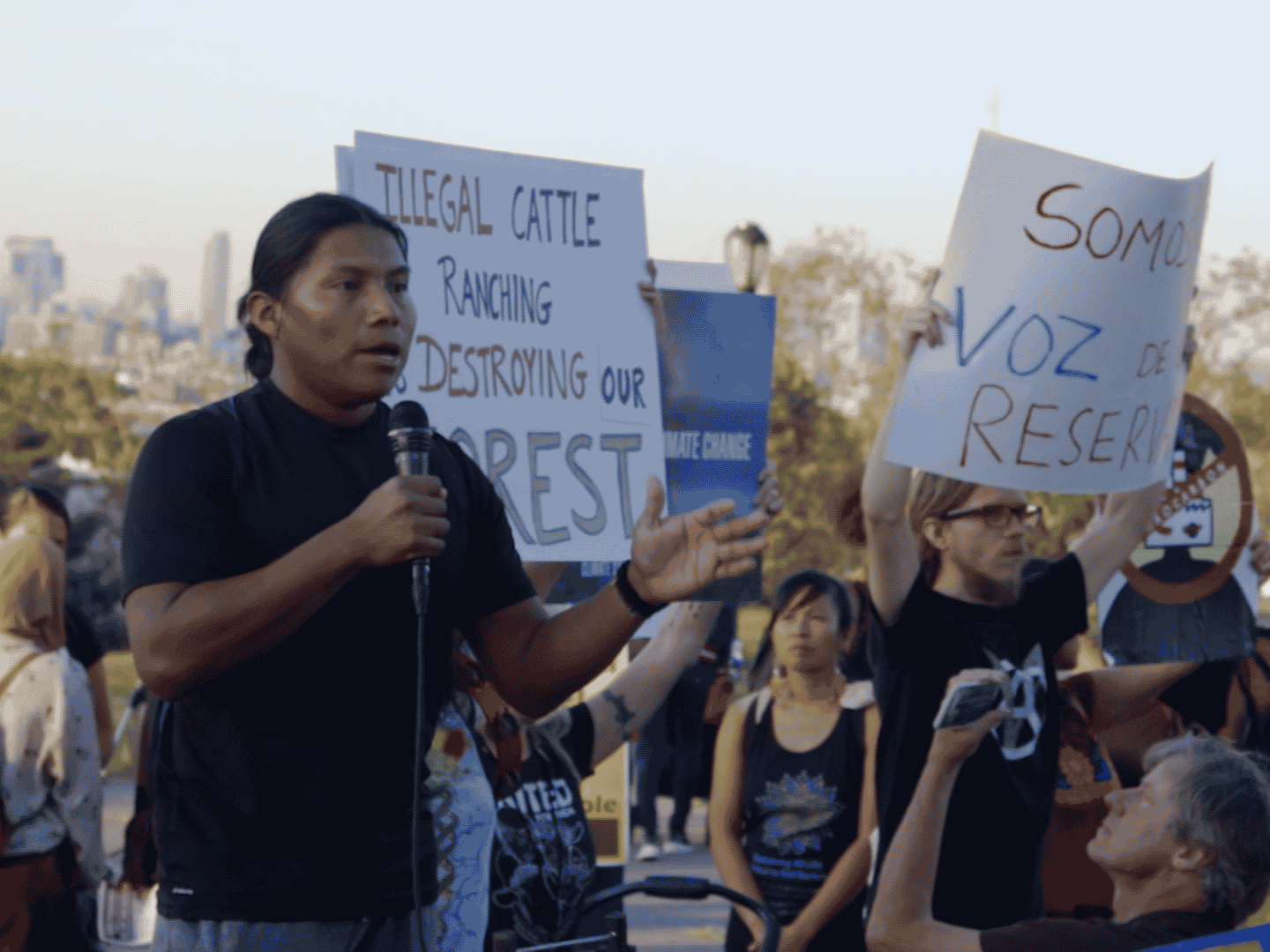
PATROL is a documentary about the escalating crisis in one of Central America’s last remaining large rainforests. The film follows forest rangers from the Rama and Kriol communities who, alongside environmentalists and journalists, document illegal cattle ranching and its devastating impact on the rainforest and human rights.
The documentary brings us up close to a conflict where deforestation is not merely an environmental issue, but a struggle for power, rights, and the right to self-determination over ancestral lands.
Meet the Guests: Following the screening on December 2, you can meet Nicaraguan guests with firsthand knowledge of the film and the current situation in the country.
Tickets
Tickets for the Danish premiere of PATROL are now on sale. Seats are limited, so we recommend purchasing your ticket well in advance.
Ticket Prices:
DKK 100 for standard admission
DKK 60 for youth under 25, students, pensioners, and members
Discount available for members of Forests of the World, the Central America Committee (Mellemamerika Komiteen), and International Child Solidarity (International Børnesolidaritet).
All ticket proceeds go directly to political prisoners and their families in Nicaragua.
Watch the trailer
Date and schedule
Date: Wednesday, December 2, 2026
• 17:00-18:25: Screening of PATROL.
• 18:25-19:30: Panel discussion with the Nicaraguan guests in Danish, with consecutive interpreting into Spanish for the guests.
• 19:30-20:30: Meet the guests in the foyer, experience a taste of Nicaragua, and learn how to support the fight for the forest and human rights.
Place: Cinemateket, auditorium: Bio Carl, Gothersgade 55, Copenhagen K.
Nicaraguan Guests

Dyann Barberena, Kriol
Dyann belongs to the Afro-descendant Kriol community and comes from the village of Greytown in the southeastern corner of the Rama-Kriol territory in Nicaragua. She has been active in her community since 2015 and was elected to local leadership roles as well as positions within the Territorial Government in 2017. Furthermore, she has taken part in monitoring and patrol efforts led by the territory’s forest rangers in the Indio Maíz Biological Reserve.
Since 2018, she has supported public complaints regarding illegal land invasions, forest fires, environmental degradation, and external interference in local governance structures across Greytown, Indian River, and Corn River.
Since 2023, she has lived outside Nicaragua, while continuing her advocacy for indigenous and Afro-descendant peoples in the country.
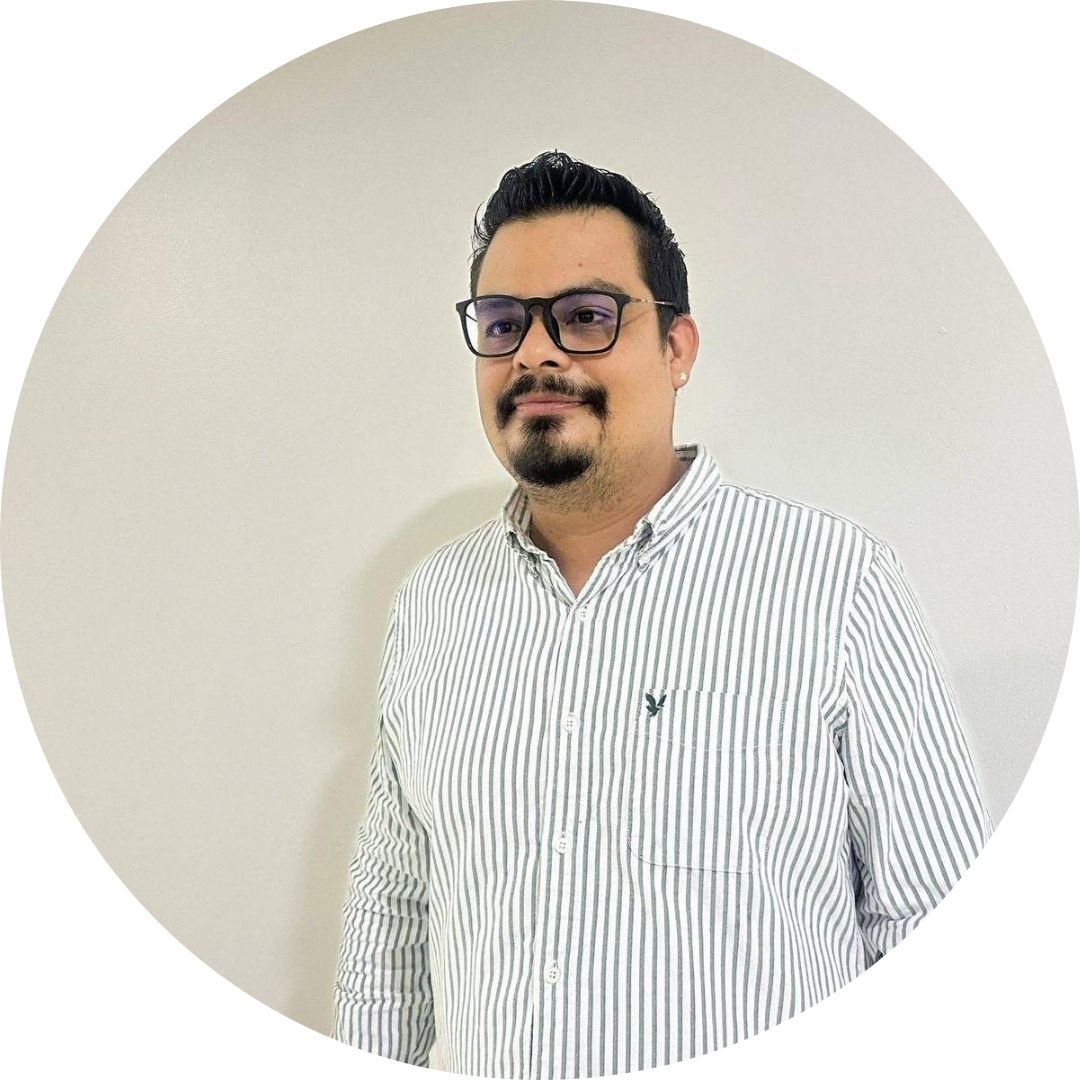
Amaru Ruiz, Human Rights Defender, Researcher, and Environmental Advisor
Amaru is a biologist holding degrees in international human rights law and corporate social responsibility. He has held prominent leadership positions in several Nicaraguan civil society organisations, including Fundación del Río and Asociación Centroamericana Red Local. His expertise spans regional network coordination, local community development, university teaching, and environmental and socio-ecological research. He specialises in political advocacy focused on indigenous peoples’ rights across Central America, climate change, and sustainability.
He combines advanced technical skills in spatial analysis and GIS mapping with extensive experience in leadership, conflict resolution, and strategic planning. In his current work, Ruiz investigates the impacts of mining on Nicaragua’s natural resources and the footprint of Chinese investment in the country’s extractive sector.
In 2023, the Ortega-Murillo regime stripped him of his citizenship due to his advocacy for human rights, environmental justice, and indigenous rights. He currently lives in exile.

Camilo de Castro, Co-Director and Producer of PATROL
Camilo is an investigative journalist, documentary filmmaker, communications strategist, and social change consultant. He brings over twenty years of experience in investigative reporting, documentary production, and impact campaigns advancing environmental justice, human rights, and social change.
He is the founder and director of Juli Films, a production company and advocacy lab combining cinema, investigative research, and strategic communications to amplify historically marginalised voices, mobilise civil society, and drive impact. His work bridges investigative reporting and narrative audiovisual storytelling with advocacy and policy engagement.
He has directed and co-directed several internationally acclaimed documentaries, including Emergency in the Forest, Bosawas’s Song, and Patrol. His honours include the Pedro Joaquín Chamorro Cardenal Award for Excellence in Investigative Journalism, the Wildscreen Impact Panda Award, and the Jackson Wild Media Award.
Since 2023, he has spearheaded the global impact campaign for PATROL, combining research, media strategy, and policy advocacy to expose the links between illegal cattle ranching, deforestation, human rights abuses, and international beef supply chains. In 2025, he published Conflict Beef, exposing cattle traceability loopholes in Nicaragua and their ties to global export markets.
He has lived in exile since 2018. In 2023, the Ortega-Murillo regime stripped him of his nationality and confiscated his home. He continues to direct documentaries and lead campaigns targeting the cattle industry, environmental justice, and human rights.
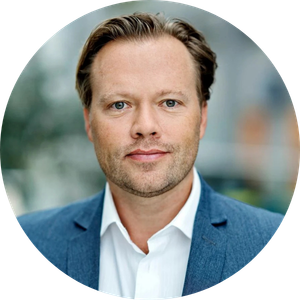
Kristian Almblad, Latin America Correspondent for DR (Danish Broadcasting Corporation)
Kristian will moderate the panel discussion following the screening.
The Nicaragua Network in Denmark invites you to the Danish premiere of PATROL
Danish-Nicaraguan Alliance (Dansk-Nicaraguansk Alliance)
A collective of Danish and Nicaraguan citizens based in Denmark working together to support the Nicaraguan people in their struggle for democracy.
The Central America Committee (Mellemamerika Komiteen)
A solidarity organisation, commonly referred to as MAK. Our purpose is to mobilise active solidarity with the peoples of Central America.
The Central America Committee actively supports the struggle for social justice, self-determination, and human rights. We prioritise direct cooperation with political and popular movements.
For the past 45 years, we have worked with peasant movements, trade unions, women’s organisations, and youth organisations, all working to strengthen the social and political conditions of the impoverished majority.
The Central America Committee works in Nicaragua, Guatemala, and Honduras.
International Child Solidarity (International Børnesolidaritet)
A membership-based NGO founded in 1992 using a rights-based approach to empower children and young people to be heard, taken seriously, and influence decisions affecting their lives.
Today, we collaborate with local partners in Bolivia, Peru, Colombia, Costa Rica, and Guatemala—countries challenged by deep inequalities and poverty where international solidarity remains vital.
Grounded in Danish pedagogical trade unions (FOA, BUPL, and Socialpædagogerne), we bridge global commitment, child rights, and educational practice in Denmark while building cross-border solidarity.

Forests of the World
An organisation working toward a world rich in biodiverse forest ecosystems. Backed by 40 years of experience protecting and restoring native forests, we run on-the-ground conservation initiatives in tropical rainforests, generate scientific knowledge, and advance forest policy worldwide—including in Denmark.
Headquartered in Denmark with regional offices in East Africa, South America, and Central America, our teams partner closely with local communities across Ethiopia, Uganda, the DRC, Bolivia, Brazil, Peru, Panama, Honduras, and Nicaragua.

Supported by Danida and Torben & Alice Frimodt Fond.
Gaining insight together
Following the screening, we invite you to a panel discussion featuring Nicaraguan guests with direct experience of the country’s crisis, along with representatives from organisations working closely on the defence of forests, territories, and human rights.
What are the systemic consequences when democratic freedoms collapse and civil society is silenced? What happens when indigenous territories are invaded by illegal cattle ranching and corporate interests? And what responsibilities fall upon Denmark and the international community?
Together, we will contextualise the documentary’s narrative within a broader international framework. Multiple Danish and international organisations continue their united call for the restoration of democratic freedoms in Nicaragua.
Every voice counts in the fight against deforestation
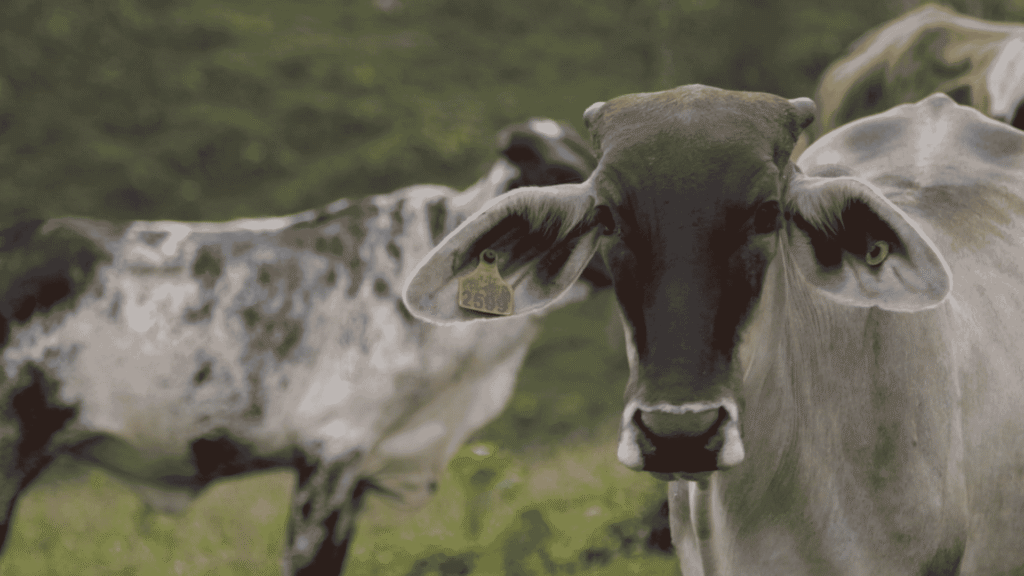
In Latin America, cattle ranching is the single largest driver of deforestation and biodiversity loss.
When rainforests are cleared for pasture, nature is not the only casualty—it directly undermines indigenous territories, human rights, and traditional livelihoods.
Traceability systems are designed to guarantee that beef does not originate from illegal land clearing.However, systemic regulatory failures in Nicaragua allow cattle raised illegally within protected reserves and indigenous lands to enter legitimate supply chains—ultimately reaching international buyers and global markets.
Deforestation in Nicaragua is therefore not merely a local crisis; it is tied directly to global trade and international beef demand. By shedding light on these supply chain dynamics, we can apply collective pressure on corporations and policymakers to enforce transparent sourcing and respect indigenous territorial sovereignty.
The Rama and Kriol peoples‘ fight
The Rama people are one of three indigenous nations on Nicaragua’s Caribbean coast, numbering approximately 2,800 people. Most live on the small island of Rama Cay, while others reside across mainland settlements between Bluefields and Greytown. The Rama are among the smallest indigenous populations in the world.
The Kriol people are an Afro-descendant population of approximately 43,000 individuals, primarily living in the Bluefields area and along the coastline. The Kriols share deep cultural and historical ties with the Rama people.
Together, the Rama and Kriol nations hold communal land title to the Rama-Kriol Territory, which covers more than 80% of the Indio Maíz Biological Reserve. The territory is self-governed by the Autonomous Rama-Kriol Territorial Government (GTR-K).
To confront encroaching threats from illegal cattle ranchers, wildcat miners, and commercial land grabbers driving deforestation, they established an autonomous community forest ranger program to defend their ancestral lands.
PATROL is their story.
The Indio Maíz Reserve under siege
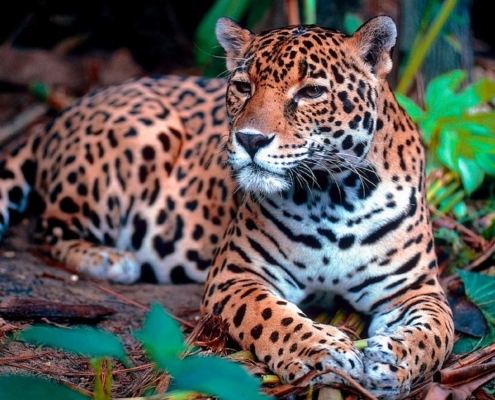
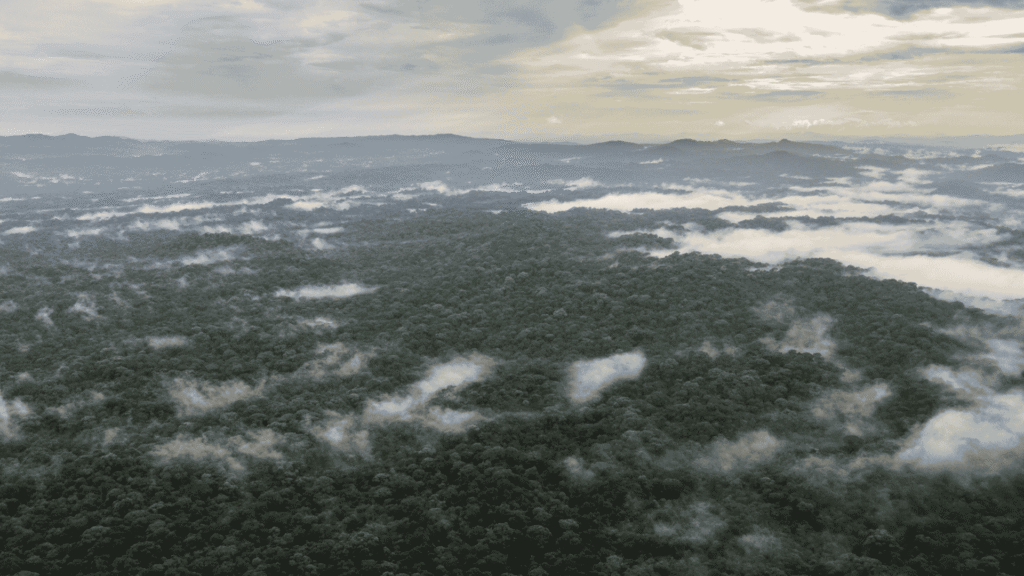
To most outside observers, the Indio Maíz Biological Reserve is an overlooked crown jewel of tropical rainforest, covering 2,639 km² (an area nearly the size of the Danish island of Funen). It shelters more than 520 documented species of mammals, birds, reptiles, insects, and amphibians, harbouring critical biodiversity and regional climate stability.
Indio Maíz is classified as a strictly protected area under Nicaraguan law and constitutes the core zone of the UNESCO Río San Juan Biosphere Reserve. Furthermore, the vast majority of the reserve overlaps with legally titled Rama-Kriol communal territory.
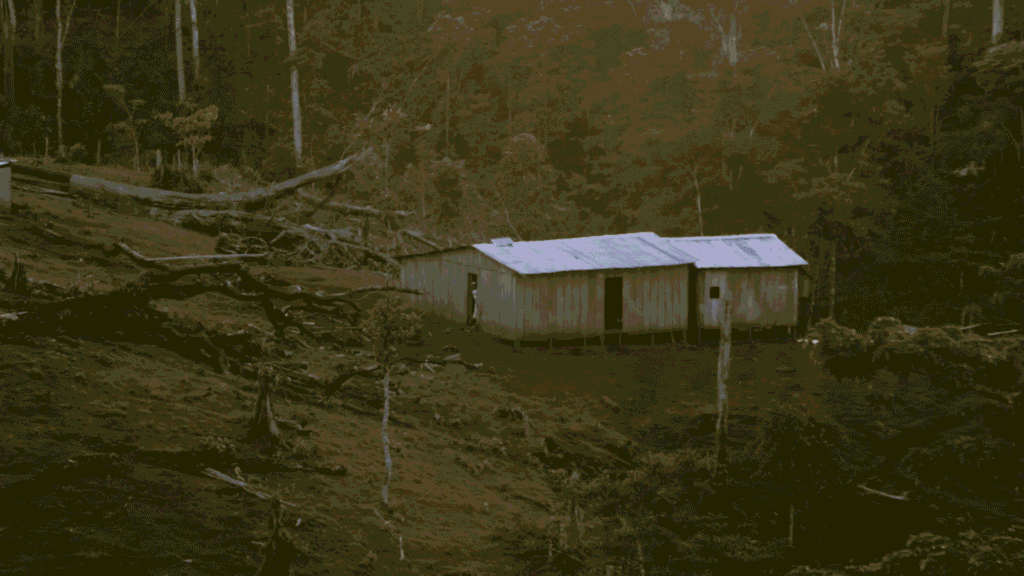
Under statutory law, human settlement, agricultural clearing, cattle grazing, and resource extraction are strictly prohibited within Indio Maíz. In practice, however, environmental laws are ignored with impunity as illegal incursions and cattle speculators encroach deeper into the forest.
Why are we screening PATROL?
Forest conservation is inseparable from the defence of human rights.
Forest conservation is inseparable from the defence of human rights.Around the globe, indigenous peoples and forest-dependent communities stand on the front lines of defence against ecological destruction. Yet their basic rights remain under escalating assault from logging, unlawful cattle ranching, and corporate land grabs.
PATROL offers an unflinching look into this reality through the Rama and Kriol communities’ resistance to preserve their ancestral lands in Nicaragua.
Forests of the World works alongside indigenous and local communities to assert territorial sovereignty, protect land rights, and restore native ecosystems. Through this screening, we aim to spotlight the courageous individuals defending our remaining old-growth forests, expose the perils they face, and examine the responsibility of importing nations like Denmark in dismantling global drivers of deforestation.
Press contact
For press inquiries, contact Nanna Bohmann via email nb@verdensskove.org or by phone +45 31 90 27 67.