In Honduras’ La Moskitia region, defending territory does not depend solely on monitoring the forest or responding to external threats.
It also depends on something less visible, but just as important: the strength of the Indigenous structures that make decisions about land, natural resources and community life.
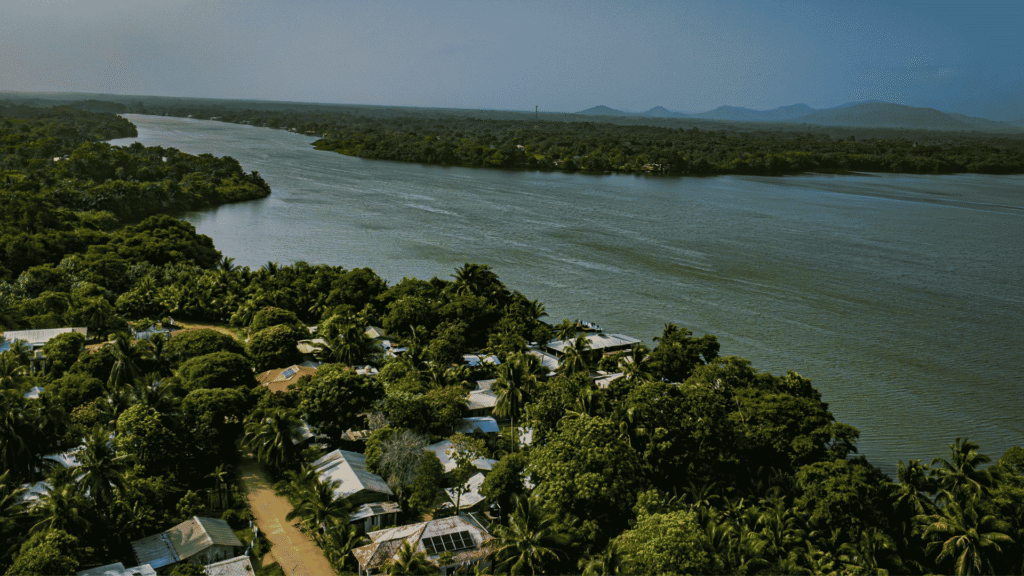
La Moskitia is one of Central America’s largest continuous forest landscapes and home to several Indigenous Peoples, including the Miskitu. The Territorial Councils represent local communities and play a central role in the governance of territories, natural resources, and collective rights.
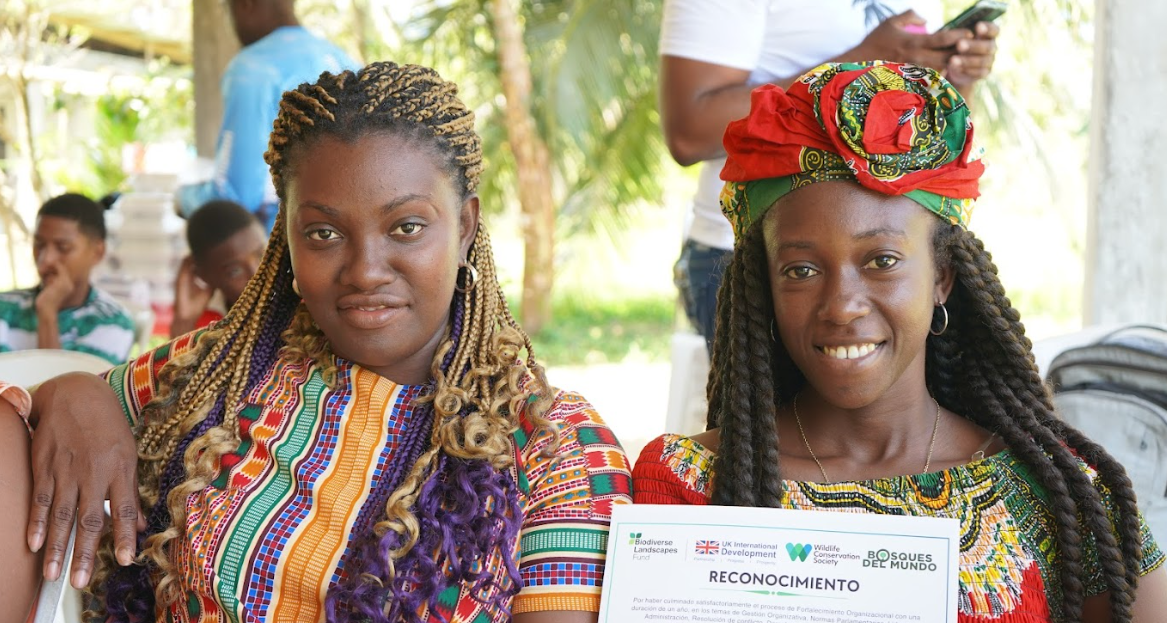
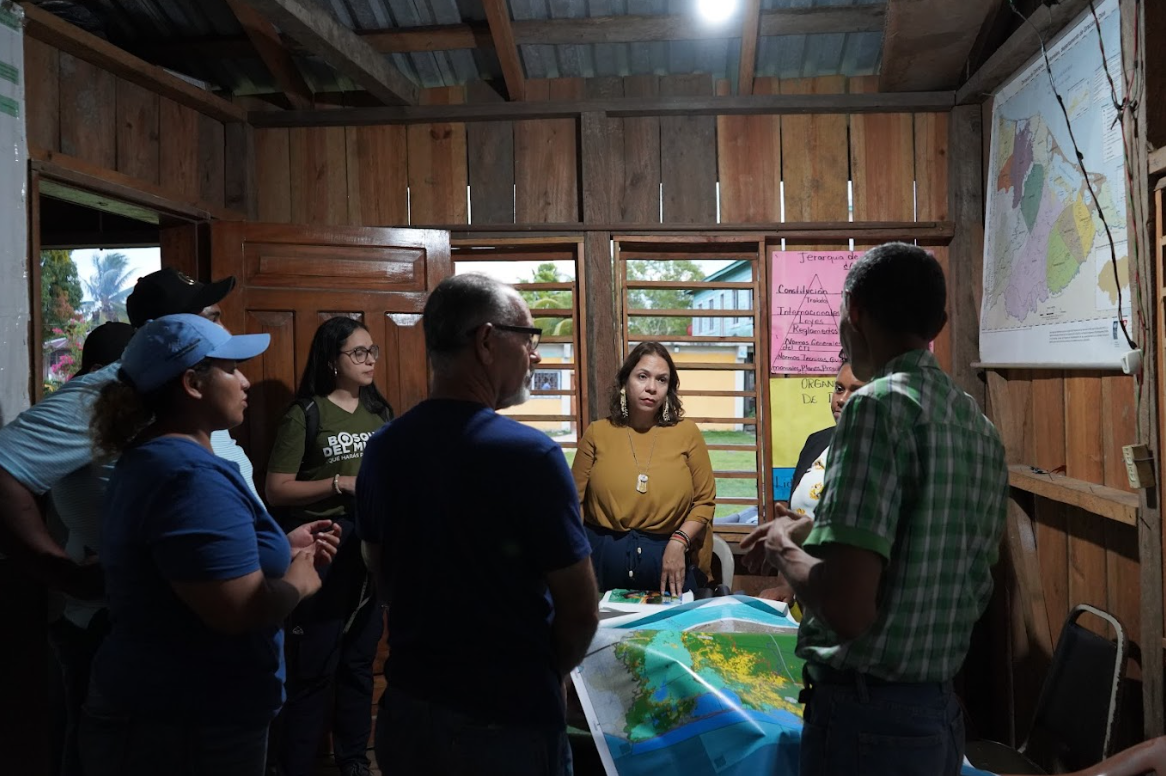
Based on this approach, Forests of the World supported a year-long training process, in coordination with partner organisations, with members of three Indigenous Territorial Councils in La Moskitia: DIUNAT, RAYAKA and BARAUDA.
The idea was not to work on isolated topics, but to accompany a process where each module prepared the ground for the next. Organisation, leadership and decision-making are deeply connected when a territorial authority needs to respond to real threats.
~ Kelinn Echeverria, Organisational Strengthening and Rights Adviser at Forests of the World.
Through seven training modules, the process sought to strengthen organisational capacities, community leadership, the defence of collective rights and territorial governance within these Indigenous structures.
THE SEVEN MODULES
- Organisational management
- Parliamentary procedures
- Community leadership
- Administration and financial education
- Conflict resolution
- Indigenous Peoples’ rights
- Territorial governance
When a territorial authority has legitimate leadership, clear rules, the capacity for dialogue and mechanisms for sustaining agreements, it also has stronger tools to respond to invasions, conflict, pressure on forests or decisions imposed from outside.
A training process designed as a journey
In many cases, territorial authorities were already carrying major responsibilities, but without enough space to stop and reflect on how they were organising their own decision-making. The process made it possible to look inward and strengthen what sustains territorial work.
~ Kelinn Echeverria.
The process was designed as a training journey in which each module prepared the way for the next.
The first sessions focused on organisational management and parliamentary procedures: essential foundations for helping territorial structures organise decisions more effectively, document agreements, ensure participation and respond more transparently to their own communities.
From there, the training moved into community leadership, administration, conflict resolution, Indigenous rights and, finally, territorial governance.
Rather than addressing isolated topics, the process gradually expanded towards a shared objective: strengthening internal leadership and territorial response capacity.
Leadership for sustaining difficult decisions
Territorial Councils are responsible for difficult decisions.
Responsibilities concerning communal lands, political representation, natural resource management, internal conflicts and external pressures.
And often also the responsibility of maintaining community cohesion when competing interests threaten to divide it. That is why this process was not only about providing administrative tools.
It was also about accompanying the people who, from within the territory, must listen, mediate, build trust and sustain collective decisions during difficult moments.
The training materials emphasised leadership not as vertical authority, but as the ability to bring together interests, mobilise collective action and build credibility within the community.
A commitment to territorial governance
As the year progressed, the process connected each lesson to a broader goal: ensuring that DIUNAT, RAYAKA and BARAUDA have stronger tools for exercising territorial governance.
In other words, strengthening their ability to decide how to plan, use, protect and defend their territories according to their own norms, priorities and forms of organisation.
Kelinn explains:
People often think territorial defence begins when conflict appears. But in reality it begins much earlier, in the community’s ability to organise itself, reach agreements and sustain collective decisions.
The final module defined territorial governance as the direct control exercised by organised communities over their resources, decisions and future, based on autonomy, participation and self-determination.
But exercising that autonomy depends on more than simply knowing one’s rights.
It depends on having structures capable of sustaining agreements, assuming responsibilities and acting collectively when territory comes under threat.
A stronger foundation for the territorial future
Forests of the World works from a simple idea: lasting forest conservation cannot be separated from the Indigenous Peoples who live in and from the forests, and who manage and defend their territories.
In a region like La Moskitia, marked by pressure on land, deforestation, threats against leaders and territorial disputes, that relationship becomes even clearer.
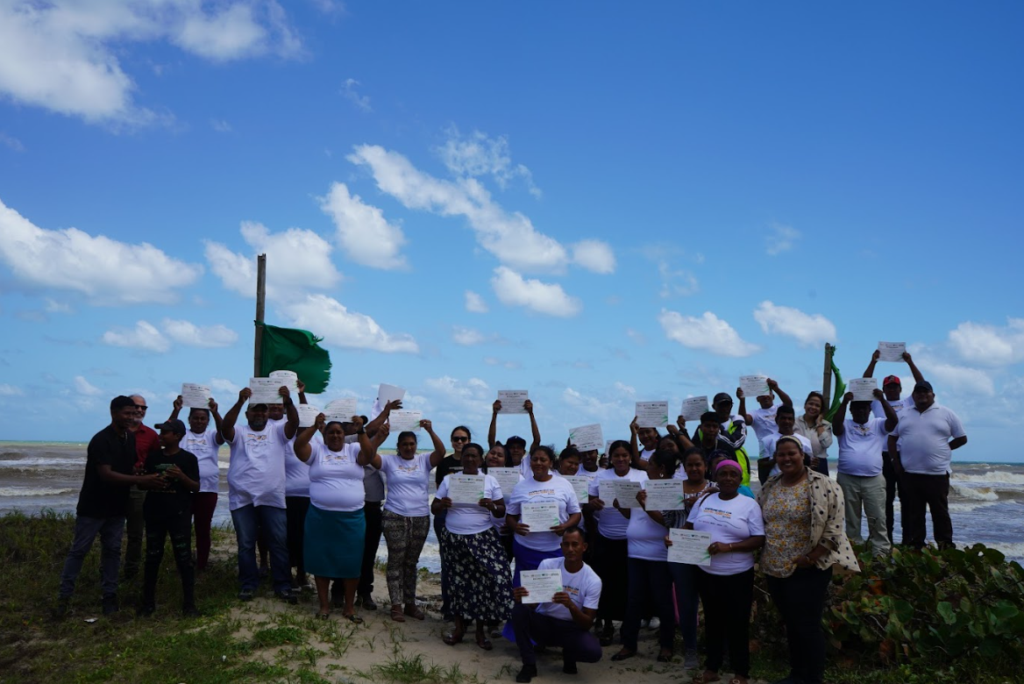
For that reason, the conclusion of this process does not simply mark the end of seven training modules.
It also leaves behind a stronger foundation for these territorial structures to continue strengthening their representation, coordination and decision-making capacity in the years ahead.
In other words, it represents a long-term investment in three Indigenous authorities that will continue facing complex challenges concerning their territories, forests and rights.
Because behind each module there was something more than training: there was preparation, reflection and a shared effort to strengthen the ability to make difficult decisions in the years ahead.
This is the first article in a series on organisational strengthening in La Moskitia. In the coming articles, we will explore the experiences, challenges, and voices that emerged throughout the process.
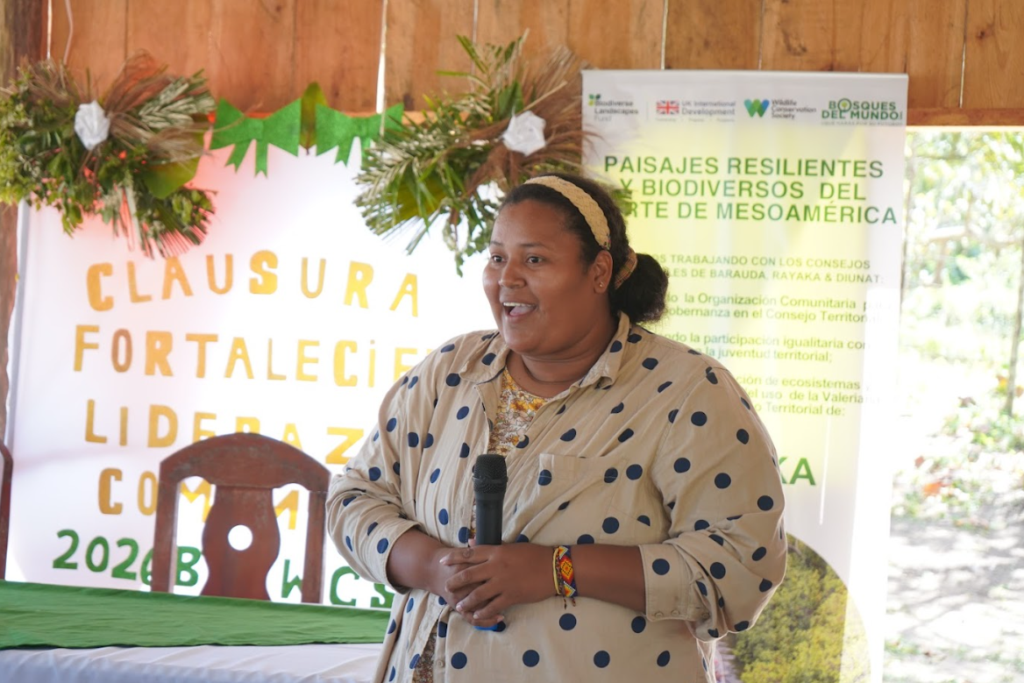
Kelinn Echeverria
Organisational Strengthening and Rights Adviser, Forests of the World.
Kelinn Echeverria accompanies processes focused on organisational strengthening, Indigenous governance and collective rights together with the Territorial Councils DIUNAT, RAYAKA and BARAUDA in La Moskitia, as well as initiatives involving local youth.
More from the forests
Ultiminio: “We are the guardians of the water”
Anders Morten Christoffersen steps down as Chair of Forests of the World
Ada: “If we protect the forest, we have a future here”