Baru. A nut with a big impact
In the heart of the Brazilian Cerrado, local families harvest the wild baru nut – one of the world’s most nutritious nuts. But the baru nut is much more than a delicacy. It holds great potential to secure income, biodiversity and sustainable land use in one of the world’s most threatened ecosystems.
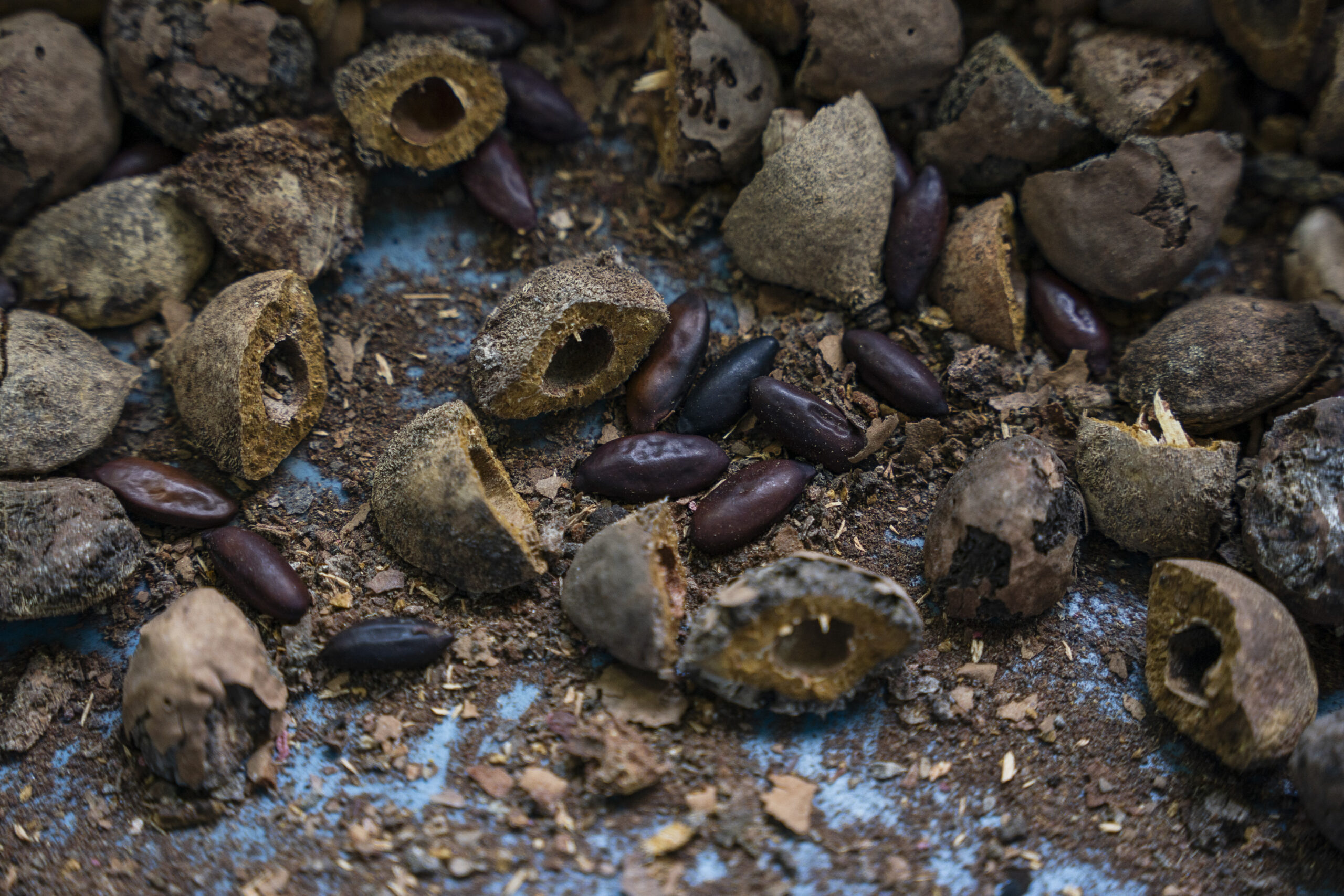
In the Brazilian Cerrado, local families harvest baru nuts (Dipteryx alata Vogel) – one of the world’s most nutritious nuts. Its nuts are not only a delicacy, but also a key to a more sustainable future. The nuts grow on the baru tree, which grows naturally in the Cerrado biome. Here, the tree plays a crucial role in preventing soil erosion and maintaining the water cycle.
At the same time, the baru nut is one of the world’s most nutritious nuts. They contain up to three times as many antioxidants as other nuts, are high in fiber, and are packed with a range of minerals and vitamins, including magnesium and vitamin E.
Since the beginning of the year, Forests of the World has been supporting efforts to expand the harvest of Baru nuts in the Cerrado region of Brazil. Because the trees grow in abundance around the Cerrado naturally, there is great potential in giving more local farmers the opportunity to harvest the nut. This could not only provide additional income for farmers, but also promote more sustainable resource management by reducing the risk of the areas being converted to monocultural agriculture.
When nature conservation becomes a market opportunity
How do you create a market for a product that hardly anyone knows about, while at the same time strengthening nature conservation and local livelihoods?
Read Ethical Trade Denmark’s business case on the partnership between Forests of the World and Nøddebazaren and their work with the baru nut in Brazil’s Cerrado. The case illustrates how developing a new European market goes hand in hand with building local value chains in Brazil.
Mini-documentary about Baru
In the heart of Brazil’s Cerrado, hope is taking root. Here, the wild baru nut grows – a delicacy, but also a key to conserving one of the world’s most threatened ecosystems.
In our new documentary series, we follow Sofie Banke, Programme Officer at Forests of the World, and Mads Lønnberg, founder of Nøddebazaren, on their journey to Brazil. There, they meet local producers and strengthen collaboration on a green value chain where biodiversity and sustainable production go hand in hand.
When local families can earn a sustainable income by harvesting baru nuts rather than selling their land for soy production and cattle ranching, the forest can remain standing.
🎥 Watch episode two.
🎥 Watch episode one.
An Overlooked Spot for Biodiversity
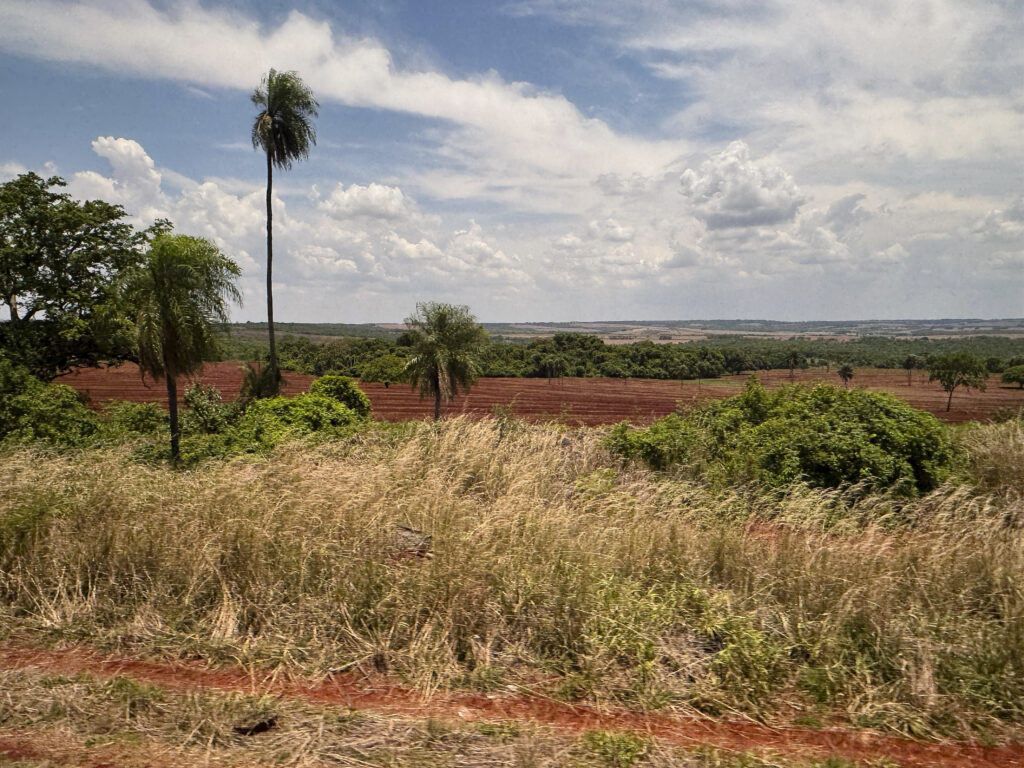
The Cerrado is a large tropical savannah that stretches southeast of the Amazon, covering about 20% of Brazil’s total area. In contrast to the lush rainforest, the Cerrado’s landscape is characterized by drought-resistant trees, shrubs and open grasslands. Despite its arid appearance, the area is one of the world’s most species-rich savannahs. The Cerrado is home to thousands of animal and plant species, almost half of which are found nowhere else on Earth.
A cooperative with roots in the Cerrado
In the Brazilian state of Mato Grosso, in the Andalucia region, the local cooperative CEPPEC operates. One of the most successful production chains in the biome, CEPPEC specializes in the collection and processing of Brazil nuts, while the cooperative has a strong focus on environmental protection and social justice.
With support from Forests of the World, the supply chain will be strengthened so that more people can benefit from the production. The goal is that the baron nuts harvested by CEPPEC will reach the Danish market in 2025 through a collaboration with the Danish nut producer Nøddebazaren. Nøddebazaren sells responsibly produced nuts and dry fruits, and their primary focus is on promoting responsible cultivation of the land by working with regenerative producers.
Meet the people behind the cooperative
Rosana Claudina Sampaio
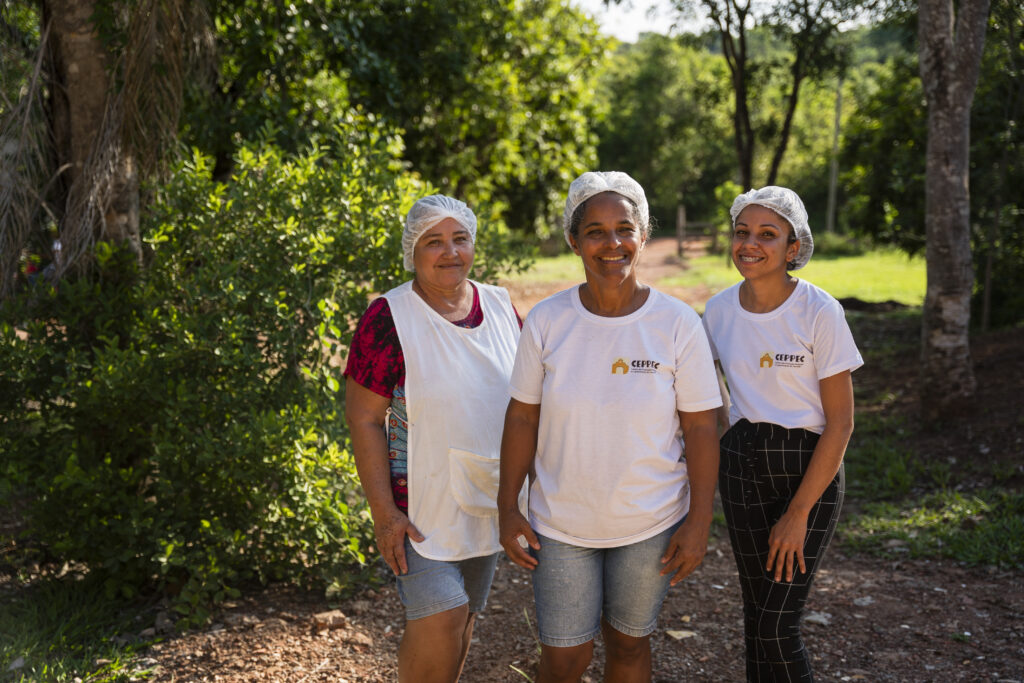
Rosana (center) lives in the community of Andalucía in central Brazil. She runs a small-scale family farm with her daughter (right) and others, where they harvest wild fruits. Rosana is president of CEPPEC and plays a key role in promoting sustainable development and local cooperation.
Cícero Marciano da Silva
Cícero lives in the community of Boa Esperança in central Brazil. He is a small-scale producer and collector of wild fruits. As part of the baru fruit cooperative, Cícero works to create local value and protect the nature and resources of the Cerrado.
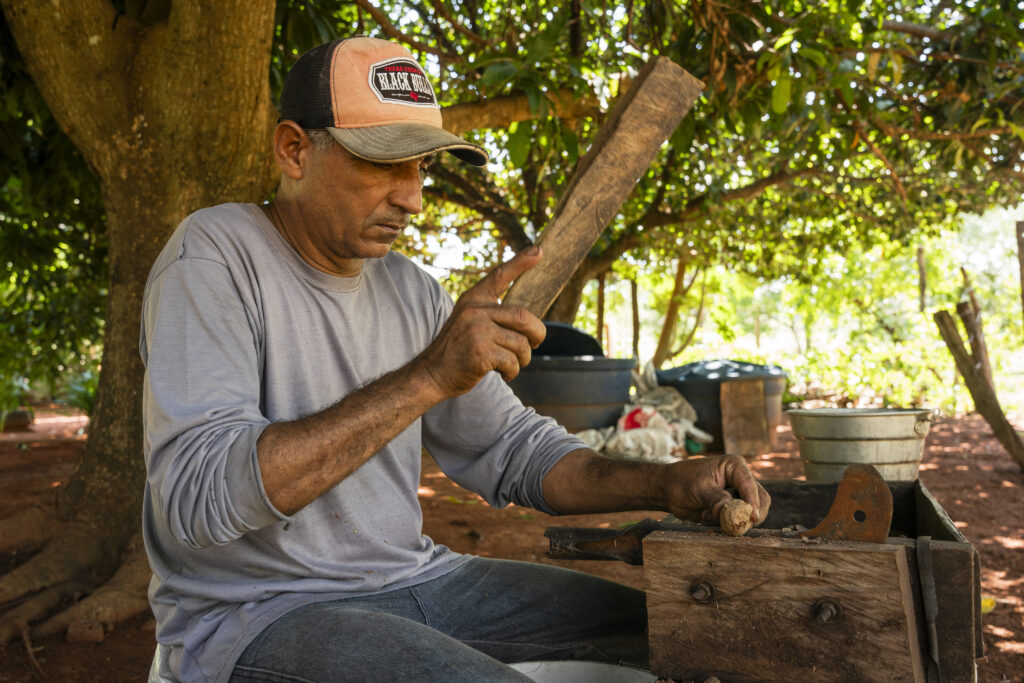
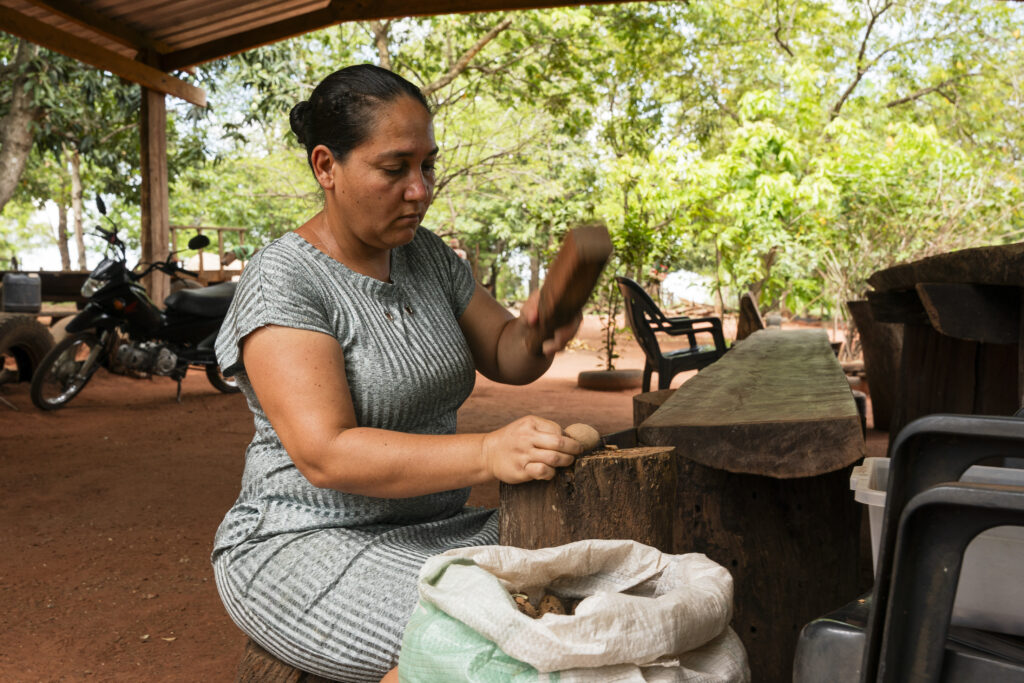
Eliane do Nascimento Sanches
Eliane lives in the community of Andalucía in Nioaque in the Cerrado region. She is a small-scale producer and is active in the local baru fruit value chain. Through her work, Eliane contributes to strengthening both the local community and the sustainable use of the Cerrado’s natural resources.
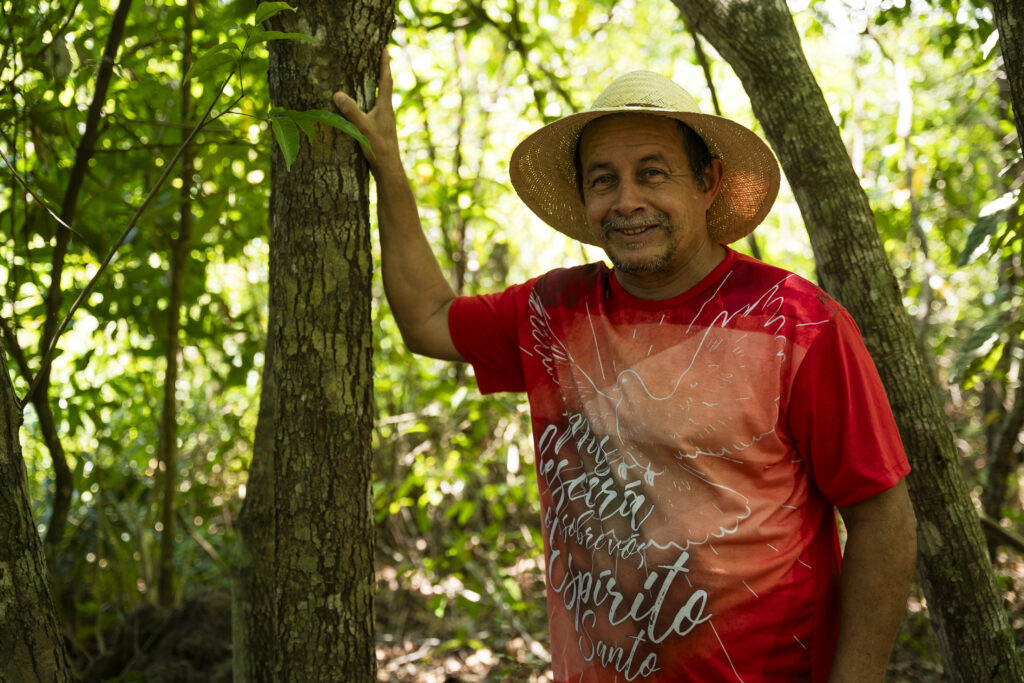
Altair de Souza
Altair lives in the community of Andalucía in Nioaque in the Cerrado region. He is a small-scale farmer, wild fruit collector and an active driving force in CEPPEC. Altair works closely with the cooperative to promote sustainable agriculture and protect the natural and cultural heritage of the area.
Forest protection, Forestry
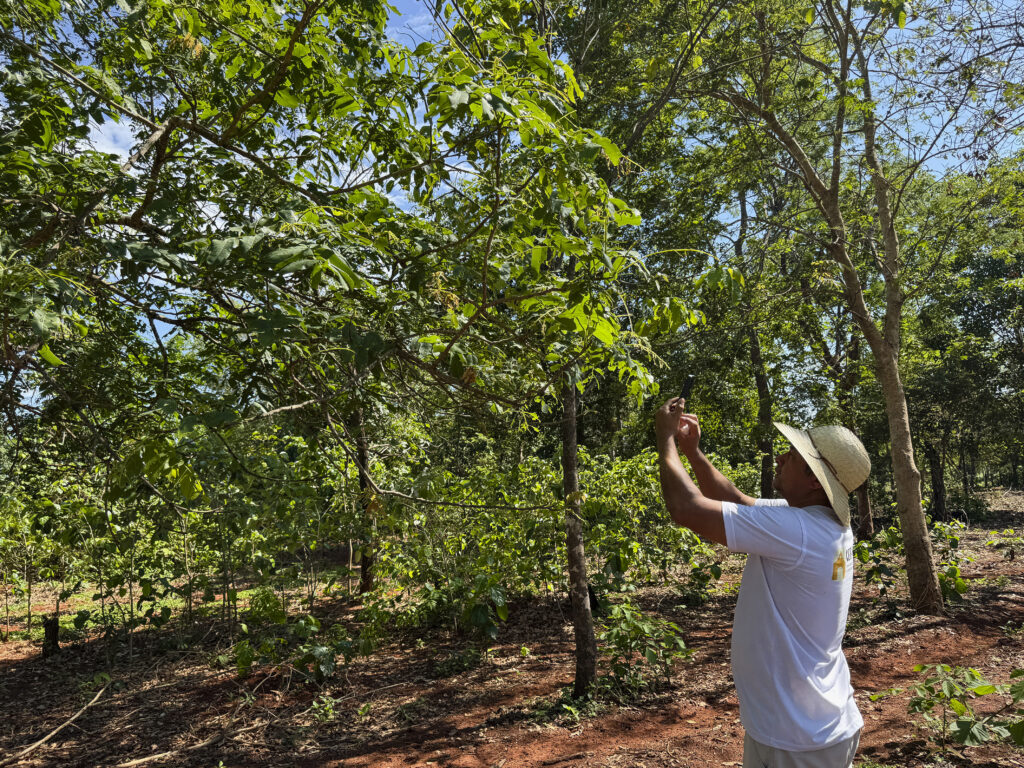
In Brazil’s Cerrado, families are building a future around wild baru nuts
In Brazil’s Cerrado, families are building a future around wild baru nuts Beneath the baru trees, Rosana Claudina Sampaio and the local association CEPPEC are working to turn a wild…
Articles
Ultiminio: “We are the guardians of the water”
Anders Morten Christoffersen steps down as Chair of Forests of the World
Ada: “If we protect the forest, we have a future here”
Who Has the Right to the Land? New Law Sparks Debate in Honduras