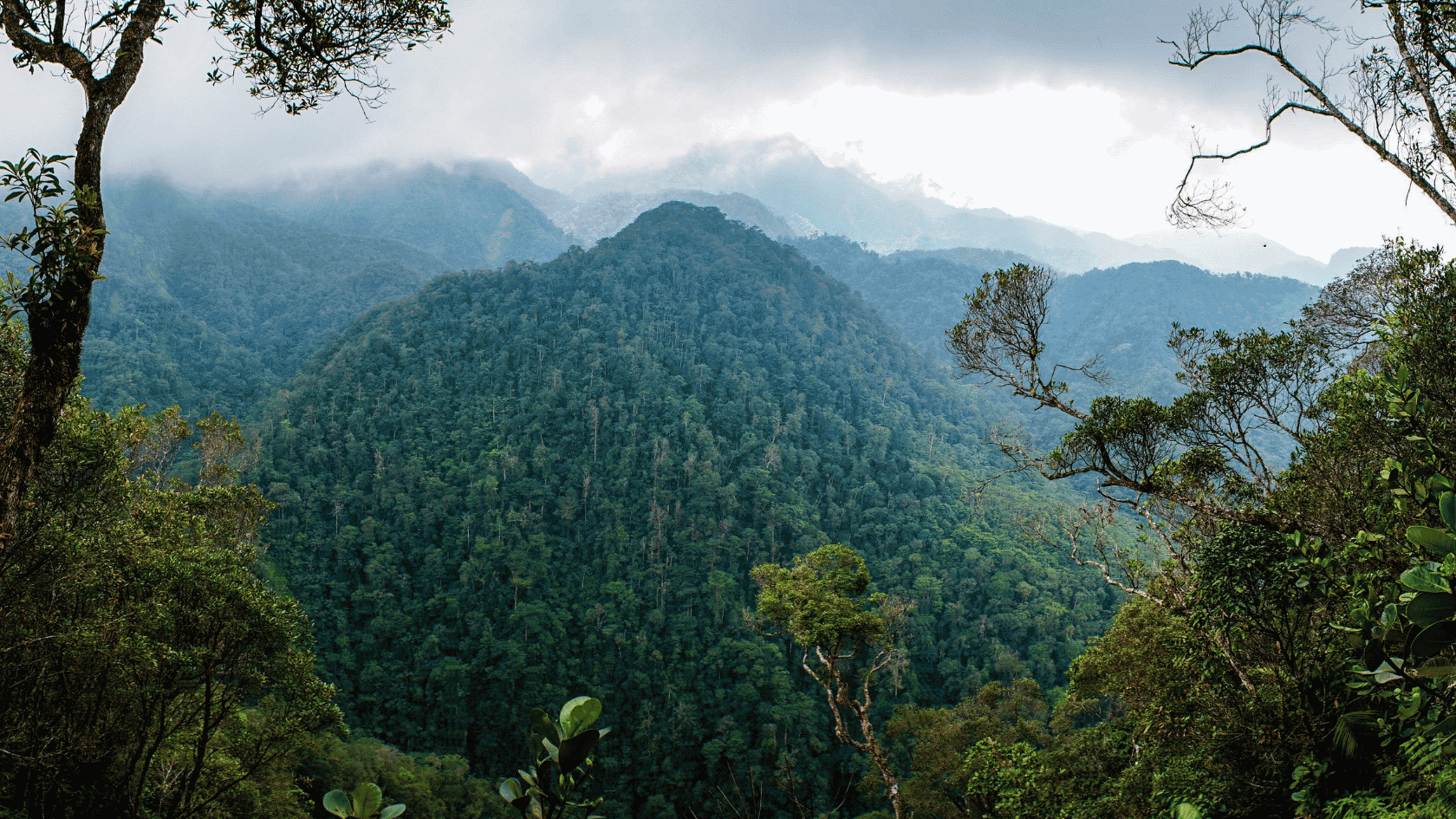
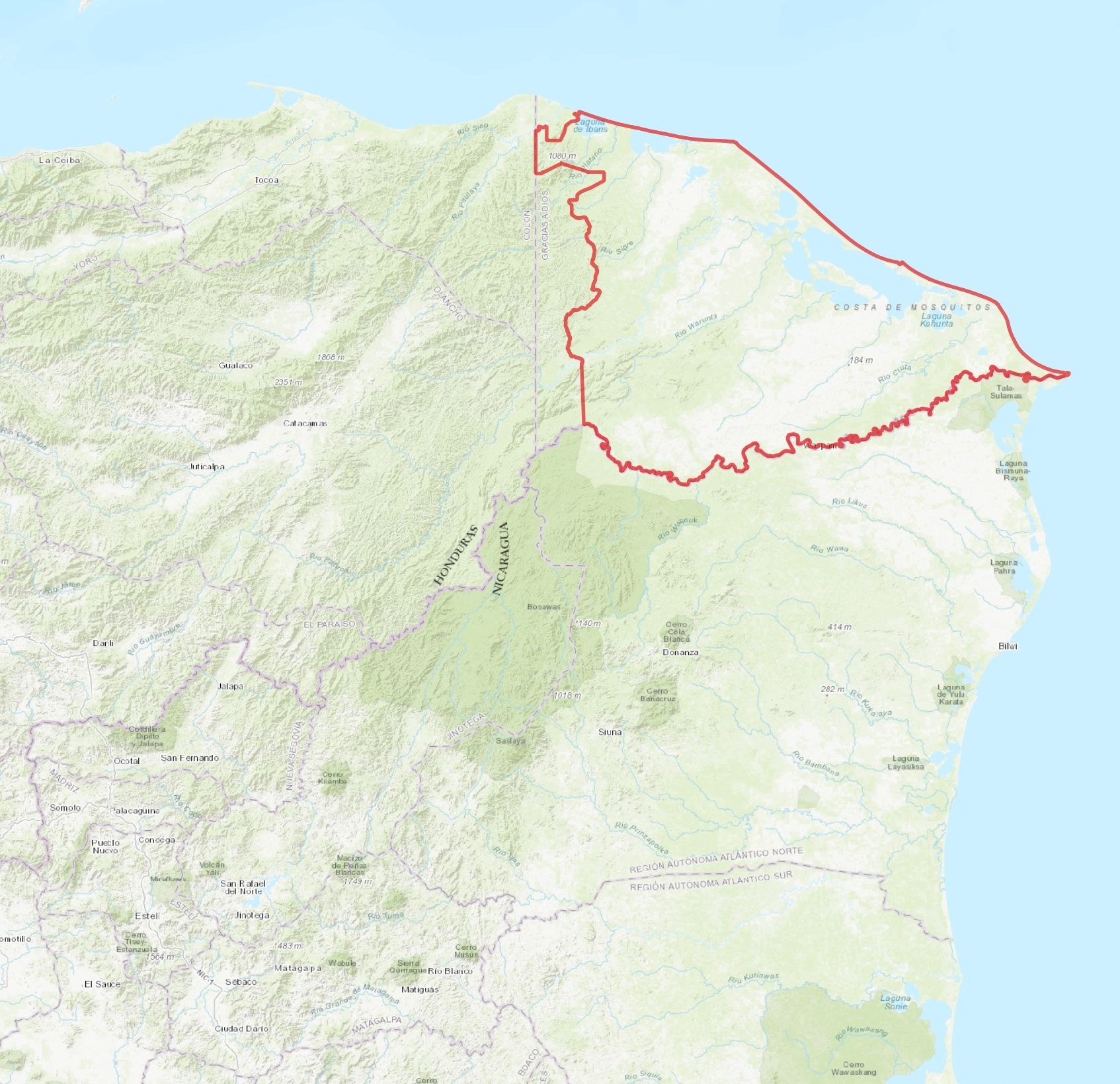
Ada is 21 years old and belongs to the Miskito People of Honduras. She comes from a local community in La Moskitia, in the north-eastern corner of the country, where tropical rainforest, rivers and lagoons meet the Caribbean coast.
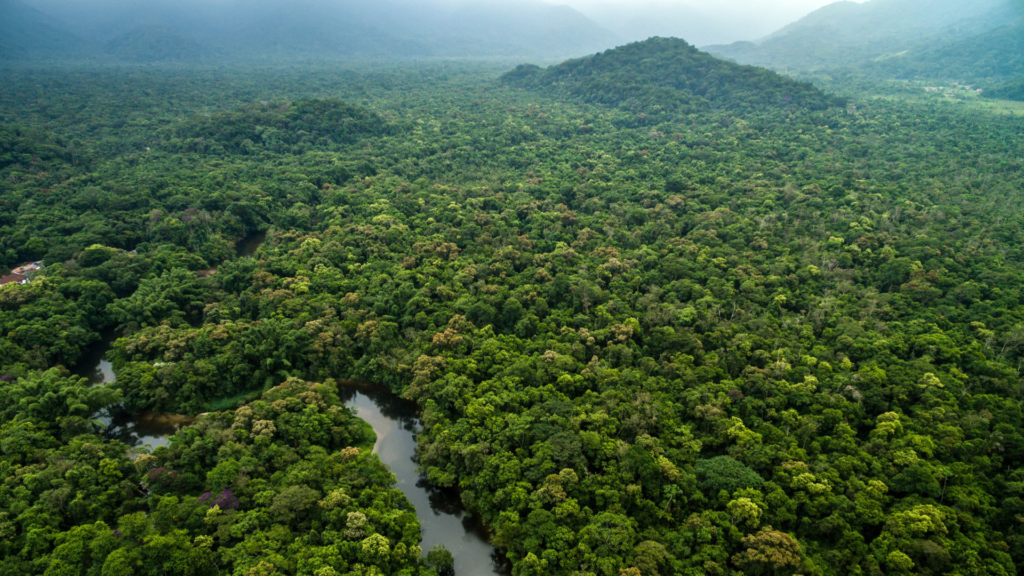
La Moskitia is one of the largest continuous natural areas in Central America. Many communities can only be reached by boat, and for families here, nature is not simply their surroundings – it is the foundation of everyday life.
For Ada, protecting the forest is about more than just trees:
“What motivates me to protect the forest is that it gives us water, wildlife and a future.”
For Ada, the forest is more than just nature. It is closely connected to the territory that her community calls home and depends on for its livelihood.
“It is important to protect the forests so that we can preserve them for our children and future generations.”
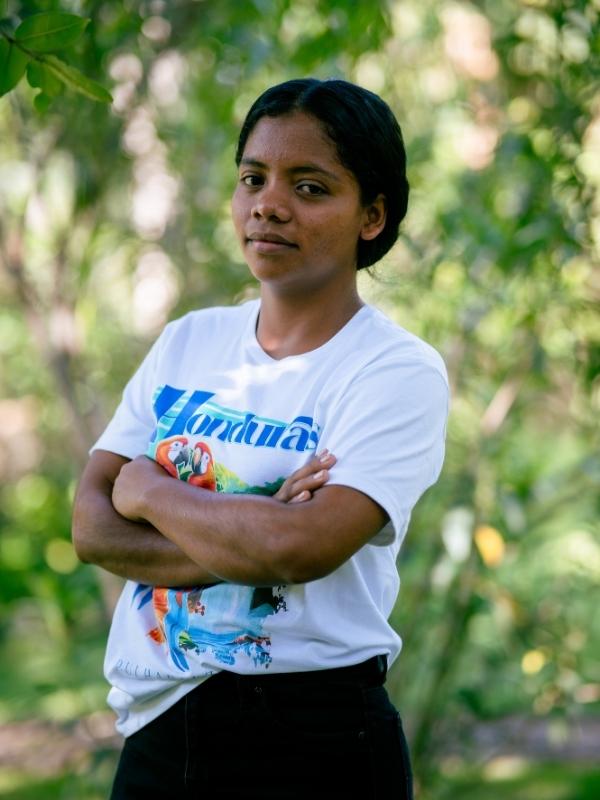
When Ada talks about the forest, she repeatedly returns to the water, the wildlife, and the generations that will come after her. Not as abstract concepts, but as things woven into everyday life.
In La Moskitia, the forest is part of everyday life:
“If we protect the forest, we have water, wildlife, fresh air and a place to call home,” says Ada.
For many families in La Moskitia, the health of the forest is closely linked to access to clean water, fishing and other resources that are essential to life in the area.
The Miskito People
The Miskito are an Indigenous People living along the coastal regions of Honduras and Nicaragua. Many Miskito communities have close ties to the forests, rivers and coastal areas that form the foundation of their culture, identity and livelihoods.
Protecting What You Depend On
The forests of Honduras are under pressure from threats including wildfires and illegal logging. These threats affect not only the trees, but also the people who live in and around the forest.
Ada is part of a local team of forest monitors who monitor the forest and help detect threats before they escalate.
“Monitoring is very important to us as a community because it enables us to continue protecting nature and everything we value in our territory.”
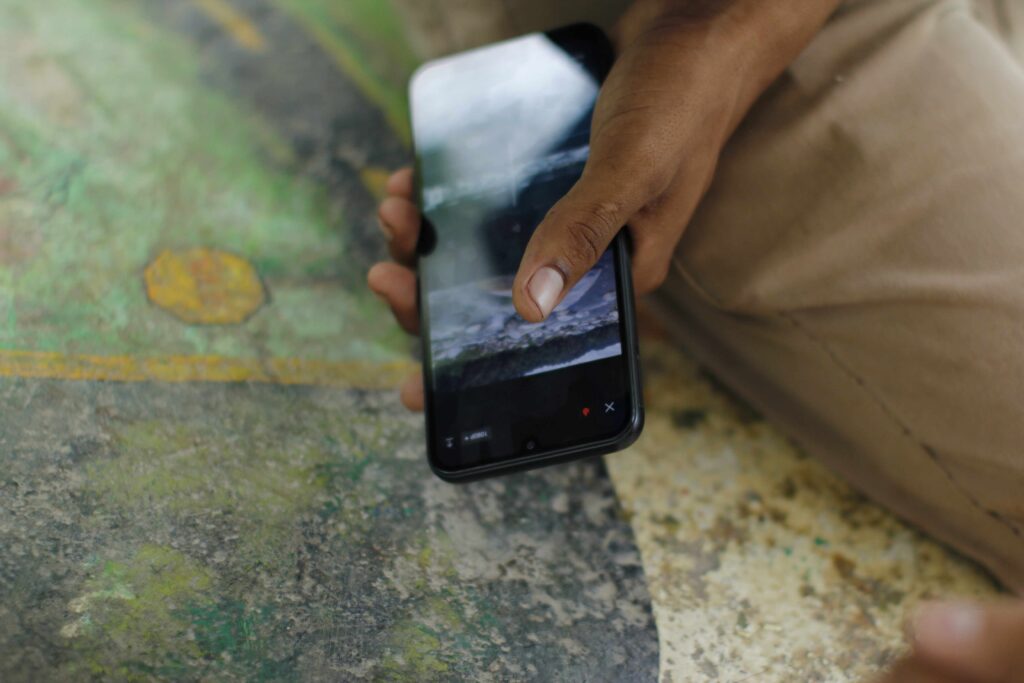
When periods of drought set in and the risk of wildfires increases, the forest monitors keep an especially close watch:
“When there is a drought, we constantly monitor the forest to make sure there are no fires or illegal logging.”
Their work draws on both local knowledge and modern technology. Using tools such as Global Forest Watch, the forest monitors receive alerts on their smartphones when satellite data detects fires or possible deforestation. But satellite data cannot tell the whole story.
“We use Global Nature Watch, which alerts us when there are fires or illegal logging. That way, we can detect it and take action in time.”
When an alert comes in, it is the forest monitors who investigate the area, document what they find and share the information with the community:
“We contact the local councils, bring people from the community together and provide them with the tools they need to fight fires and tackle illegal logging.”
When an alert comes in, the work has only just begun. Satellite data shows where something may be wrong. The rest depends on people like Ada, who work with their communities to turn information into action.
Part of Something Bigger
For Ada, forest monitoring is about more than detecting fires and illegal logging. It is about protecting the place she calls home.
Her story is also part of something bigger. Around the world, Indigenous Peoples and local communities protect some of the planet’s most biodiverse and intact forests. Research shows that areas managed by Indigenous Peoples and local communities often have lower rates of deforestation and high levels of biodiversity.
That is why forest monitoring is not just about detecting fires or documenting illegal deforestation.
It is about strengthening the people and communities who protect and manage their territories.
This is also why Forests of the World works alongside territorial organisations and local forest monitors in Honduras and other countries. When local communities have the knowledge, tools and capacity to act, both the forests and the communities’ ability to protect their territories are strengthened.
How Forests of the World Works with Forest Monitors in Honduras
Forests of the World works with Indigenous Peoples and local communities in Honduras on forest monitoring.
Through training, smartphones, satellite-based alerts and access to data, local forest monitors can detect fires and illegal logging earlier and respond before the damage becomes more severe.
When technology is combined with local knowledge and community organisation, data is turned into action and action into forest protection.
Read More Stories from the Forest
Forests of the World selected as Strategic Partner of the Danish Ministry of Foreign Affairs
The Future of Forests Is Often Decided Outside the Forest
Ultiminio: “We are the guardians of the water”