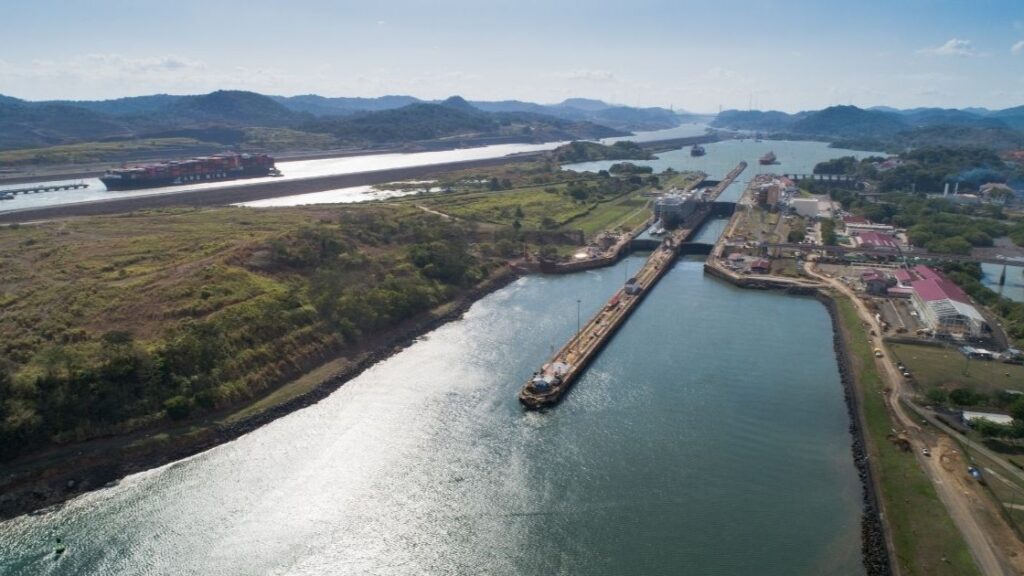
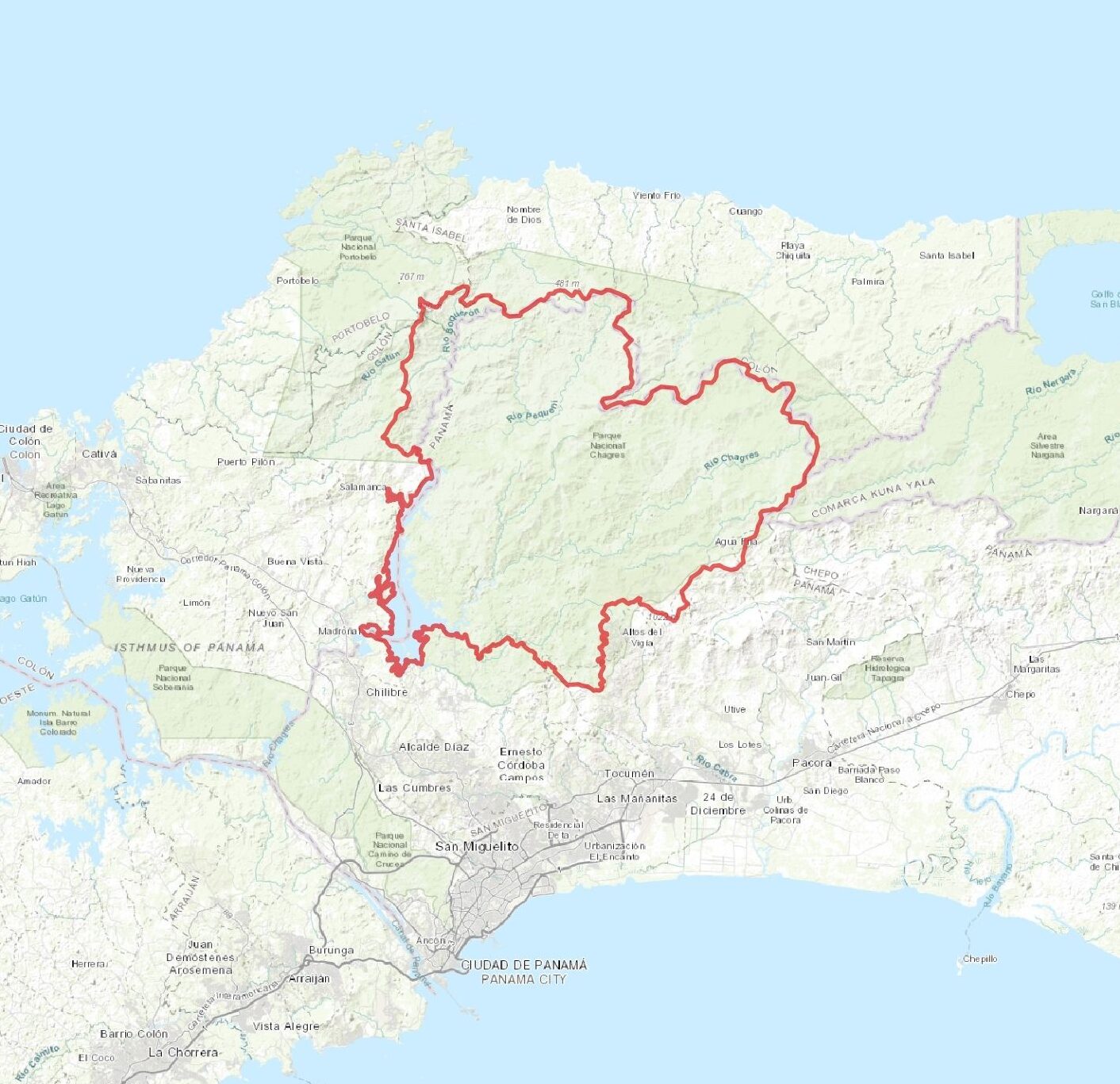
Every time a ship passes through the Panama Canal, it requires vast quantities of freshwater.
The water comes from the forests, rivers and lakes that form part of the water system supplying the Panama Canal with freshwater. The forests capture rainwater, protect waterways and help ensure there is enough water for people, agriculture and one of the world’s most important trade routes.
anama’s forests are therefore important not only for nature. They also matter to millions of people.
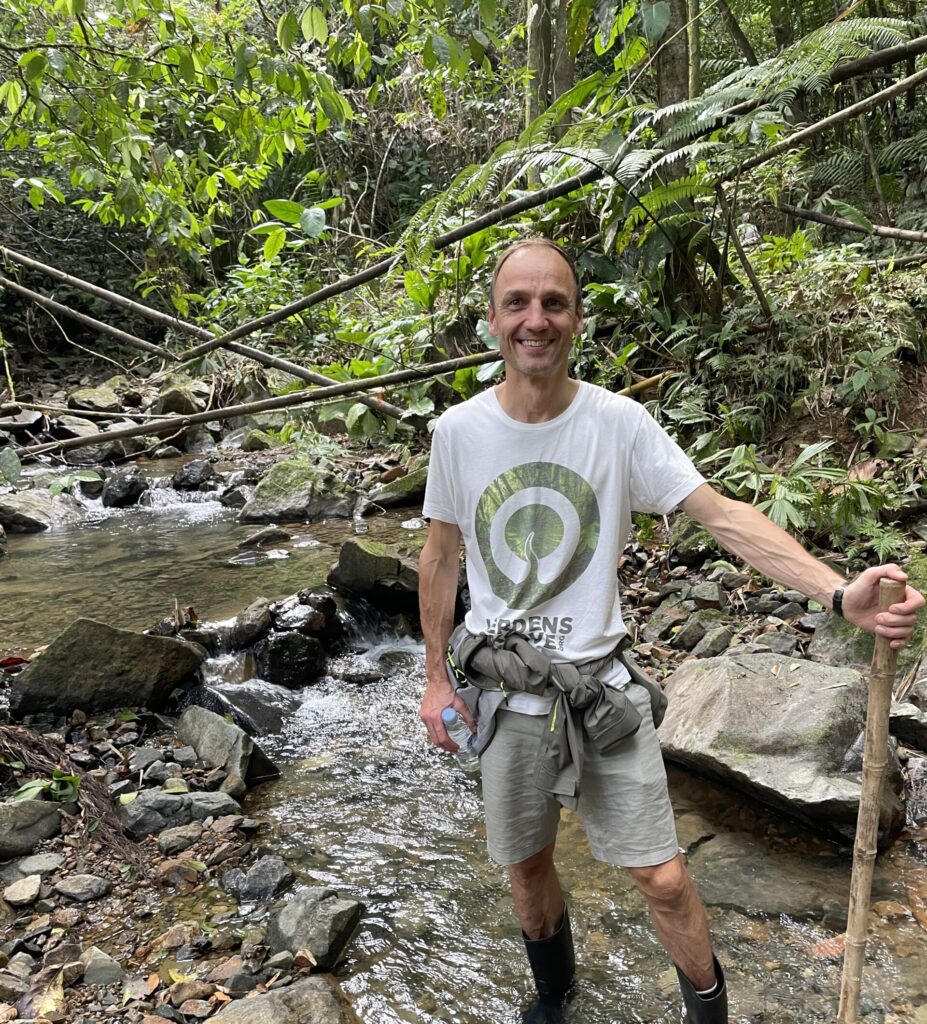
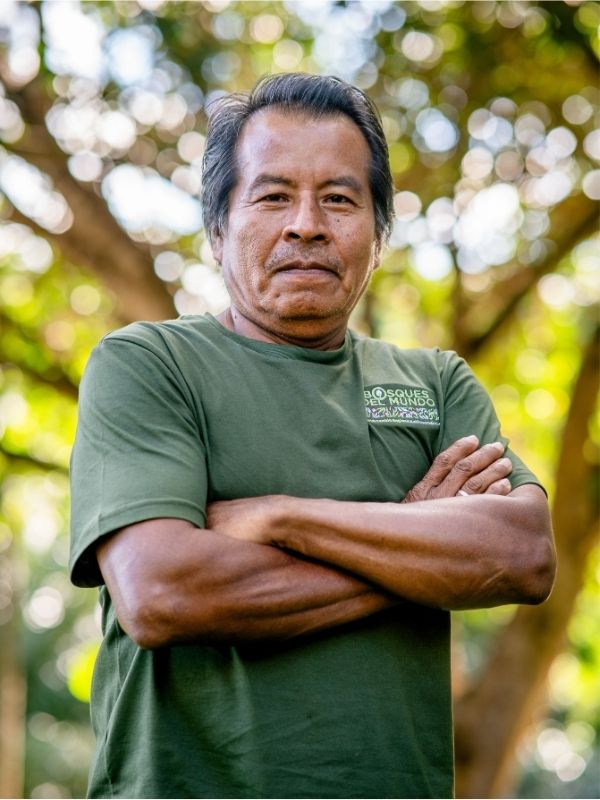
Ultiminio is from the Emberá People and lives in a territory that forms part of this water system. For him, forests and water are inseparable.
“We are the guardians of the water,” he says.
A Territory Under Pressure
For many Indigenous Peoples, territory is more than a geographical area. It encompasses forests, water, culture, history and the relationships between people and nature.
Territory is both home and a source of livelihood. It also provides the foundation for the culture, knowledge and communities that connect generations.
Today, many Indigenous territories are under pressure from outside actors and interests. This can take the form of illegal exploitation of natural resources, encroachment on territories or decisions made without the participation of local communities.
Ultiminio explains that many Indigenous Peoples are working to protect their territories and ensure that their rights are recognised.
These rights include the ability to manage their territories, preserve their cultures and participate in decisions that affect their territories and communities.
Ultiminio emphasises that protecting territories is also about ensuring recognition of the rights Indigenous Peoples already have.
“Indigenous Peoples do not claim their rights because they want conflict. They do so because these are their rights.”
For Ultiminio, defending the territory is closely connected to a responsibility towards those who will come after him:
“When you love your territory and want a future for your children and future generations, you give everything you can to protect it.”
When Communities Organise
Protecting territory does not begin with technology. It begins with people, local organisations and collective decision-making.
Ultiminio explains how communities organise to monitor their territories and respond to threats.
“We have formed a group of young people who can carry out patrols and territorial monitoring.”
Territorial monitoring involves systematically documenting changes, threats and activities within the territory so that communities are better able to protect and manage it.
For Ultiminio, this work is also about giving the next generation the opportunity to become involved in protecting the territory and to carry knowledge and responsibility forward.
The young monitors move through the territory, documenting what they observe and helping their community make informed decisions.
“They have created a team that can detect irregularities in the territory, verify them and report them to the authorities.”
When monitors document threats to the territory, the information can be used by communities in their own decision-making processes and as a basis for dialogue with the authorities.
For Ultiminio, monitoring is not an end in itself. It must enable communities to respond to threats and protect their territories.
The work is not carried out by the monitors alone, but by the organisations and communities that use the information to make decisions and respond to threats to the territory.
In this way, monitoring is not simply about data, but becomes a tool for territorial governance and protection. It can also strengthen communities’ ability to make their own decisions about their territories and support Indigenous Peoples’ right to self-determination.
Who Are the Emberá?
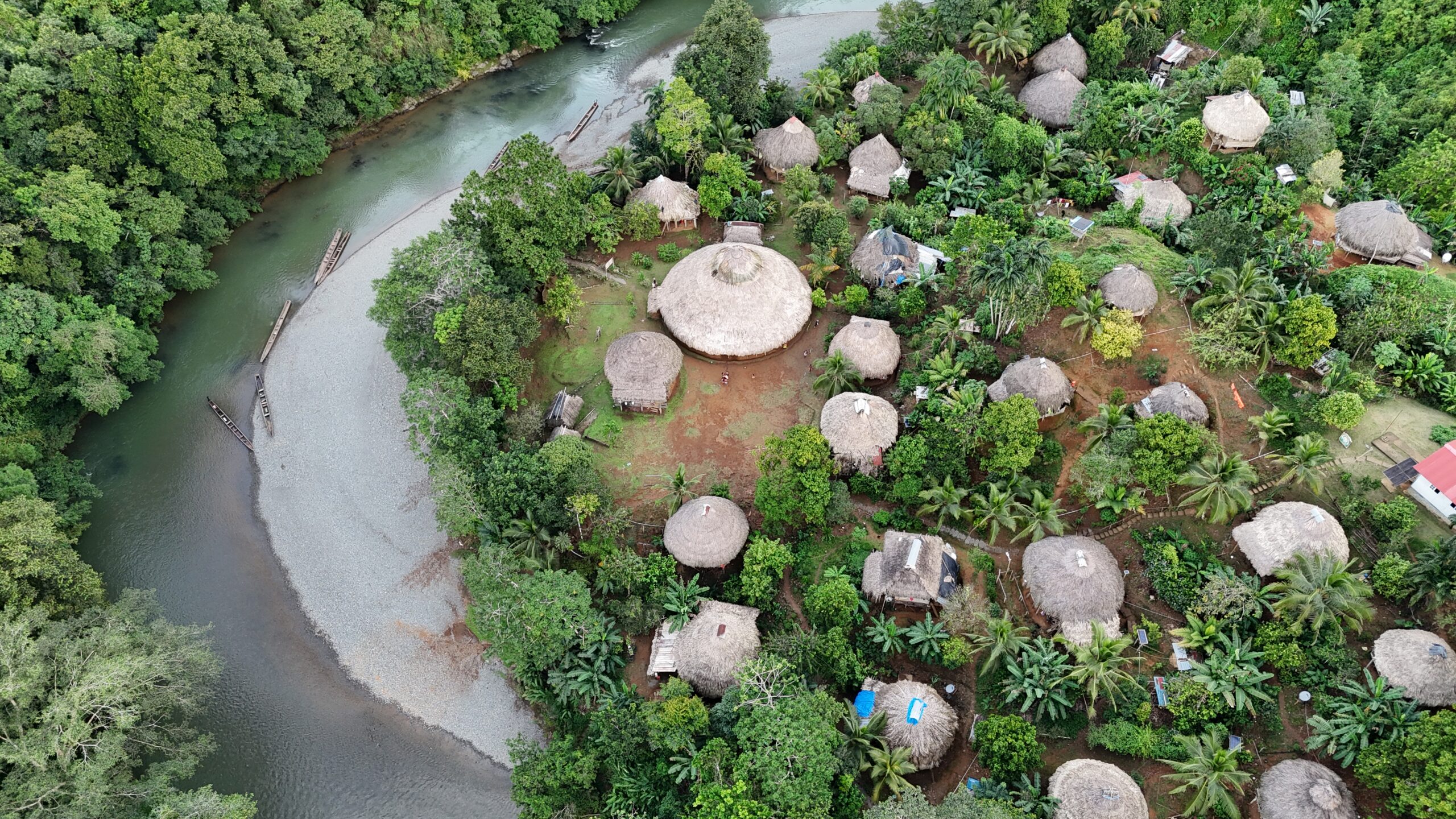
The Emberá are one of Panama’s Indigenous Peoples and also live in parts of Colombia. Many Emberá communities have close relationships with rivers, forests and the territories that form the basis of their culture, way of life and local management of natural resources.
For the Emberá People, Ẽjuä So is more than a geographical area. It is a community of people, nature, history and knowledge that connects generations. Several Emberá territories are also part of the water systems that supply the Panama Canal with freshwater.
Adequate Technology
Today, many Indigenous organisations use satellite data, GPS, mobile phones and other digital tools to detect deforestation, fires and other threats. But for Ultiminio, technology can never stand alone.
For him, it is not a question of choosing between technology and traditional knowledge. Instead, he sees technology as a tool that can strengthen the work of communities when used alongside the knowledge and values that already exist within the territory.
He emphasises that knowledge built up over generations remains essential:
“The elders hold important knowledge, and we must listen to them.”
For Ultiminio, territorial monitoring is strengthened when new tools are combined with the experience and understanding of the territory that communities have built up over generations.
It is the combination of the two that makes communities stronger.
Where There Is Forest, There Is Water
For Ultiminio, the connection between forests and water is fundamental.
“Where there is more forest, there is more water.”
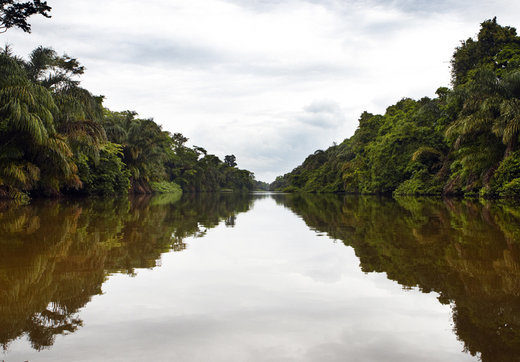
He sees this every day in his own territory. Forests protect waterways, retain moisture and help ensure that water remains available for both people and nature.
Protecting forests is therefore important not only for the people who live in these territories. Its significance extends far beyond their boundaries.
“Without water, we cannot live.”
Stronger Together
Ultiminio recently took part in a regional gathering of Indigenous leaders and monitors from Bolivia, Honduras, Nicaragua and Panama. Although the participants came from different countries, he found that they faced many of the same challenges.
“We need to build alliances. The threats facing forests do not stop at national borders. And neither does collaboration.”
During the gathering, Ultiminio saw, among other things, how Indigenous organisations in Bolivia use monitoring as part of broader efforts to strengthen territorial governance and the defence of their territories. He hopes that some of these experiences can inspire their work back home in Panama.
He therefore sees collaboration and knowledge-sharing between Indigenous Peoples as an important part of the work to protect their territories.
“To preserve the forests is to preserve life.”
When Ultiminio talks about monitoring, it is rarely just about technology.
It is about young people becoming involved in their communities. About preserving culture and knowledge, and the right to protect their territory. And about safeguarding the future for generations to come.
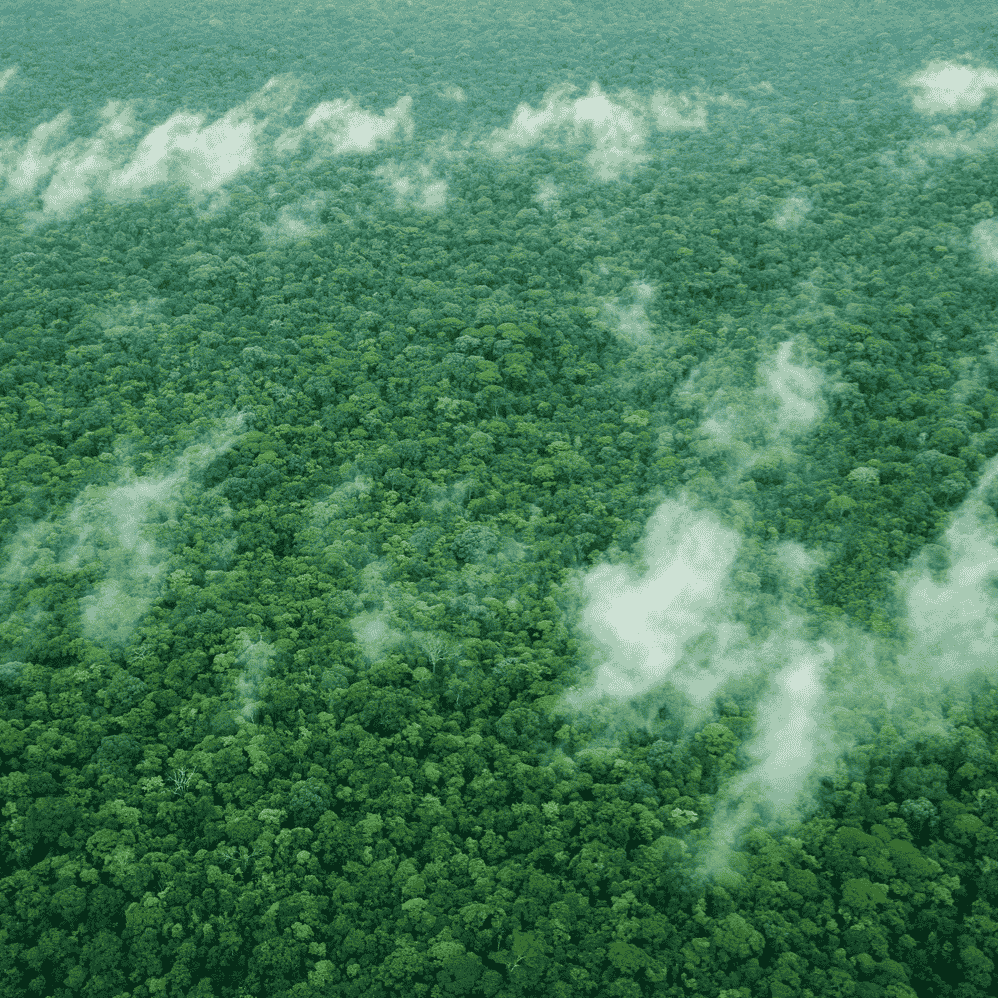
Because if the forest disappears, more than trees are lost. The water, knowledge and livelihoods that people depend on disappear with it.
Indigenous Peoples’ Rights
Indigenous Peoples have specific collective rights recognised under international law. The main international frameworks are the ILO Indigenous and Tribal Peoples Convention, 1989 (No. 169), and the United Nations Declaration on the Rights of Indigenous Peoples (UNDRIP), adopted in 2007.
These rights include:
• The right to self-determination
• The right to lands, territories and natural resources
• The right to maintain and develop their own cultures, institutions and languages
• The right to participate in decisions that affect their territories
• The right to free, prior and informed consent (FPIC) before projects or decisions are implemented in their territories
These rights are based on the principle that Indigenous Peoples themselves should be able to determine their future and manage their territories in accordance with their own priorities.
More from the forests
Forests of the World selected as Strategic Partner of the Danish Ministry of Foreign Affairs
The Future of Forests Is Often Decided Outside the Forest
Sweet Returns: How Uganda’s Vanilla Farmers Went Organic and Doubled Their Income