

Where Pressure on Forests Begins
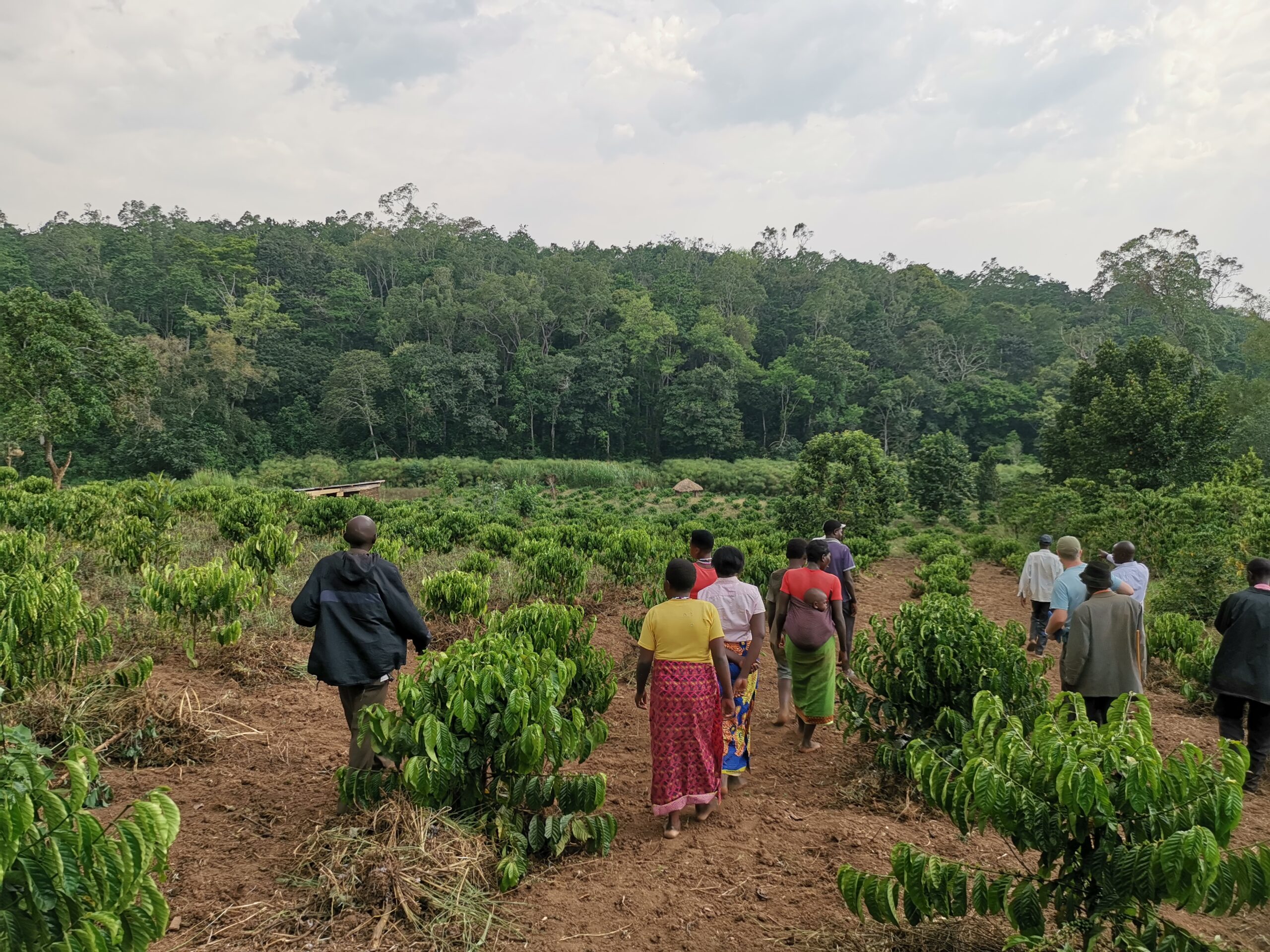
The fate of a forest is often shaped long before anyone enters the forest itself. In Uganda and Ethiopia, this happens in the landscapes surrounding forests, where insecure livelihoods, declining soil fertility and limited market opportunities leave families with few secure long-term options.
In many rural areas, this makes short-term expansion of farmland or forest resource use the easiest path.
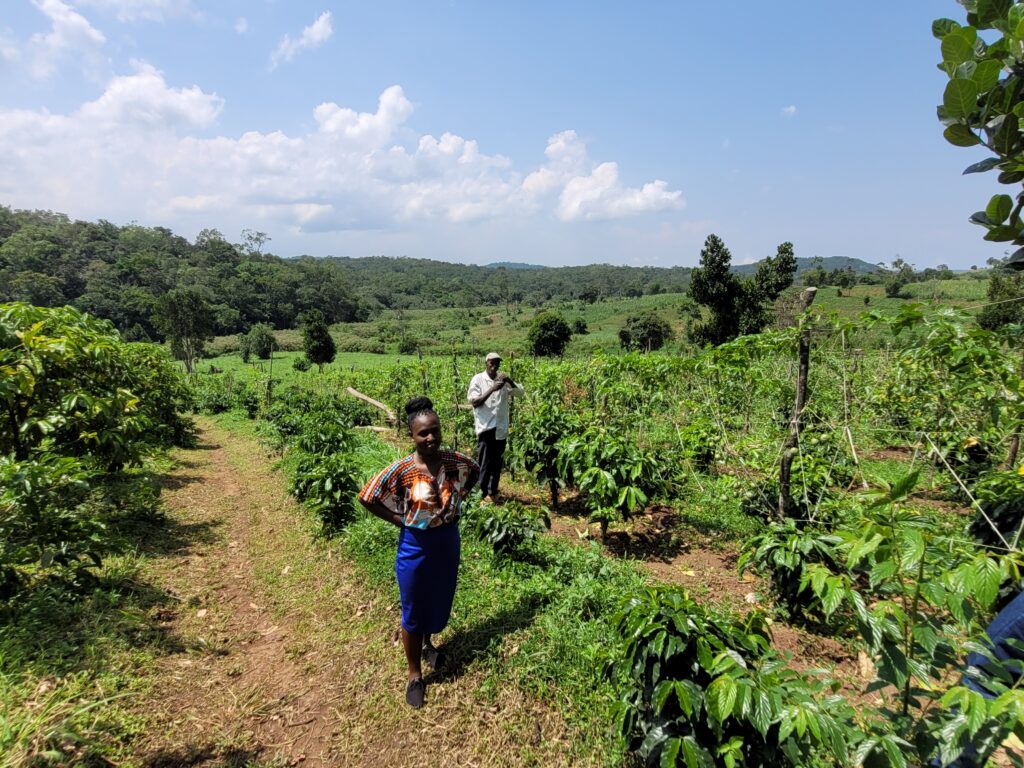
Forests of the World works with agroforestry in these landscapes, where trees, crops and long-term soil management become part of the same farming systems.
The aim is to strengthen local livelihoods while reducing dependency on forest extraction.
Building Stronger Livelihoods Around Forests
In 2025, 79.5 hectares of land in Ethiopia were brought under agroforestry with the participation of 510 smallholder farmers, including 58 women. At the same time, 5,474 kilograms of coffee reached the market, generating a combined income of USD 33,768 USD.
In Uganda, a further 31.32 hectares were brought under agroforestry in collaboration with local partner organisations. 110 farmers participated and production included 10,067 kilograms of vanilla and 7,679 kilograms of cocoa, generating a combined income of USD 97,175.
These figures point to something larger than harvest volumes alone:
Families are able to gain more from the land they already cultivate, rather than expanding into nearby forest areas or remaining dependent on unstable local markets.
As East Africa Hub Director Tofik Temam Teki emphasises, sustainable livelihoods around forests are essential if pressure on natural forest resources is to decline.
When farmers are able to generate stronger and more reliable incomes from diversified land-use systems, maintaining productivity on existing land becomes a more realistic option than expanding into forest areas.
Stronger Organisations, Fairer Markets
Much of the work in 2025 also happened beyond cultivation itself. Farmers organised into cooperatives and producer groups and received training in quality control, aggregation and collective marketing. This improved links to buyers for coffee, cocoa, and vanilla and gave farmers a stronger position when negotiating prices.
But stronger farming systems depend on more than improved cultivation practices. They also depend on farmers being able to organise, sell collectively and secure fairer prices.
Agroforestry in East Africa is therefore about more than trees. It is about building stronger local production systems, fairer value chains and more durable livelihoods in the landscapes where pressure on forests begins.
When people have better long-term options on their own land, the forests around them have a better chance of remaining standing too.
More from the forests
Forests of the World selected as Strategic Partner of the Danish Ministry of Foreign Affairs
Ultiminio: “We are the guardians of the water”
Sweet Returns: How Uganda’s Vanilla Farmers Went Organic and Doubled Their Income