Sweet Returns: How Uganda’s Vanilla Farmers Went Organic and Doubled Their Income
Deep in western Uganda’s elephant corridor, the KIFECA cooperative has achieved organic certification and a 38.7 million UGX (approximately USD 10,500) premium payout, proving that chemical-free farming can transform livelihoods and forests alike.

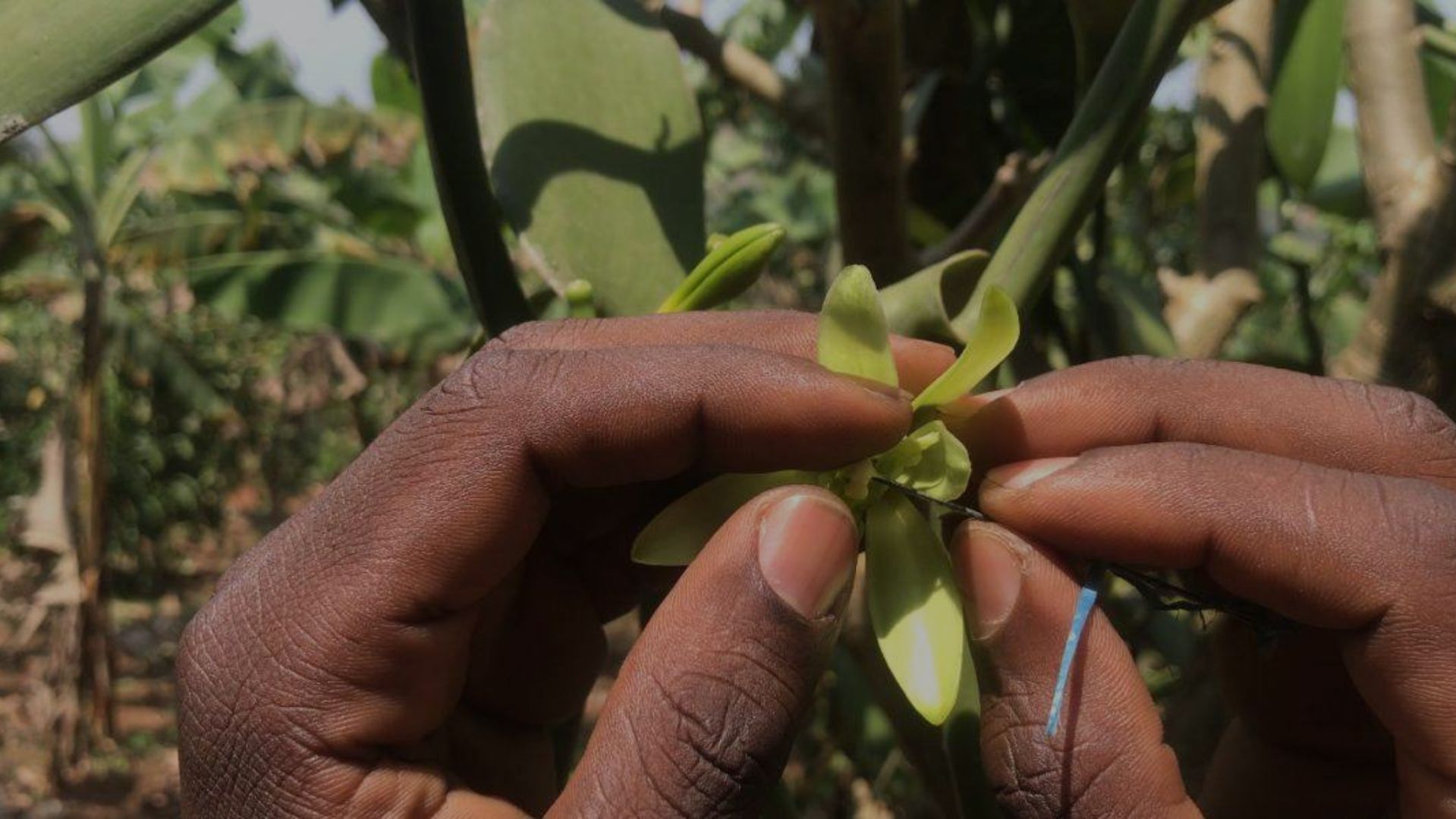
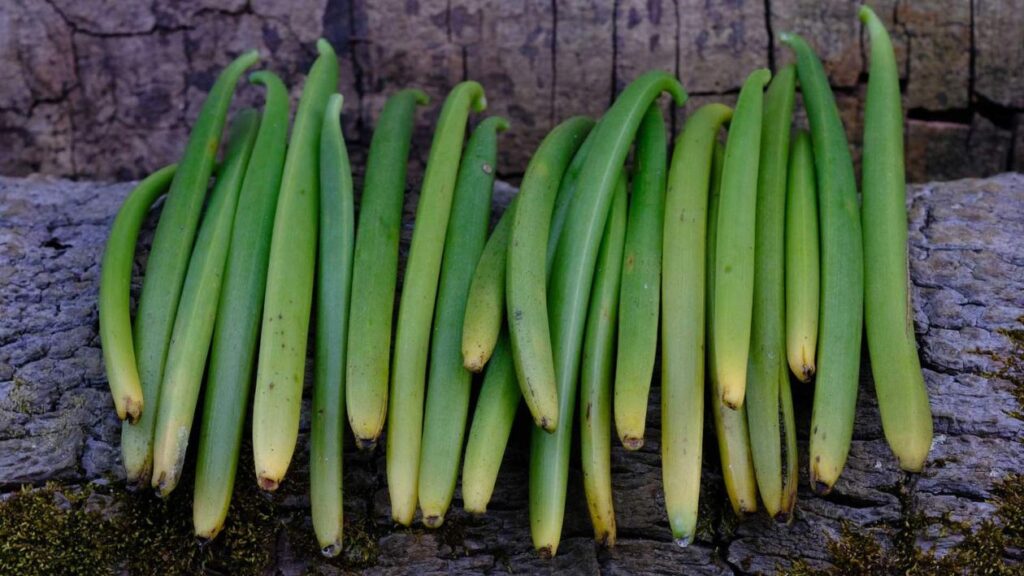
Picture a small vanilla farm in Kyenjojo district, western Uganda. Bees drift between vines. Butterflies settle on leaves. The soil beneath is dark and moist, rich with humus, smelling of life. A few years ago, this same plot was sprayed with herbicides. The pollinators had gone. The soil was pale and compact. The difference, visible, measurable, and felt, is what organic certification looks like on the ground.
This transformation belongs to the farmers of KIFECA, the Kajimi Kwara Farmers Cooperative Association, operating along one of East Africa’s most ecologically sensitive landscapes. In December 2025, after years of hard work, KIFECA achieved full organic certification for 295 farmers, audited and approved by Control Union Certifications. The reward was immediate: a premium bonus of over 38.7 million UGX (approximately USD 10,500) paid by their buyer, Social Vanilla, for the December harvest alone.
Key figures
295
Organic Farmers Certified
10,500 USD
Premium Bonus Paid by Social Vanilla
7,960 kg
Vanilla Sold Organic, 2025 harvest
2×
Organic vs. conventional price per kg
Key figures from KIFECA’s 2025 organic vanilla harvest, supported by JESE through the UGROW programme.
From Herbicides to Hives: The Road to Certification
The journey, by any measure, was not a smooth one. The KIFECA farmers had spent years using inorganic pesticides and herbicides, practices common across the region and hard to unlearn. When JESE (Joint Effort to Save the Environment), the implementing partner behind the UGROW programme, first raised the idea of organic certification, it was met with scepticism. There was no guaranteed buyer, no clear price, and no map for how to get there.
The journey wasn’t easy, because it is something that was new to most of them. We had to do a lot of engagement to get that mindset to shift from the use of inorganics to organic.
~ Sam Nyakoojo, JESE Programme Coordinator
Shifting practices meant re-thinking every element of farm life. Farmers dug contour trenches and planted buffer zones to prevent chemical contamination drifting in from neighbouring plots. Household waste was managed differently. Children were involved. So were neighbours who farmed conventionally just metres away. JESE conducted outreach to the wider community, explaining why protecting these certified plots mattered beyond the individual farm.
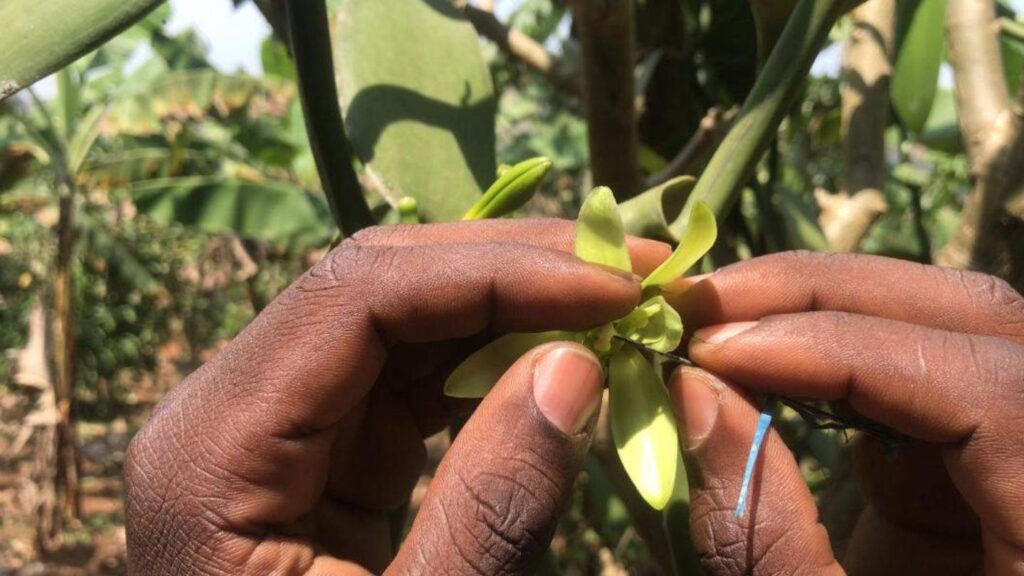
The breakthrough came through a community-based extension system. JESE, working with Control Union, trained local Trainers of Trainers (ToTs) and Community-Based Facilitators (CBFs), residents from within the farming communities themselves, using a field guide manual that set out precisely what organic farming required. These local extensionists became the connective tissue of the certification process: visiting farms regularly, identifying problems early, and keeping farmers accountable.
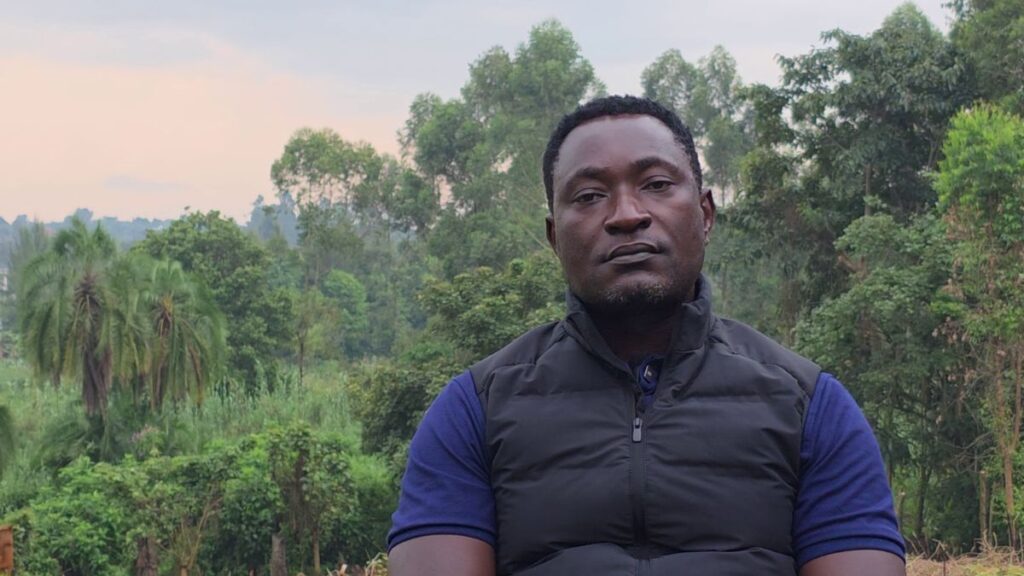
Sam Nyakoojo explains the impact: “The extension system and the manuals by Control Union were really a turning point. The work became easier: mobilising the farmers, reaching them with knowledge, training them, conducting farm visits constantly and on time. We reached the target faster than we had anticipated.”
By the close of 2025, the cooperative had 295 certified organic farmers working 145.6 hectares under cocoa-vanilla agroforestry systems, nearly double the number from the first certification cycle. Of the 136 farmers audited for renewal, only four failed to meet the standards and were placed on a three-year conversion programme. The rest held firm.
38.7 Million Reasons to Stay Organic
The numbers tell a striking story. Before certification, KIFECA farmers were selling fresh conventional vanilla for around 13,000 to 14,000 UGX (approximately USD 3.5–4) per kilogram. Organic farmers, by contrast, received around 25,000 UGX (approximately USD 7) per kilogram in 2025, inclusive of premiums and bonuses. That is roughly double the income for the same volume of produce.
Across the full 2025 harvest, both the June and December seasons, KIFECA’s organic farmers generated 193.4 million UGX (approximately USD 53,000) from their vanilla sales with Social Vanilla. The premium bonus component alone reached over 38.8 million UGX (approximately USD 10,500). Total cooperative revenue from all agroforestry products reached 360.4 million UGX (approximately USD 98,000), up from 265.8 UGX (approximately USD 72,000) the previous year.
The money has really motivated the farmers. Those already in organic are pollinating more, managing their farms better. And for those not yet enrolled, they are saying, next year, we are going to be part of this.
~ Sam Nyakoojo
The financial uplift is already reshaping daily life. Farmers are hiring workers for pollination and weeding, work they previously could not afford to delegate. They are planting more vanilla vines, investing back into their plots. The cooperative itself is using its share of the bonuses (10% is retained for operations) to keep its digital traceability systems running, pay for internet connectivity, and fund the extension visits that keep the certification scheme alive.
A formal impact study of individual farmers is planned. For now, the evidence is visible: households earning twice as much are better fed, better equipped, and more willing to invest in the long-term health of their farms. The cooperative’s Organisational Capacity score has also improved, from 1.87 in 2024 to 2.1 by the end of 2025, reflecting gains in governance, financial management, and market negotiation.
A Corridor Comes Back to Life
KIFECA’s farms sit inside the Kibaale-Itwara-Matiri Elephant Corridor, a stretch of forest connecting Kibale National Park to surrounding woodland in western Uganda. It is one of the few remaining pathways for elephants and other wildlife to move between protected areas. The health of these farms and the health of this corridor are inseparable.
Sam Nyakoojo describes the changes he sees when he walks an organic farm versus a conventional one:
In the organic farm, you see butterflies, bees, birds, in large numbers. The pollinators that left when spraying started are coming back. The soil is darker, cooler, more granular. When you enter an organic farm, you can even tell by the scent, it is cooler, moister. You see those changes before you even take a scientific measurement.
~ Sam Nyakoojo
Beyond the farms themselves, rising household incomes are easing pressure on the surrounding forest. Families with more financial security are less likely to encroach on woodland for new farmland or harvest excessive firewood. The cooperative is exploring energy-saving cook stoves, a practical intervention that could further reduce dependence on the forest. Suppressed plant species, long killed off by herbicide spray, are beginning to regenerate in areas that have gone chemical-free.
The programme also has ambitions that stretch far beyond the individual farm. KIFECA is positioning itself to access carbon markets in the near future, with its agroforestry system’s tree cover contributing to carbon sequestration and its practices aligning with both EU organic standards and the EU Deforestation Regulation (EUDR) compliance requirements. For Verdens Skove and its mission of connecting forest conservation to thriving communities, KIFECA’s story is precisely what that looks like in practice.
With agroforestry and organic farming, in the era of climate change, these cooperatives are producing products that meet environmental standards, the carbon sequestration, the reforestation requirements, the biodiversity policies, all maintained and linked.
~ Sam Nyakoojo
For international consumers, anyone who uses vanilla in baking or eats chocolate sourced from this region, Sam has a direct message: “When you buy a product and you have a traceability system to know it came from here, and you already know how KIFECA is handling it at production, harvesting, and transportation level, you feel comfortable. You eat it with one heart. It is less contaminated. It meets the child-labour-free, slavery-free, contamination-free standards. These products give more benefits to the body.”
Growing the Movement: What Comes Next
KIFECA’s organic membership has nearly doubled in two certification cycles. The target for the next phase is 500 certified farmers. The cooperative is also exploring how it might one day help declare its surrounding communities entirely inorganic-free, a long-term ambition that Sam describes as transformative at a landscape level.
718 farmers across the UGROW programme have now been profiled and geo-referenced in the cooperative’s digital traceability system, linked to AgUnity and Google Maps. This data infrastructure is not just for audits: it is the foundation for accessing increasingly demanding international markets, demonstrating EUDR compliance, and eventually qualifying for carbon finance.
Sam is clear about what makes all of this fragile: price stability. The gains of 2025 depend on fair market prices continuing. Advocacy at the international level, and the purchasing decisions of consumers and retailers who choose traceable, fairly priced vanilla, matter directly to farmers in Kyenjojo. Scaling up also requires continued funding support to extend the programme’s reach to the 3,000 smallholder households that remain the long-term target.
In the end, the story of KIFECA is not only about vanilla or certification. It is about a community that chose a harder path and is now reaping its rewards in soil, in wildlife, and in household income. Sam leaves the readers with a simple ask: “They should trust the source. They should buy and eat so that we can have more sales made and more farmers able to maintain these standards that meet both health, environmental, and human rights requirements.”
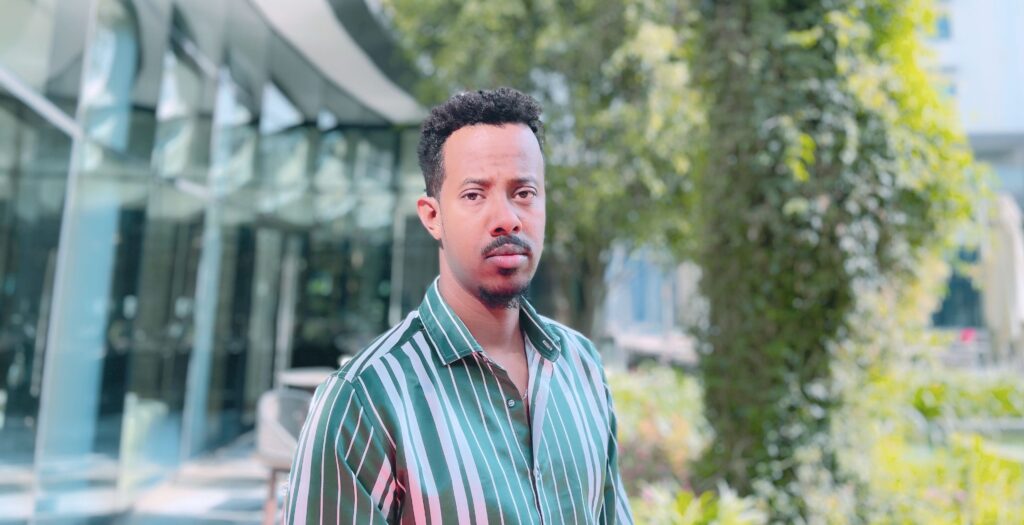
Rediet Abera Tefera
Rediet Abera Tefera is a Technical Advisor and Communications Officer at Forests of the World. With a background in digital media production and journalism, he focuses on translating complex development work into compelling narratives and supports local partners in using digital tools to expand their reach.
More from the forests
Ultiminio: “We are the guardians of the water”
Anders Morten Christoffersen steps down as Chair of Forests of the World
Ada: “If we protect the forest, we have a future here”