Who Has the Right to the Land? New Law Sparks Debate in Honduras
The Office of the United Nations High Commissioner for Human Rights in Honduras (OACNUDH) warns that a new Honduran law could have implications for local communities, Indigenous Peoples, Afro-descendant communities, and the organisations working to advance the recognition of land and territorial rights.
By Laura Flores & Karen Sophie Krag
When the National Congress of Honduras passed a new law to protect the country’s agro-industrial sector in June 2026, it was presented as a measure to strengthen legal certainty and protect investment.
However, the law has also raised concerns. The Office of the United Nations High Commissioner for Human Rights in Honduras (OACNUDH) warns that it could have implications for local communities, Indigenous Peoples, and Afro-descendant communities working to secure recognition of land and territorial rights.
Agro-industry Receives Special Protection
The Ley para el Fortalecimiento y Protección del Sector Agroindustrial de Honduras (Law for the Strengthening and Protection of the Honduran Agro-industrial Sector) declares agro-industry to be an activity of national interest, priority, and protection
The law grants special protection to land designated for agro-industrial production, as well as to investments, infrastructure, and the transport of agro-industrial products.
It also establishes that land used for agro-industrial activities, where ownership has been legally defined and registered, cannot be subject to agrarian reform processes, among other provisions.
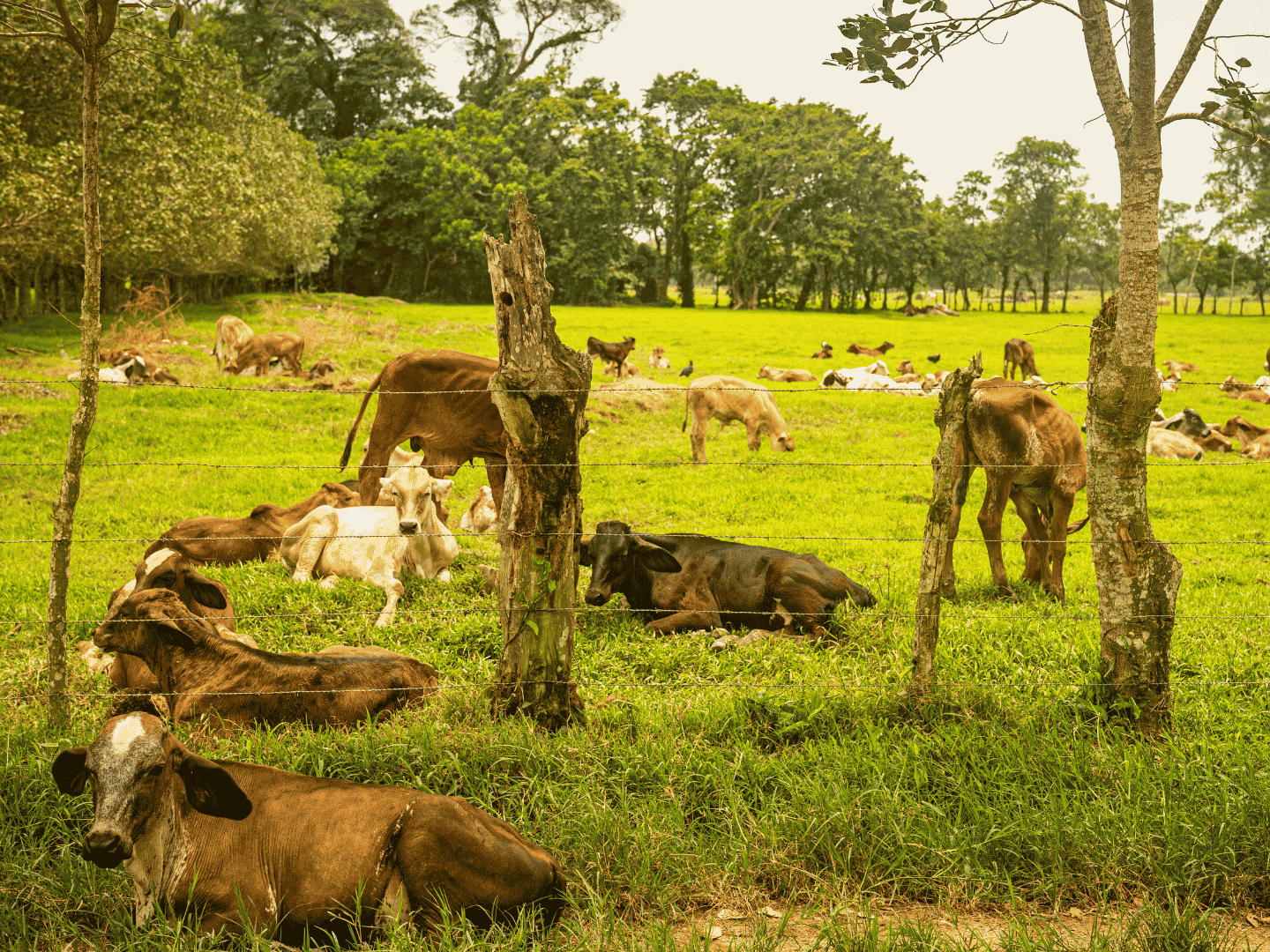
According to those who promoted the law, its purpose is to strengthen legal certainty and protect employment, investment and food production in a country where land-related conflicts have affected the agricultural sector for many years.
OACNUDH Raises Concerns
Shortly after the law was adopted, OACNUDH expressed concern about its potential consequences.
According to OACNUDH, the law could:
“…contribute to the further criminalisation of social conflicts, collective claims, protests and strikes linked to demands for the recognition of rights to land and territory.”
OACNUDH also urged the Honduran State to ensure that the legislation is compatible with international human rights standards and to prioritise dialogue in addressing land and territorial conflicts.
However, concerns extend beyond the agro-industrial sector itself. They also focus on how implementation of the law could affect conflicts related to land, infrastructure and other projects that impact Indigenous and Afro-descendant territories.
Why Is the Debate About Territories?
In Honduras, land conflicts are about far more than ownership.
They are also closely connected to territories, natural resources, and the right to self-determination.
For many local communities, Indigenous Peoples, and Afro-descendant communities, territories are closely linked to culture, identity, livelihoods and the stewardship of forests, rivers and other natural resources.
For this reason, the debate is not only about land ownership. It also raises questions about who has influence over the governance of territories and natural resources.
What Does This Mean for Territories?
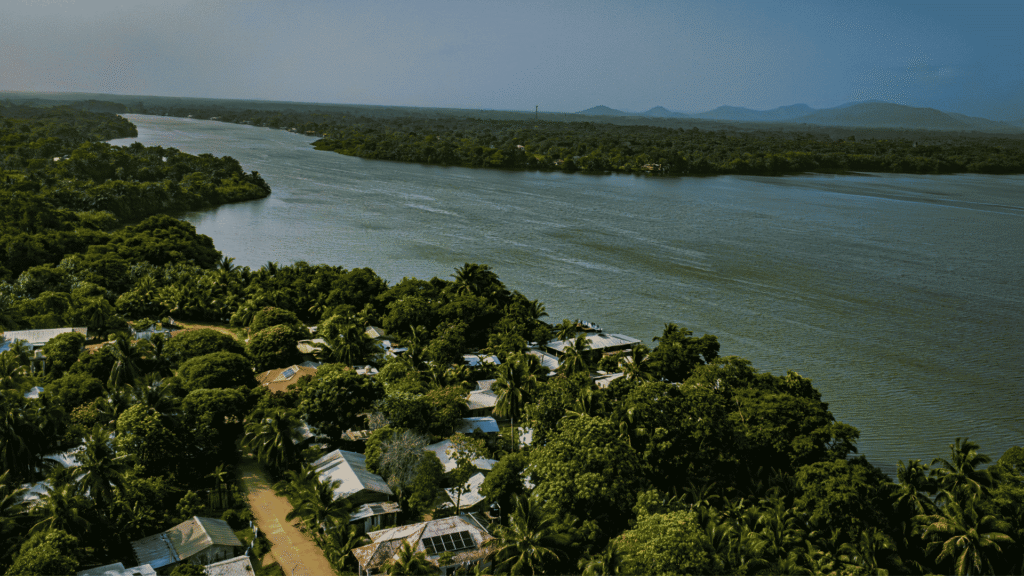
Many of Honduras’ most important forest areas lie within or alongside territories where local communities, Indigenous Peoples, and Afro-descendant communities manage natural resources and work to protect forests, rivers, and biodiversity.
Across many of these territories, land and territorial conflicts remain among the greatest challenges facing both communities and ecosystem conservation.
In territories such as La Moskitia, several organisations have expressed concern about the potential implications that implementation of the law could have for land-related conflicts and infrastructure projects.
It is still too early to know how the law will be implemented in practice. However, it has already sparked a debate about how Honduras can balance investment, the protection of natural resources, and territorial rights.
Sources
- Forests of the World’s Position Statement on the Law for the Strengthening and Protection of the Honduran Agro-industrial Sector
- New law: Ley para el Fortalecimiento y Protección del Sector Agroindustrial de Honduras
- Office of the United Nations High Commissioner for Human Rights in Honduras (OACNUDH)
- OACNUDH Recommendations on the Law for the Strengthening and Protection of the Honduran Agro-industrial Sector
More from the forests
The Future of Forests Is Often Decided Outside the Forest
Ultiminio: “We are the guardians of the water”
Sweet Returns: How Uganda’s Vanilla Farmers Went Organic and Doubled Their Income