
Deforestation in Africa: A Massive and Ongoing Challenge
Every year, Africa loses an area of forest equivalent to 80% of Denmark’s land area.
Although the rate of forest loss has slowed slightly since the 1990s, pressure on forests in Sub-Saharan Africa remains so severe that the world is still far from achieving the global goal of halting deforestation by 2030.
According to the Food and Agriculture Organization’s (FAO) Global Forest Resources Assessment 2025, the African continent lost approximately 3.45 million hectares of forest annually between 2015 and 2025. This is equivalent to a forest area the size of 80% of Denmark every single year. At the same time, the Forest Declaration Assessment 2025 identifies Sub-Saharan Africa as one of the regions where pressure on forests is most critical.
These figures tell a serious story of large-scale forest loss. However, they also point to something else: the trend can be reversed if we are willing to rethink how we value nature. As the report concludes, “the era of treating forests as a free resource must come to an end.”
The report emphasises the need for broader participation of local stakeholders and a move away from old hierarchical structures when decisions about forests are made.
What Drives Deforestation in Africa?
What is driving the continued loss of forests? Which forces are behind it, who bears responsibility, and what will it take to reverse the trend?
Forests of the World takes a closer look at the causes of deforestation in Africa, drawing on examples from Uganda and Ethiopia, as well as practical solutions discussed with Stig Jensen, Associate Professor at the Centre of African Studies, University of Copenhagen.

Stig Jensen
Stig Jensen is an Associate Professor and former Head of the Centre of African Studies at the University of Copenhagen. He holds an MSc in Political Science and a PhD in Geography from Roskilde University. He has worked as a researcher at the Centre for Development Research and the Danish Institute for International Studies (DIIS), and has extensive fieldwork experience from numerous African countries. His research focuses on environment and sustainability, education and capacity building, security and conflict, and development assistance in Africa. You can read more about Stig Jensen here.
Agriculture Is the Leading Direct Cause of Deforestation
The expansion of agriculture is currently the largest direct driver of deforestation, both globally and across Africa. According to FAO satellite data covering 2000–2018, agriculture accounts for 88% of global deforestation.
In Africa, the picture is even more striking: agricultural expansion is responsible for nearly 93% of all deforestation. Most forests are cleared to make way for cropland (77%) and, to a lesser extent, grazing land (16%).
Forests as a Resource
While agriculture is the dominant driver, the extraction of timber for fuelwood and industry continues to play an important role. FAO’s Global Forest Resources Assessment 2025 shows that the total volume of wood removed from African forests increased significantly from 506 million cubic metres in 1990 to 820 million cubic metres in 2023. This represents an annual increase of around 2%, largely tracking population growth.
As highlighted in the Forest Declaration Assessment 2025, this trend is closely linked to how forests and nature are often perceived. According to Stig Jensen, forests are frequently viewed as freely available resources.
One of the major challenges regarding forests and other natural ecosystems is that many people perceive them as free resources. If a need arises – for example for fuelwood, building materials or agricultural land – the natural ecosystem is converted into something more directly shaped by human activity.
~ Stig Jensen, MSc Political Science and PhD in Geography
He stresses the importance of avoiding broad generalisations, as both societies and ecosystems vary considerably across the continent. Nevertheless, he identifies agricultural expansion as a common trend:
Where a generalisation can be made is that there is an enormous conversion of natural landscapes into production areas, particularly agricultural land. This is a trend across Africa.”
Support Forests of the World’s work for sustainable agriculture in Africa >>
Different Types of Agriculture – Different Impacts
Although agriculture is the dominant driver, farming systems and cultivation practices vary greatly between and within countries.
Research from Uganda shows that both large-scale commercial agriculture and smallholder farming contribute to deforestation (Twongyirwe et al., 2018). In the Budongo area, large-scale sugarcane production has cleared extensive forest tracts, while rice cultivation, tobacco production and smallholder agriculture play a greater role in deforestation around Bugoma Forest.
Other direct causes include charcoal production, fuelwood collection, illegal logging of valuable timber species such as mahogany, and forest clearance for housing and infrastructure.
Stig Jensen highlights the complexity:
There is often a tendency to ask whether smallholders or large-scale agriculture are the problem, but it is rarely that simple. In some areas, large commercial investments clear vast areas, while elsewhere it is many smallholders together that place immense pressure on forests.
The Role and Livelihoods of Smallholder Farmers
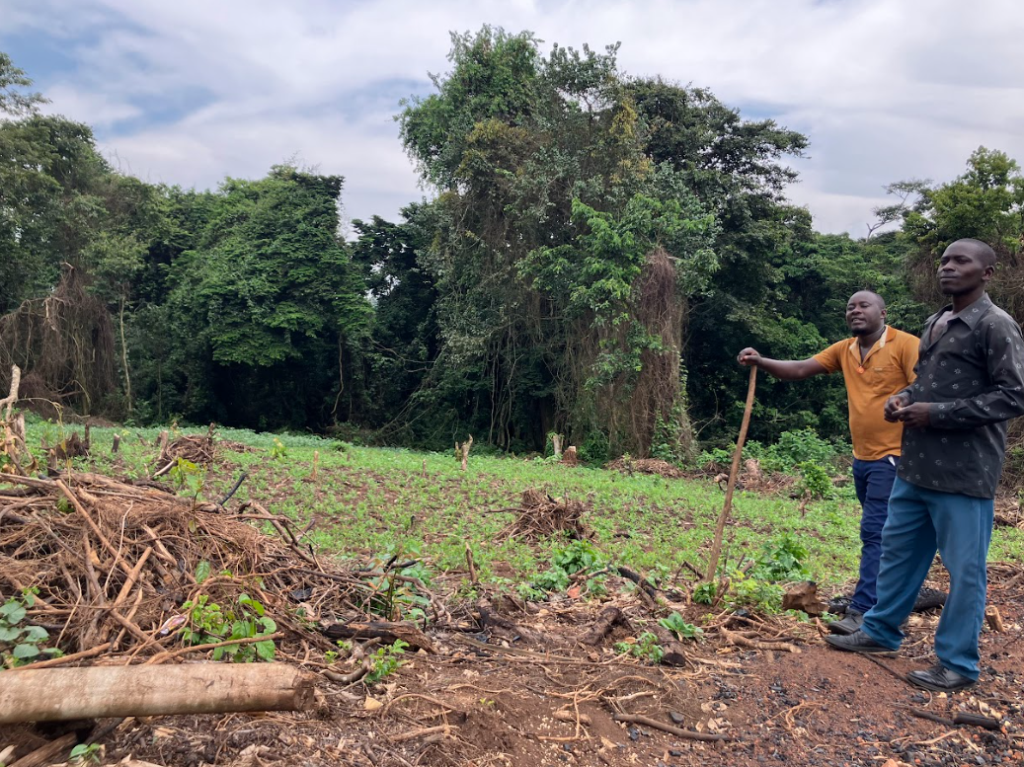
For many smallholder farmers, agriculture is first and foremost about survival. Forests are cleared to create fields for growing crops for household consumption. Often, this occurs through unsustainable practices that quickly deplete the soil, forcing cultivation to move elsewhere.
“When smallholders clear forest to farm, the soil is often not very fertile because the topsoil layer is thin. As a result, it becomes exhausted quickly and can only support cultivation for a short period before farmers have to move on. This is the practice formerly known as shifting cultivation or slash-and-burn farming, which still exists in many parts of Africa,” Stig Jensen explains.
Research from Ethiopia similarly identifies agriculture as the leading direct cause of deforestation (Zegeye, 2017). Around 85% of the population works in agriculture and forestry. However, the study also highlights overexploitation of forest resources, forest fires, the introduction of exotic species and expanding settlements as additional drivers.
Stig Jensen notes a particular challenge in Ethiopia:
“Ethiopia has relatively little forest remaining, high population density and difficult conditions for agriculture, all of which place significant pressure on nature.”
Underlying Causes: Poverty and Population Growth
To understand deforestation, it is not enough to look solely at direct human activities in forests. We must also consider the underlying drivers that encourage and enable agricultural expansion, infrastructure development and timber extraction.
According to Stig Jensen, poverty, dependence on forest resources, population growth, unsustainable policies and weak governance are among the key underlying causes of deforestation in Africa today. This understanding is supported by extensive research (Geist & Lambin, 2002).
Poverty remains widespread and places considerable pressure on forests.
“Whether we like it or not, there are more and more people and more and more poor people. There is a genuine development need, and converting forest into agricultural land makes perfect sense for many people. They are not doing it because they want to harm nature, but because they need to feed themselves.”
According to the World Bank’s Poverty, Prosperity, and Planet Report 2024 one in three people in Sub-Saharan Africa is still projected to live in extreme poverty by 2030, surviving on less than US$2.15 per day.
This is closely linked to Africa’s rapid population growth.
“Rapid population growth creates enormous pressure on agricultural land. More people mean greater demand for food and resources.”
Support solutions that provide smallholder farmers with alternatives to deforestation >>
Political Factors and Forest Governance
Political factors also play a central role. Research from Uganda shows that unclear land tenure and property rights contribute significantly to deforestation (Twongyirwe et al., 2018).
Enforcement of forest protection regulations is often weak, underfunded and poorly coordinated, creating opportunities for illegal loggers.
According to Stig Jensen:
“The state formally owns most land in many African countries, but rarely controls it effectively. Management therefore often takes place locally through customary institutions and traditions.”
Research has also shown that government policies allocating forest land to foreign investors for plantation agriculture contribute significantly to forest loss (Weiswa et al. 2015).
Jensen points to the cultivation of export-oriented cash crops such as cocoa, coffee, tea and cotton as a major challenge.
“Many of the large cash-crop areas we see today date back to the colonial period, and some have expanded considerably. Production is linked to global markets and increasingly driven by international companies.”
He argues that moving away from monoculture cash-crop production and towards food production and diversified farming systems can strengthen resilience for both agriculture and forests.
“This is why it is important to move away from reliance on single cash-crop production and invest in food crops and diversified farming systems to strengthen resilience – both for agriculture and for forests.”
Support sustainable agricultural solutions in Africa >>
Changing Relationships with Nature
How people perceive nature strongly influences how they interact with it.
Traditionally, many Indigenous and local communities have viewed humans as part of nature rather than separate from it. Increasingly, however, nature is being viewed primarily as a resource for human use.
Stig Jensen notes that urbanisation and modern lifestyles can weaken traditional forest stewardship, while growing interest in nature among the middle and upper classes may strengthen conservation efforts.
“Urbanisation has created greater distance from forests because more people no longer produce their own food but purchase it in supermarkets”.
At the same time:
“The middle class and economic elite are increasingly seeking nature experiences, which can strengthen support for forest protection.”
No Single Solution – But Locally Driven Answers
What will it take to stop deforestation in Africa?
According to Stig Jensen, there is no single solution. Effective action requires a combination of scientific knowledge, practical interventions and collaboration across sectors and scales.
Above all, durable solutions must be locally rooted:
“Locally driven solutions have a far greater chance of succeeding in the long term. When local people themselves take ownership of an idea and involve their communities, the likelihood of lasting impact increases significantly.”
Several studies highlight the importance of involving different groups in decision-making processes. Research from Uganda, Kenya, Bolivia and Mexico, among others, demonstrates the benefits of involving both women and men in forest management (Mwangi et al., 2011). The study found that men often contribute technical knowledge and physical capacity, while women in the selected forest management initiatives frequently strengthen conflict resolution and monitoring through their day-to-day interaction with the forest. Stig Jensen emphasises the importance of broad participation:
“It is important to involve all relevant groups – young people, women, men, influential actors and marginalised groups alike.”
The Role of NGOs in Forest Protection
Beyond local ownership, Stig Jensen highlights the important role of non-governmental organisations such as Forests of the World:
“The strength of NGOs lies in local, people-to-people cooperation. They can build trust, work closely with local institutions and help ensure that resources are managed responsibly..”
Stig Jensen stresses that successful NGO projects require long-term thinking and clear exit strategies so that local communities can eventually continue independently.
““When supporting a project, it is important to have a clear exit strategy from the beginning, so that support is only provided for a limited period, perhaps a few seasons. When that support ends, the local community should be able to carry on independently. Success only becomes evident when the project is able to stand on its own.”
Forests of the World’s Work in Africa
Forests of the World works to protect forests in Uganda and Ethiopia by strengthening local communities through sustainable livelihoods built on mutual trust.
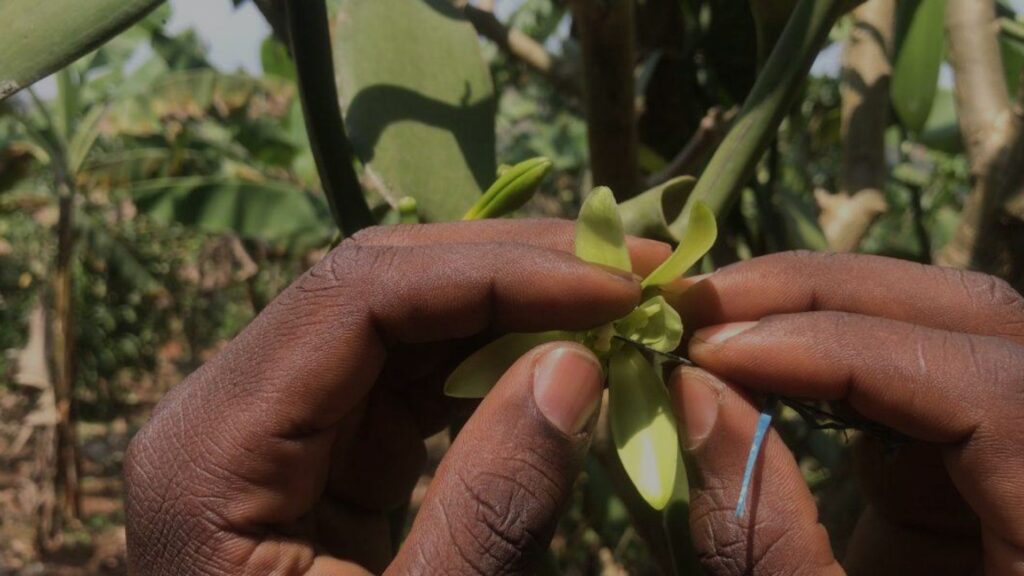
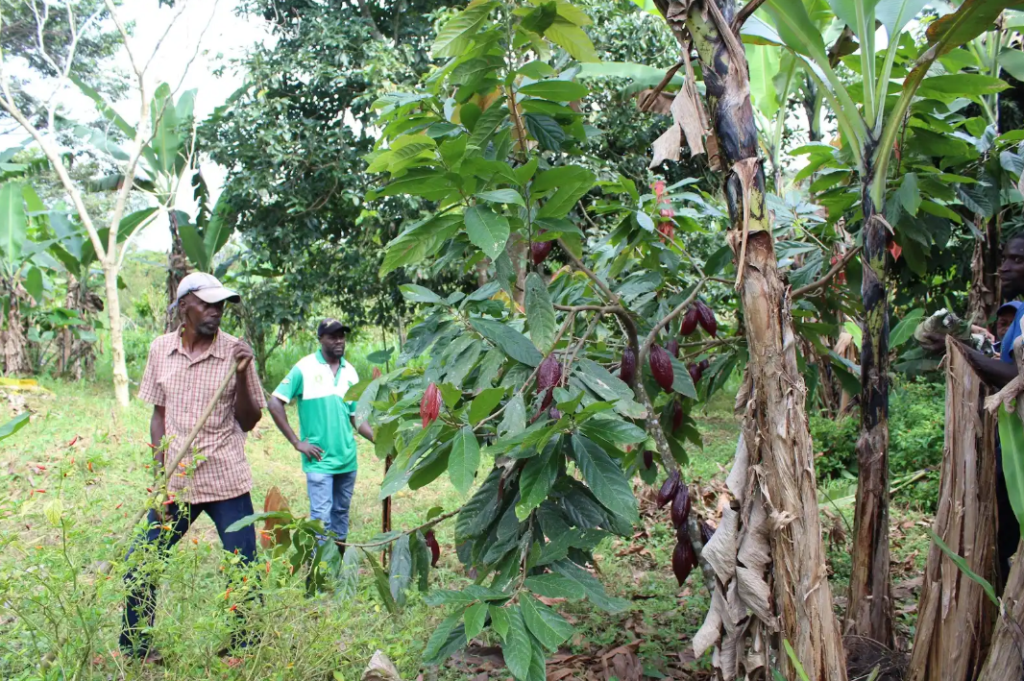
A key approach is agroforestry using native tree species. Agroforestry improves soil quality, increases biodiversity and creates additional income sources for local people. As a result, farmers can maintain productivity without clearing new forest areas.
As Stig Jensen notes:
Agroforestry does not replace natural forests, but it provides many valuable ecosystem services, including shade, fruit, bark, honey and materials for fuel and construction, helping to reduce pressure on natural forests.
Kilder
FAO (2025): Global Forest Resources Assessment 2025
Forest Declaration Assessment (2025)
Verdensbanken (2024): Poverty, Prosperity, and Planet Report
Twongyirwe et al. (2018), Skovrydning i Uganda
Weiswa et al. (2015), Skovpolitik i Uganda
Zegeye (2017), Skovrydning i Etiopien
Mwangi et al. (2011), Køn og skovforvaltning
Geist & Lambin, Drivkræfter bag skovrydning
Uganda
Initiatives in Uganda
In Uganda, Forests of the World supports locally led forest protection and monitoring through partnerships with Joint Effort to Save the Environment (JESE) and Solidarity Uganda. Local communities in Muhangi are supported in conducting forest patrols and documenting illegal logging. Reforestation efforts are helping reconnect fragmented forest landscapes between Itwara and Matiri Central Forest Reserves and Kibale National Park. Smallholder farmers receive training and support to develop sustainable businesses, and educational programmes on sustainable forest management have been developed in partnership with JESE.
Ethiopien
Initiatives in Ethiopia
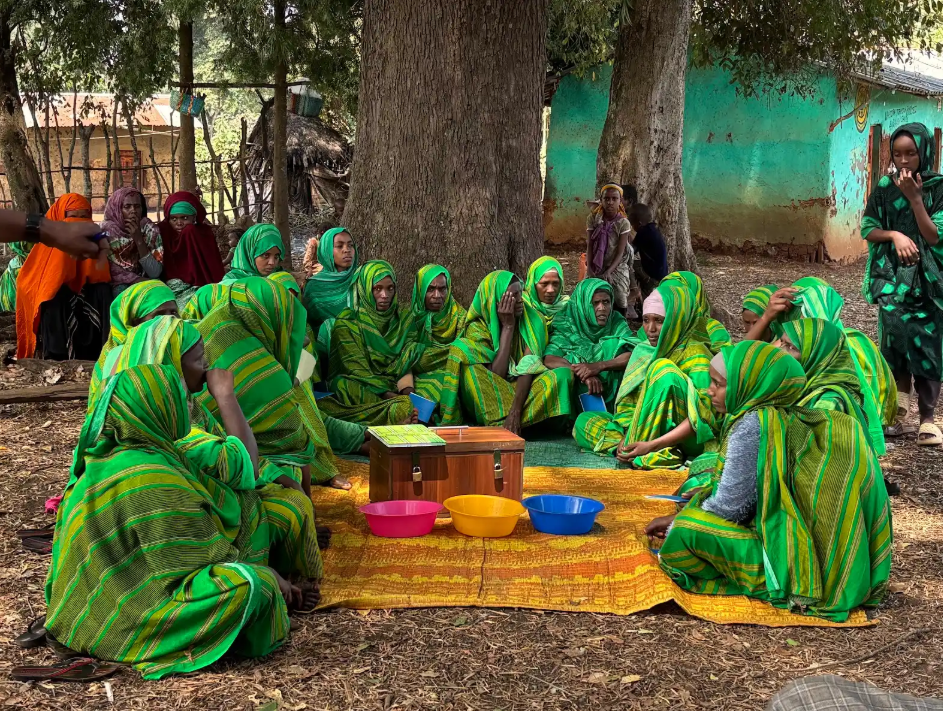
In Ethiopia, Forests of the World collaborates with NABU Ethiopia and Farm Africa to provide practical agroforestry training, strengthen farmer cooperatives, improve coffee quality and yields, and support women’s savings and loan groups. Women’s active participation in forest governance around the Bale Mountains is a central part of this work.
In addition, Forests of the World has launched an innovative forest monitoring initiativet in southern Ethiopia that combines local knowledge with digital tools. Local management groups, particularly young people, are trained in digital monitoring technologies to improve forest protection. The organisation has also supported the introduction of FSC-certificering in Ethiopia, helping ensure that forests are managed in a more sustainable and responsible manner.
More from the forests
Forests of the World selected as Strategic Partner of the Danish Ministry of Foreign Affairs
The Future of Forests Is Often Decided Outside the Forest
Ultiminio: “We are the guardians of the water”